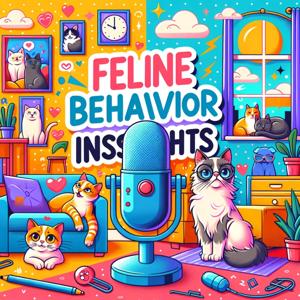
Feline Behavior Insights

Feline Behavior Insights

By Inception Point AIKids & FamilyPets & Animals
Download on the App Store

Feline Behavior Insights episodes

  • Decoding Your Cat's Quirky Behaviors: From Chattering to Kneading and What It All Means
    Ever wondered why your cat chatters at birds through the window or kneads your lap like dough? These quirky habits reveal the wild instincts lurking in your domestic feline. Veterinary experts from GM Tracking note that nearly 40 percent of cats face behavioral issues, often tied to unmet hunting drives, so engaging play that mimics prey can slash destructive behaviors by 80 percent, according to the Association of Cat Behavior Consultants.
    That intense teeth-chattering? The Drake Center explains it's frustration from spotting untouchable prey, priming jaw muscles for a kill or bubbling with excitement. When your cat rubs its head on you, it's not just affection—it's bunting, releasing pheromones to claim you as territory, much like marking furniture. MedVet adds that head-rubbing shows love and ownership via scent glands.
    Those grisly "gifts" of dead critters? Behaviorists at The Drake Center and MedVet say it's your cat sharing hunting success, viewing you as family pack member—perhaps thanking you for care or teaching skills from kittenhood. Zoomies, those frantic sprints, release pent-up energy; channel them with feather wands or lasers for mental stimulation.
    Kneading traces to nursing days, UC Davis behaviorist Kate Grigg reports, a comforting bond signal when done on you. Knocking items off tables? Mental Floss analysts link it to hunting curiosity or learned attention-grabs. Purring signals contentment but can mask pain, per MedVet, while slow blinks mean trust.
    Stress signs like overgrooming, hiding, or appetite shifts demand action—PMC studies tie them to health woes like idiopathic cystitis. Track vocalizations in a diary for better responses, advise GM Tracking vets. Gentle pets and quiet time boost emotional health.
    Understanding these insights deepens your bond, turning mysteries into meaningful connections.
    Thanks for tuning in, listeners—subscribe for more feline wisdom. This has been a Quiet Please production, for more check out quietplease.ai.
    For more http://www.quietplease.ai
    Get the best deals https://amzn.to/3ODvOta
    This content was created in partnership and with the help of Artificial Intelligence AI.

    2 min
  • Decoding Your Cat: What Their Quirky Behaviors Really Mean
    Ever wondered why your cat chatters at birds through the window or kneads your lap like dough? These quirky habits reveal a world of instincts and emotions, as veterinary experts from GM Tracking explain. Nearly 40 percent of cats face behavioral issues in their lives, often tied to unmet needs like hunting drives or stress relief.
    That intense teeth chattering? The Drake Center notes it's frustration from spotting prey they can't chase, priming their jaws for a kill. Meanwhile, head rubbing, or "bunting," releases pheromones to claim you as theirs, a loving territory mark straight from their scent glands. And those midnight "gifts" of dead critters? MedVet says it's affection—your cat sees you as family, sharing the hunt to keep the pack fed.
    Purring isn't always bliss; Wikipedia reports it can soothe pain or anxiety too, while meows target humans for food or attention. Watch body language: forward ears and slow blinks mean happiness per Cats Protection, but flattened ears or a puffed tail signal fear or aggression. Zoomies? Normal energy bursts—channel them with feather toys mimicking prey, as veterinary insights recommend, slashing destructive behaviors by 80 percent through play.
    Excessive grooming might flag stress, leading to hairballs, and pica—like chewing wool—could stem from boredom or health woes. Listen to nighttime squalls; they're often heat calls or attention bids. Keep a diary of vocalizations and triggers to decode your cat's unique language, fostering deeper bonds with gentle pets and quiet time.
    Understanding these feline insights transforms puzzled owners into attuned companions, boosting well-being for all.
    Thanks for tuning in, listeners—subscribe for more cat wisdom. This has been a Quiet Please production, for more check out quietplease.ai.
    For more http://www.quietplease.ai
    Get the best deals https://amzn.to/3ODvOta
    This content was created in partnership and with the help of Artificial Intelligence AI.
    2 min
  • Cat Body Language Decoded: Understanding Your Feline's Hidden Messages
    Ever watched your cat chatter at birds through the window or knead your lap like dough? These quirky habits reveal a world of instincts and emotions. Veterinary experts from GM Tracking note that nearly 40% of cats face behavioral issues, often tied to unmet needs like their deep-rooted hunting drive. Interactive play with wand toys or laser pointers can slash destructive behaviors by 80%, according to the Association of Cat Behavior Consultants, keeping your feline sharp and satisfied.
    That head rub, called bunting by The Drake Center, isn't just affection—it's your cat marking you as theirs with pheromones from scent glands, claiming you as family territory. Bringing you dead critters? MedVet explains it's a proud gift, mimicking how mother cats teach kittens to hunt and share with the pride.
    Zoomies—those wild sprints—are pure energy release, as UC Davis behaviorist E. Grigg describes, best channeled through prey-mimicking toys to tire them out. Kneading soft blankets echoes kittenhood nursing for comfort, a sign they trust you deeply. Purring usually signals bliss, but watch for stress cues like excessive grooming or flattened ears, per Tuft & Paw guides.
    Tail tales tell all: a slow sway means chill vibes, while a puffed-up quiver screams back off. Chattering jaws prep for imaginary kills, frustrating prey just out of reach, say behaviorists at Mental Floss. Even knocking stuff off tables tests hunting reflexes or grabs your attention.
    Tune into body language—slow blinks mean I love you—and enrich their world with puzzle feeders and quiet bonding. Decoding these insights builds unbreakable bonds with your mysterious companion.
    Thanks for tuning in, listeners—subscribe for more feline wisdom. This has been a Quiet Please production, for more check out quietplease.ai.
    For more http://www.quietplease.ai
    Get the best deals https://amzn.to/3ODvOta
    This content was created in partnership and with the help of Artificial Intelligence AI.
    2 min
  • Decoding Cat Language: What Your Feline Friend is Really Telling You
    Ever watched your cat knead like dough on your lap? According to UC Davis, this making biscuits behavior harks back to kittenhood, where they pawed their mother to stimulate milk flow, a comforting ritual that lingers into adulthood. It's a sign of pure contentment and trust.
    That belly-up flop might tempt you to rub it, but The Drake Center warns it's rarely an invitation—more like a bold show of trust, with claws ready if you misread the cat logic. Slow blinking? Cats Protection calls it a cat kiss, signaling I trust you; return it to deepen your bond.
    Tails are mood barometers. Best Friends.org notes a high, quivering tail with figure-eight rubs means excitement and affection, while rapid flicks or a puffed-up Halloween cat version scream back off. Erect ears show alertness, flattened ones fear or hostility, per Tuft and Paw.
    Chattering at window birds? The Drake Center explains it's frustrated hunting excitement, priming those kill muscles for prey just out of reach. A warm chirp or trill greets you happily, but hissing with flattened ears demands space.
    Those zoomies—sudden sprints around the house—are pent-up energy bursts, says MedVet, often tied to crepuscular twilight activity or post-litter box relief. Channel them with feather wands to tire kitty out positively. Knocking stuff over? Mental Floss and Tuft and Paw link it to hunting instincts, batting at rolling prey substitutes.
    Dead critter gifts? MedVet views them as loving shares, like a mom teaching kittens, marking you as family. Head bunting releases pheromones to claim you as theirs, affirms The Drake Center.
    Interactive play mimicking hunts slashes destructive behaviors by 80%, reports the Association of Cat Behavior Consultants via GM-Tracking, keeping minds sharp and bonds unbreakable.
    Understanding these quirks turns mystery into magic, letting you respond to your feline's world.
    Thanks for tuning in, listeners—subscribe for more insights. This has been a Quiet Please production, for more check out quietplease.ai.
    For more http://www.quietplease.ai
    Get the best deals https://amzn.to/3ODvOta
    This content was created in partnership and with the help of Artificial Intelligence AI.
    2 min
  • Decoding Your Cat's Wild Instincts: What Your Feline Friend Is Really Telling You
    Ever wondered why your cat chatters at birds through the window or leaves you a half-eaten mouse as a gift? These quirky actions reveal the wild instincts lurking in your domestic feline, as veterinary experts from GM-Tracking explain. Nearly 40 percent of cats face behavioral issues tied to unmet needs like hunting drives, but understanding them builds a happier home.
    Take chattering: The Drake Center reports it's a frustrated hunting response, with your cat's jaw priming muscles for the kill they can't make. Or head bunting, when they rub against you—far more than affection, it's releasing pheromones to mark you as theirs, per The Drake Center and Best Friends.org. That high, quivering tail with figure-eight rubs? Pure excitement and family claiming.
    Zoomies, those midnight sprints, channel pent-up energy, says MedVet, often hitting at dawn or dusk since cats are crepuscular. Knocking over mugs mimics chasing escaping prey, satisfying curiosity and hunt instincts, according to Tuft and Paw and Mental Floss. Kneading biscuits echoes kittenhood nursing for milk, notes UC Davis, a comforting throwback.
    Bringing "gifts" of critters shows affection, teaching you to hunt or sharing the bounty, as GM-Tracking highlights. Slow blinking means "I trust you," from Cats Protection, while a puffed-up tail warns others to back off. Interactive play cuts destructive behaviors by 80 percent, asserts the Association of Cat Behavior Consultants, by mimicking hunts to keep minds sharp.
    Purring signals contentment but can mask pain, and meowing is mostly for us humans. Tail flicks show agitation, ears forward mean curiosity, flattened ones spell fear—MedVet decodes it all. Tune into these cues, enrich their world with toys and play, and watch your bond deepen.
    Thanks for tuning in, listeners—subscribe for more feline wisdom. This has been a Quiet Please production, for more check out quietplease.ai.
    For more http://www.quietplease.ai
    Get the best deals https://amzn.to/3ODvOta
    This content was created in partnership and with the help of Artificial Intelligence AI.
    2 min
  • Decoding Your Cat's Wild Side: Why They Hunt, Knead, and Chat at Birds
    Ever wondered why your cat chatters at birds through the window or kneads your lap like dough? These quirky habits reveal the wild instincts lurking in your domestic feline friend. According to veterinary experts at GM-Tracking, nearly 40 percent of cats face behavioral issues in their lives, often tied to unmet natural drives like hunting, which a Journal of Veterinary Behavior study pegs at over 50 percent of owners noticing problems.
    That intense teeth-chattering? The Drake Center explains it's frustration from spotting prey they can't chase, priming jaw muscles for a kill or blending excitement with aggravation—totally normal. When your cat rubs its head on you, it's not just affection; it's bunting, releasing pheromones to claim you as territory, much like marking furniture.
    Bringing you dead critters? MedVet notes this as a loving gift, viewing you as family and sharing the hunt, echoing lessons from mom cat. Zoomies—those wild sprints—are pure energy release, best channeled with feather wands or lasers to mimic prey and cut chaos.
    Kneading soft spots harks back to kittenhood, UC Davis behaviorist Erin Grigg says, stimulating milk flow and now signaling comfort and bond with you. Knocking over mugs? Mental Floss and MedVet agree it's curiosity-fueled hunting practice, batting "prey" that rolls away.
    Stress shows in overgrooming, hiding, appetite shifts, or aggression, per GM-Tracking and NIH's PMC review, potentially leading to issues like feline idiopathic cystitis. Purring usually means bliss, but watch for pain contexts, as MedVet warns. Ears forward signal curiosity; flattened ones scream fear.
    Play is key—the Association of Cat Behavior Consultants reports interactive sessions slash destructive acts by 80 percent. Tail swishes convey moods: relaxed sway for chill, puffed for threat.
    Tune into these signals, enrich their world with hunt-like toys and safe spaces, and your cat thrives. Listeners, thanks for tuning in—subscribe for more pet wisdom. This has been a Quiet Please production, for more check out quietplease.ai.
    For more http://www.quietplease.ai
    Get the best deals https://amzn.to/3ODvOta
    This content was created in partnership and with the help of Artificial Intelligence AI.
    3 min
  • Decoding Your Cat's Secret Language: What Your Feline Friend Really Means
    Understanding your cat's behavior unlocks a deeper connection with your feline companion. Cats communicate constantly through body language, vocalizations, and actions that reveal their emotional state and intentions.
    Tail language is one of the most expressive forms of feline communication. According to Best Friends, a high, quivering tail shows excitement and affection, often paired with figure-eight rubs that deposit scent pheromones. A gently swaying tail indicates focus, like when your cat spots a bird at the window, while rapid flicking signals agitation or frustration. When that tail puffs up like an Halloween cat, your feline is warning others to give them space.
    Head bunting deserves special attention from cat owners. The Drake Center explains that when your cat rubs their head on you, they're releasing pheromones from scent glands to mark you as theirs, fostering that deep connection. It's their way of claiming ownership and showing pride that you belong to them.
    The infamous zoomies, or sudden bursts of energy, serve an important purpose. According to MedVet, cats release pent-up energy through these spirited sprints around your home. Channeling this energy with feather toys or interactive play can help tire them out positively. The Association of Cat Behavior Consultants reports that interactive sessions mimicking hunts cut destructive behaviors by eighty percent, keeping minds sharp and bonds tight.
    Cats Protection notes that slow blinking means "I trust you," while a warm chirp or trill with an upright tail offers a happy greeting. Hissing with flattened ears, however, clearly signals a back-off warning. According to DVM360, many people misunderstand hissing, assuming it's aggressive when it's actually communicating discomfort or uncertainty.
    Knocking things over follows a similar pattern to other playful behaviors. Tuft and Paw explains that this behavior mimics hunting, as cats perceive rolling objects as prey trying to escape, satisfying their natural hunting instincts through playful interaction. Your cat bringing you dead birds or insects also demonstrates affection. MedVet notes this gifting behavior shows your cat views you as family and is sharing their hunt, much like a mother cat teaches her kittens.
    When your cat chitters at birds through the window, The Drake Center explains this is frustrated excitement that primes their kill muscles for hunting. Although the exact reasoning behind these occasional chirps remains unclear, animal behaviorists believe the sound reflects their excitement, particularly when they see prey they cannot catch.
    Understanding these behaviors transforms your perspective on feline actions and strengthens your relationship with your cat. Thank you for tuning in to this exploration of feline behavior. Be sure to subscribe for more insights into understanding your beloved cat.
    This has been a quiet please production. For more, check out quiet please dot ai.
    For more http://www.quietplease.ai
    This content was created in partnership and with the help of Artificial Intelligence AI.
    3 min
  • Decoding Your Cat: What Their Quirky Behaviors Really Mean
    Cats are enigmatic companions whose quirky actions reveal a world of instincts and emotions. According to the MedVet Blog, their love for napping stems from ancestral energy conservation, drawing them to sunny spots or warm laps due to a higher body temperature than ours. Ever catch your cat munching grass? MedVet explains it aids digestion, expels hairballs, or supplies missing nutrients—just ensure it's pesticide-free.
    That frustrating habit of knocking objects off tables? Mental Floss and MedVet attribute it to innate curiosity and hunting drives; when things tumble like fleeing prey, it sparks chase instincts for mental stimulation. And those "gifts" of dead critters? The Drake Center and MedVet say it's affection—your cat views you as family, sharing the hunt like a proud provider.
    Zoomies, those wild sprints, release pent-up energy, especially at twilight since cats are crepuscular, notes Mental Floss. Kneading dough-like paws on blankets? UC Davis and the Humane Society trace it to kittenhood milk stimulation, now a comforting territorial mark via toe scent glands.
    Purring signals contentment but can mask pain, per Healing Paws Vet and a Current Biology study. Head bunting or rubbing? The Drake Center calls it "bunting," depositing pheromones to claim you lovingly. Tail tales: gently swaying means relax, puffed-up signals fear, per Tuft & Paw. Ears forward? Curiosity. Flattened? Back off.
    Chattering at birds? Frustrated excitement, says The Drake Center. Belly-up invites play, not pets—Mental Floss warns of surprise swats. Understanding these cues, as RSPCA advises, fosters harmony; watch for excess grooming signaling stress.
    Tune into your cat's world for deeper bonds.
    Thank you for tuning in, listeners—please subscribe for more. This has been a Quiet Please production, for more check out quietplease.ai.
    For more http://www.quietplease.ai
    Get the best deals https://amzn.to/3ODvOta
    This content was created in partnership and with the help of Artificial Intelligence AI.
    2 min
  • Decoding Your Cat: Why They Zoom, Knock Things Over, and Bring You Gifts
    Ever wondered why your cat darts around like a furry lightning bolt or leaves you "gifts" of half-eaten critters? These quirks reveal the wild instincts lurking in your domestic feline. Veterinary experts from GM-Tracking note that nearly 40 percent of cats face behavioral issues, often tied to unmet needs like hunting drives, so understanding them builds a happier home.
    Take the zoomies, those sudden sprints at dawn or dusk. Mental Floss explains cats are crepuscular, most active at twilight, releasing pent-up energy or chasing phantom prey after litter box relief. Channel it with feather wands or laser pointers, as MedVet recommends, to cut destructive antics.
    Knocking over mugs? It's pure hunting instinct. Cats bat objects to mimic escaping prey, satisfying curiosity and getting your attention, per Mental Floss and MedVet. Provide puzzle toys for mental stimulation instead.
    Purring isn't always bliss. While it signals contentment, GM-Tracking and MedVet say it can self-soothe pain or stress. Watch for clues like excessive grooming, hiding, or aggression—early signs your cat needs calm spaces and play.
    Head bunting or rubbing? That's love and territory marking via scent glands, reports The Drake Center and MedVet. It's your cat claiming you as family, much like bringing dead bugs as proud contributions to the "pack."
    Kneading, or making biscuits, echoes kittenhood nursing for milk flow, says UC Davis. Belly-up invites trust but rarely pets—it's cat logic at play. Chattering at birds? Frustrated excitement priming kill muscles, per The Drake Center.
    Slow blinking means "I trust you," per Cats Protection, while upright tails show joy. Stress shows in flattened ears or twitching tails.
    Interactive play slashes issues by 80 percent, per the Association of Cat Behavior Consultants. Toys mimicking hunts boost fitness, bonding, and brainpower.
    Tune into these signals for a deeper bond—your cat will thank you with more purrs and fewer mysteries.
    Thanks for tuning in, listeners—subscribe for more insights. This has been a Quiet Please production, for more check out quietplease.ai.
    For more http://www.quietplease.ai
    Get the best deals https://amzn.to/3ODvOta
    This content was created in partnership and with the help of Artificial Intelligence AI.
    3 min
  • Unlocking Feline Secrets: What Your Cat's Tail, Ears, and Behaviors Really Mean
    Ever wondered what your cat is really thinking? Let's unlock the secrets of feline behavior, drawing from experts like Tuft and Paw, PetMD, and The Drake Center. Cats communicate volumes through their tails, those furry mood meters. A high, quivering tail signals excitement and affection, often with figure-eight rubs that deposit scent pheromones, claiming you as family. Rapid flicks mean agitation, while a fluffed-up Halloween-cat tail warns others to back off. According to PetMD, an upright tail shows confidence, but a tucked one reveals fear, making your cat feel smaller against threats.
    Ears and eyes tell even more. Erect ears mean alertness, flattened ones scream fear or hostility. A slow blink, dubbed the cat kiss by Brown Vet Hospital, is pure love—return it to strengthen your bond. Vocalizations add color: a warm chirp or trill greets you happily, hissing with flattened ears says back off, and chattering at birds shows frustrated hunting excitement, as explained by The Drake Center.
    Those zoomies? Mental Floss and MedVet note they're bursts of energy to release pent-up vigor, mimicking hunts. Kneading harks back to kittenhood, stimulating milk flow from mom, per Wikipedia, and often precedes purring contentment. Knocking stuff over satisfies curiosity and prey-chasing instincts, with cats batting objects like escapees, according to Best Friends.org and MedVet. Bringing dead critters? It's an affectionate gift, teaching you to hunt or sharing the bounty, as veterinary experts at GM-Tracking highlight.
    Head bunting releases pheromones to mark you as theirs, fostering that deep connection. Play is key—interactive sessions mimicking hunts cut destructive behaviors by 80%, says the Association of Cat Behavior Consultants, keeping minds sharp and bonds tight.
    Understanding these quirks turns puzzlement into partnership, enriching life with your feline friend.
    Thank you, listeners, for tuning in—please subscribe for more. This has been a Quiet Please production, for more check out quietplease.ai.
    For more http://www.quietplease.ai
    Get the best deals https://amzn.to/3ODvOta
    This content was created in partnership and with the help of Artificial Intelligence AI.
    3 min

About Feline Behavior Insights

From the publisher's feed

"Feline Behavior Insights" is a captivating podcast that delves into the fascinating world of cat behavior. Hosted by a team of expert animal behaviorists, this show offers an in-depth exploration of the unique characteristics, quirks, and communication patterns of our feline friends. Each episode provides valuable insights and practical tips to help cat owners better understand and connect with their beloved companions. From deciphering body language to addressing common behavioral challenges, "Feline Behavior Insights" is a must-listen for anyone who loves cats and wants to enhance their relationship with their furry family members.