
Sign up to save your podcasts
Or

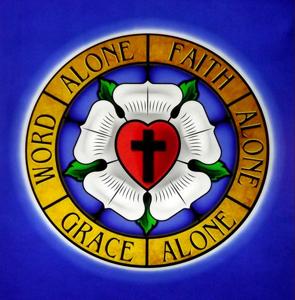


The possibility of opposite (and competing) ERRORS is not a modern problem; it has ALWAYS been a problem. During Apostolic era, two prominent errors were:
Various Scriptures Include:
Acts 15:1-21 (The Jerusalem Council)
Romans 6:1-2, 15-16
James 2:14-20
James doesn't mince words when he boldly asserts, "Faith apart from works is dead!" A dead faith is no better than what the demons believe. A dead faith that doesn't save.
James 2:12-17
It is impossible experience the Liberty of God's Law until you have first experienced the bondage of God's Law. If however, the bondage of God's Law leads to faith in Christ Jesus, it impossible not to experience the Liberty of God's Law!
James 2:8-13
James adds two additional reasons explaining why partiality is wrong among believers:
James 2:1-7
James makes an inseparable connection between the Lord Jesus Christ and those who are His followers. Specifically, because Jesus did not show partiality (favoritism), therefore His followers [Christians] are not to show partiality (favoritism).
But wait a minute! Not so fast! Are we so sure Jesus didn't show partiality ?
James 1:26-27
James 1:22-25
As important as HEARING the Word of God is, it is not enough. Hearing must necessarily be accompanied by action, by doing, by change! James likens the person who responds thusly to a person who "looks into the perfect law, the law of liberty. and perseveres." James' view of the Law makes some evangelicals uncomfortable; so what does he mean by the terms?
James 1:21-22 -- "Therefore put away all filthiness and rampant wickedness and receive with meekness the implanted word, which is able to save your souls. But be doers of the word, and not hearers only, deceiving yourselves."
James provides explicit instructions to believers so that they can receive every advantage from God's implanted Word, resulting in the saving of their souls!
James 1:19-20
Today's message delves into the details of man's anger/wrath. Why is it necessary for the Bible to contain so many warnings against anger? Is it ever righteous? ever justified? If so, under what circumstances? And finally, how do these principles apply to Christ's Church? Does the Church's commission include expressing anger at immorality?
James 1:19-21
John Henry Jowett (1864 – 1923), British Protestant Minister:
From the publisher's feed