
Sign up to save your podcasts
Or

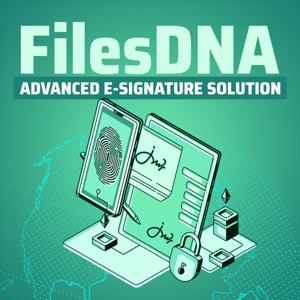


So, you finally took the step to go paperless and engage with the digital world. That good and exciting news!
Before we get into how to do an electronic signature, we believe that it is wise that you completely understand what an electronic signature is.
Simply put, an electronic signature or e-signature is a legal way to get approval or consent on electronic forms or documents. Overall speaking, it can replace a traditional pen and paper signature in virtually any process. Examples include application forms, contracts, nondisclosure agreements, change authorizations, vendor onboarding documents and RFPs, new hire onboarding forms, and government benefits enrollment forms.
Register Today For An Free Account: https://user.filesdna.com/
Signing documents safely and securely is extremely important. An esignature creates a legally binding relationship between all signing parties that protects everyone involved. If the e-document is not completely secure, however, it may be at risk of being altered by one or more signing parties at any time during the process.
Here at FilesDNA, we use Ethereum blockchain, the same technology that protects cryptocurrency, to encrypt the hash value for each e-document so users can verify the integrity of each signature.
With this technology, users can verify that:
Let’s take a look at the traditional e-signature process and discuss why using blockchain for e-signing documents is more secure.
To read this article visit to: https://www.filesdna.com/e-signing-documents-with-blockchain-a-safer-way-to-sign/
As the world becomes more and more run by technology, e-Signatures also need cybersecurity to grow with it. Extremely sensitive information like Signatures is communicated through the internet every day, all around the world – we need to ensure that the E-Signatures information is protected from bots, spiders, and hackers. Luckily, just as machines can be taught to attack, we can protect our E-Signatures through AI and ML technology
Your digital signature is forever left in cyberspace when you sign a document electronically. If the E-Signatures not properly encrypted and protected, they may be susceptible to capture from foreign sources that will use your signature fraudulently. This can be incredibly dangerous. FilesDNA uses artificial intelligence (AI) and machine learning (ML) to learn unique signature parameters and protect its integrity from others who may be trying to copy it.
To read full article visit to: https://www.filesdna.com/ai-and-ml-the-e-signatures-future/
From the publisher's feed