
Sign up to save your podcasts
Or

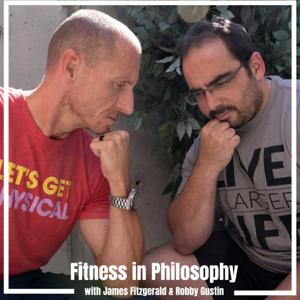


In this episode, we discuss the following questions about business ethics and its connection with fitness
-What are ethics and how does they relate to the practice of fitness?
-Why are ethics important in business?
-What are ethical and unethical practices within the business of fitness?
-How can we balance the need of a fitness business for recurring profit with the idea that a fitness individual shouldn't need a coach long-term?
-In terms of licensure, who should be allowed to be a fitness coach and who should not?
The Fitness in Philosophy podcast is dedicated to discussing the intersection between concepts in philosophy and their connection with fitness. Each episode we talk about a particular philosophical concept like autonomy, knowledge, virtue, truth, etc. and discuss how that idea connects with coaching fitness, participating in fitness as an individual, and fitness culture at large. It is hosted by James FitzGerald and Robby Gustin. About the Hosts: James FitzGerald is the founder and owner of OPEX Fitness, and he was the first-ever men's CrossFit® Games champion in 2007.
He's one of the world's most in-demand experts on coaching mindset and training. James is also the leader of the individual design movement in the fitness world. He firmly believes that individual design programs are the only way that a coach and client can build the relationship and trust necessary to progress a client’s fitness for a lifetime. You can find out more about James and OPEX Fitness at opexfit.com Robby Gustin holds a BA in philosophy from Columbia University and a PhD in philosophy from the University of Notre Dame. He is currently head nutrition coach at CFSB Nutrition, a Functional Diagnostic Nutrition® Health Coach, and an OPEX CCP Coach.
In this episode, we discuss the following questions about simplicity and its connection with fitness
-What is simplicity?
-Why is simplicity important in our lives?
-What is the importance of simplicity when it comes to our health and fitness practices?
-Have corporations made fitness, health, and nutrition needlessly complex in an effort to get us to pay for their services?
-If we boiled done fitness and nutrition to their most simple elements what would that look like?
The Fitness in Philosophy podcast is dedicated to discussing the intersection between concepts in philosophy and their connection with fitness. Each episode we talk about a particular philosophical concept like autonomy, knowledge, virtue, truth, etc. and discuss how that idea connects with coaching fitness, participating in fitness as an individual, and fitness culture at large. It is hosted by James FitzGerald and Robby Gustin.
About the Hosts:
James FitzGerald is the founder and owner of OPEX Fitness, and he was the first-ever men's CrossFit® Games champion in 2007. He's one of the world's most in-demand experts on coaching mindset and training. James is also the leader of the individual design movement in the fitness world. He firmly believes that individual design programs are the only way that a coach and client can build the relationship and trust necessary to progress a client’s fitness for a lifetime. You can find out more about James and OPEX Fitness at opexfit.com
Robby Gustin holds a BA in philosophy from Columbia University and a PhD in philosophy from the University of Notre Dame. He is currently head nutrition coach at CFSB Nutrition, a Functional Diagnostic Nutrition® Health Coach, and an OPEX CCP Coach.
In this episode, we discuss the following questions.
-Is the way we exercise today ultimately folly/absurd?
-What is folly/absurdity?
-Which activities that we engage in in life have meaning vs. the ones that are absurd/folly?
-Is fitness just a means to an end to a meaningful life?
-What's the connection between absurdity, folly, existentialism, and nihilism?
The Fitness in Philosophy podcast is dedicated to discussing the intersection between concepts in philosophy and their connection with fitness. Each episode we talk about a particular philosophical concept like autonomy, knowledge, virtue, truth, etc. and discuss how that idea connects with coaching fitness, participating in fitness as an individual, and fitness culture at large. It is hosted by James FitzGerald and Robby Gustin. About the Hosts: James FitzGerald is the founder and owner of OPEX Fitness, and he was the first-ever men's CrossFit® Games champion in 2007. He's one of the world's most in-demand experts on coaching mindset and training. James is also the leader of the individual design movement in the fitness world. He firmly believes that individual design programs are the only way that a coach and client can build the relationship and trust necessary to progress a client’s fitness for a lifetime.
You can find out more about James and OPEX Fitness at opexfit.com Robby Gustin holds a BA in philosophy from Columbia University and a PhD in philosophy from the University of Notre Dame. He is currently head nutrition coach at CFSB Nutrition, a Functional Diagnostic Nutrition® Health Coach, and an OPEX CCP Coach.
In this episode of the Fitness in Philosophy podcast James and Robby turn their attention to the concept of meaning and its connection with fitness.
In this episode, we discuss the following questions.
-What is meaning?
-What is the meaning of life and how have philosophers tried to answer this question?
-Where does fitness sit in the hierarchy or meaning of your life?
-Is fitness just a means to an end to a meaningful life?
-How can a fitness coach help a fitness client learn more about what they consider meaningful in their lives? -
The Fitness in Philosophy podcast is dedicated to discussing the intersection between concepts in philosophy and their connection with fitness.
Each episode we talk about a particular philosophical concept like autonomy, knowledge, virtue, truth, etc. and discuss how that idea connects with coaching fitness, participating in fitness as an individual, and fitness culture at large. It is hosted by James FitzGerald and Robby Gustin.
About the Hosts:
James FitzGerald is the founder and owner of OPEX Fitness, and he was the first-ever men's CrossFit® Games champion in 2007. He's one of the world's most in-demand experts on coaching mindset and training. James is also the leader of the individual design movement in the fitness world. He firmly believes that individual design programs are the only way that a coach and client can build the relationship and trust necessary to progress a client’s fitness for a lifetime. You can find out more about James and OPEX Fitness at opexfit.com
Robby Gustin holds a BA in philosophy from Columbia University and a PhD in philosophy from the University of Notre Dame. He is currently head nutrition coach at CFSB Nutrition, a Functional Diagnostic Nutrition® Health Coach, and an OPEX CCP Coach.
In this episode of the Fitness in Philosophy podcast James and Robby turn their attention to the concept of tradition and its connection with fitness.
In this episode, we discuss the following questions.
-What is tradition?
-What are the benefits and drawbacks of following traditions?
-What's the connection between philosophy and tradition?
-Should one adopt a certain fitness practice because that's what's been done traditionally (e.g., walking and lifting rocks)?
-What is the significance of different traditions within fitness (e.g., running, powerlifting, gymnastics, etc.)?
-How should we view the tradition, within fitness today, of setting a New Year's resolution each year?
The Fitness in Philosophy podcast is dedicated to discussing the intersection between concepts in philosophy and their connection with fitness. Each episode we talk about a particular philosophical concept like autonomy, knowledge, virtue, truth, etc. and discuss how that idea connects with coaching fitness, participating in fitness as an individual, and fitness culture at large. It is hosted by James FitzGerald and Robby Gustin.
About the Hosts: James FitzGerald is the founder and owner of OPEX Fitness, and he was the first-ever men's CrossFit® Games champion in 2007. He's one of the world's most in-demand experts on coaching mindset and training. James is also the leader of the individual design movement in the fitness world. He firmly believes that individual design programs are the only way that a coach and client can build the relationship and trust necessary to progress a client’s fitness for a lifetime. You can find out more about James and OPEX Fitness at opexfit.com
Robby Gustin holds a BA in philosophy from Columbia University and a PhD in philosophy from the University of Notre Dame. He is currently head nutrition coach at CFSB Nutrition, a Functional Diagnostic Nutrition® Health Coach, and an OPEX CCP Coach.
In this episode of the Fitness in Philosophy podcast James and Robby turn their attention to the concept of progress and its connection with fitness.
In this episode, we discuss the following questions.
-What is progress?
-Is progress always good?
-Do certain activities that humans engage in involve progress while others do not?
-Can there be any true progress in fitness?
-Are all the attempts at progress in fitness ultimately folly?
The Fitness in Philosophy podcast is dedicated to discussing the intersection between concepts in philosophy and their connection with fitness. Each episode we talk about a particular philosophical concept like autonomy, knowledge, virtue, truth, etc. and discuss how that idea connects with coaching fitness, participating in fitness as an individual, and fitness culture at large. It is hosted by James FitzGerald and Robby Gustin. About the Hosts:
James FitzGerald is the founder and owner of OPEX Fitness, and he was the first-ever men's CrossFit® Games champion in 2007. He's one of the world's most in-demand experts on coaching mindset and training. James is also the leader of the individual design movement in the fitness world. He firmly believes that individual design programs are the only way that a coach and client can build the relationship and trust necessary to progress a client’s fitness for a lifetime. You can find out more about James and OPEX Fitness at opexfit.com
Robby Gustin holds a BA in philosophy from Columbia University and a PhD in philosophy from the University of Notre Dame. He is currently head nutrition coach at CFSB Nutrition, a Functional Diagnostic Nutrition® Health Coach, and an OPEX CCP Coach.
In this episode of the Fitness in Philosophy podcast James and Robby turn their attention to the concept of geography and its connection with fitness. In this episode, we discuss the following questions.
-Why do different cultures and geographies have different fitness practices?
-Which fitness practices are common to all geographies?
-Do the differences or commonalities among geographical fitness practices have any bearing on what fitness practices we should adopt today?
-Are there any fitness practices that are objectively better (or worse) than others or is just different strokes for different folks?
-Are the differences in fitness practices in different geographies interesting, but ultimately trivial?
Or do they have a deeper significance? The Fitness in Philosophy podcast is dedicated to discussing the intersection between concepts in philosophy and their connection with fitness. Each episode we talk about a particular philosophical concept like autonomy, knowledge, virtue, truth, etc. and discuss how that idea connects with coaching fitness, participating in fitness as an individual, and fitness culture at large. It is hosted by James FitzGerald and Robby Gustin. About the Hosts: James FitzGerald is the founder and owner of OPEX Fitness, and he was the first-ever men's CrossFit® Games champion in 2007. He's one of the world's most in-demand experts on coaching mindset and training. James is also the leader of the individual design movement in the fitness world. He firmly believes that individual design programs are the only way that a coach and client can build the relationship and trust necessary to progress a client’s fitness for a lifetime. You can find out more about James and OPEX Fitness at opexfit.com
Robby Gustin holds a BA in philosophy from Columbia University and a PhD in philosophy from the University of Notre Dame. He is currently head nutrition coach at CFSB Nutrition, a Functional Diagnostic Nutrition® Health Coach, and an OPEX CCP Coach.
In this episode of the Fitness in Philosophy podcast James and Robby turn their attention to the concept of evolution and his connection with fitness.
In this episode, we discuss the following questions.
-What are the basics of evolution?
-What deep philosophical questions does the theory of evolution raise for who we are as human beings?
-How closely should our fitness practices mirror our evolutionary fitness practices?
-How does physical fitness influence key evolutionary concepts like survival and reproduction?
-What role does the "evolutionary mismatch" theory have on how we discuss human health?
The Fitness in Philosophy podcast is dedicated to discussing the intersection between concepts in philosophy and their connection with fitness. Each episode we talk about a particular philosophical concept like autonomy, knowledge, virtue, truth, etc. and discuss how that idea connects with coaching fitness, participating in fitness as an individual, and fitness culture at large. It is hosted by James FitzGerald and Robby Gustin.
About the Hosts: James FitzGerald is the founder and owner of OPEX Fitness, and he was the first-ever men's CrossFit® Games champion in 2007. He's one of the world's most in-demand experts on coaching mindset and training. James is also the leader of the individual design movement in the fitness world. He firmly believes that individual design programs are the only way that a coach and client can build the relationship and trust necessary to progress a client’s fitness for a lifetime.
You can find out more about James and OPEX Fitness at opexfit.com Robby Gustin holds a BA in philosophy from Columbia University and a PhD in philosophy from the University of Notre Dame. He is currently head nutrition coach at CFSB Nutrition, a Functional Diagnostic Nutrition® Health Coach, and an OPEX CCP Coach.
In this episode of the Fitness in Philosophy podcast James and Robby are joined by special guest OPEX CCP Coach Brandon Wilton.
This is the final episode in our series on disagreements in fitness. In this final episode of the discussion we discuss the following questions.
-What role does disagreement play in the fitness profession? Does it help move the profession forward or does it hold things back?
-What role does social media play in amplifying or resolving disagreement in fitness?
-What are the proper forums for disagreement in the fitness realm? Podcasts? Facebook comments? In-Person?
-To what extent can/should coaches disagree with their clients and how should that disagreement be framed within the coach/client relationship.
The Fitness in Philosophy podcast is dedicated to discussing the intersection between concepts in philosophy and their connection with fitness. Each episode we talk about a particular philosophical concept like autonomy, knowledge, virtue, truth, etc. and discuss how that idea connects with coaching fitness, participating in fitness as an individual, and fitness culture at large. It is hosted by James FitzGerald and Robby Gustin.
About the Hosts: James FitzGerald is the founder and owner of OPEX Fitness, and he was the first-ever men's CrossFit® Games champion in 2007. He's one of the world's most in-demand experts on coaching mindset and training. James is also the leader of the individual design movement in the fitness world. He firmly believes that individual design programs are the only way that a coach and client can build the relationship and trust necessary to progress a client’s fitness for a lifetime. You can find out more about James and OPEX Fitness at opexfit.com Robby Gustin holds a BA in philosophy from Columbia University and a PhD in philosophy from the University of Notre Dame. He is currently head nutrition coach at CFSB Nutrition, a Functional Diagnostic Nutrition® Health Coach, and an OPEX CCP Coach. You can connect with him on Instagram at the handle @cfsbnutrition.
From the publisher's feed