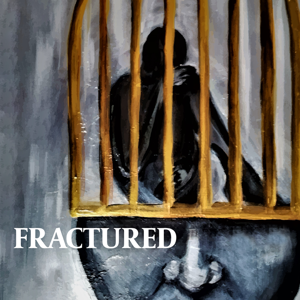
Fractured

Fractured

By WFAE, Eric TeelSociety & CultureNews
Download on the App Store

All Fractured episodes

  • 'Life sentence on the installment plan'
    For those living with severe mental illness, the chances of becoming homeless can be high. Once homeless, they’re more likely to end up behind bars. Going to jail can start a downward spiral. Many lose jobs or benefits — even health care. Some will cycle between jail and the streets for years — often for minor crimes like trespassing. Last week, WFAE — with support from the PBS series, "FRONTLINE" — examined the problem of inmates who wait in custody for months because they’re too sick to stand trial. This week we focus on inmates who cycle in and out of jail, serving what many in the court system call a “life sentence on the installment plan.”
    11 min
  • The mental health crisis in North Carolina’s emergency rooms
    WFAE has been examining North Carolina’s broken mental health system, especially as it affects people in the criminal justice system. This week, we start to look at the impact this system has on others, such as children, who wait for weeks or months in hospital emergency departments because there’s simply no place for them to go. And people who head to emergency rooms in crisis, only to find the average wait for a state psychiatric hospital is more than two weeks.
    13 min
  • When criminal justice systems have to deal with mental illness
    The vast majority of violent crimes aren't committed by people living with mental illness. But when people struggling with mental illness are charged with violent crimes, it poses a dilemma. When a defendant receives treatment and improves while awaiting trial in custody, prosecutors must decide whether they'll ask for a prison sentence or allow defendants to be released to the community with no guarantee they'll continue their care.
    13 min
  • Kids, trauma and mental health
    The more trauma children endure, the more likely they are to develop a host of medical and social problems, including learning disabilities and addictions. They are also more likely to end up in the juvenile justice system and eventually in jail. In this installment of the series "Fractured," WFAE looks at the intersection of childhood trauma and the justice system.
    13 min
  • The Miami model
    As WFAE has been reporting in our series, “Fractured,” locking up defendants with serious mental illness can make their mental health worse. It’s expensive, and it's often not very effective at reducing crime. If former inmates don’t get treatment when released, they’re likely to get arrested again. But in Miami, Florida, public officials are taking a different approach to the issue — jail diversion.

    14 min