
Sign up to save your podcasts
Or

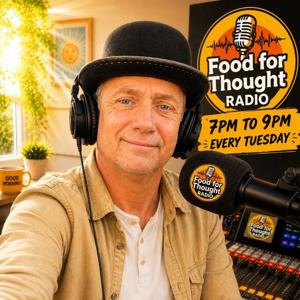

In this candid round‑table, I’m joined by co‑host Paul from Bramblebee Farm and our guest Milly Fyfe, newly awarded an MBE, to dig into the reality of British farming in 2026. We cover why diversification keeps family farms alive (from honesty shops and education centres to markets and on‑farm processing), the constant juggle with planning, EHO and Trading Standards, and how surplus supermarket food can be repurposed through community shops. Milly explains how her farm classroom has welcomed schoolchildren, SEN groups and adults in recovery, reconnecting people with where food comes from through animals, soil, seed planting and simple bread‑and‑butter making. We talk straight about the gap between policy and practice, the pressure of cheap imports, fast‑food culture, and the struggle to keep local supply chains viable. Paul shares lessons from running a butchery, markets and new dairy diversification (hello, farm ice cream), while we swap practical ideas on volunteer management and farmer‑led “good fast food”. It’s an honest look at the graft, the hope and the community energy needed to rebuild food literacy and make British farming sustainable for the next generation.
 View all episodes
 By Mark Byford
In this candid round‑table, I’m joined by co‑host Paul from Bramblebee Farm and our guest Milly Fyfe, newly awarded an MBE, to dig into the reality of British farming in 2026. We cover why diversification keeps family farms alive (from honesty shops and education centres to markets and on‑farm processing), the constant juggle with planning, EHO and Trading Standards, and how surplus supermarket food can be repurposed through community shops. Milly explains how her farm classroom has welcomed schoolchildren, SEN groups and adults in recovery, reconnecting people with where food comes from through animals, soil, seed planting and simple bread‑and‑butter making. We talk straight about the gap between policy and practice, the pressure of cheap imports, fast‑food culture, and the struggle to keep local supply chains viable. Paul shares lessons from running a butchery, markets and new dairy diversification (hello, farm ice cream), while we swap practical ideas on volunteer management and farmer‑led “good fast food”. It’s an honest look at the graft, the hope and the community energy needed to rebuild food literacy and make British farming sustainable for the next generation.