
Sign up to save your podcasts
Or

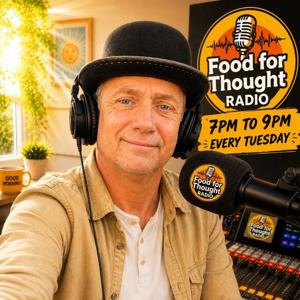


In this episode, I sat down with Shamila to talk openly about my own health journey, why I’ve chosen a natural route for years, and what I’ve changed recently to get my energy, digestion and general wellbeing back on track. We got into the thinking behind the routine I’ve been following — from ghee, quercetin and black seed oil through to vitamin C and B12 injections, magnesium spray, herbal teas and better everyday food choices — and, yes, I also confessed to using one product completely the wrong way for months. More than anything, this was a frank conversation about taking ownership of our health, being honest about what our bodies are telling us, and remembering that food quality matters just as much as anything we keep in the medicine cupboard.
In the second half, the conversation widened back out to food, farming and community. We talked about raw milk, flour fortification, supermarket convenience, and the way modern life has pulled people away from cooking, growing and sharing proper food together. I also spoke with farmer John Cherry about regenerative agriculture, no-till systems, soil health and the need to reconnect people with the land and with real food production. Running through the whole episode was one big theme: whether we’re talking about personal health or the future of farming, we’ve got to rebuild strong local communities, restore trust in good food, and start taking practical responsibility again for the things that keep us well.
In this episode I sat down with Charles Dowding for a deep and genuinely inspiring conversation about no dig gardening, soil health and what it really takes to grow nutrient-dense food well. We got into the core principles behind no dig, why disturbing the soil costs us fertility, how compost works as a soil amendment rather than a quick-feed fertiliser, and what Charles has learned from decades of trials, books, teaching and market gardening. We also spoke about watering in a dry year, pests, compost choices, seed saving, flowers in the garden, winter growing, sowing dates, and why flavour is one of the strongest arguments for local, properly grown food.
From there I widened the conversation out to the future of food and farming: how small-scale market gardening can sit alongside larger farms, why more people need access to land and skills, and why local sales matter so much. In the second half, I shared thoughts on Common Hearts and the wider push towards rebuilding resilient local communities around food, trust, knowledge and practical action. If you care about growing better food, restoring soil life, and creating stronger local food systems, this one is packed with wisdom.
Tonight I was joined by Susan in Denmark and Robert in Scotland for a wide-ranging conversation about where farming goes next — from the launch of our Community Hearts programme to the much bigger question of how communities and farmers can work together to rebuild local food systems. We explored Susan’s work in regenerative, biodynamic and biodiversity-led farming, her push for decentralised decision-making in Denmark, and why farmers need a stronger voice in shaping food, health and rural policy. We also dug into heritage seeds, resilient local production, and why smaller, more independent farming models may be key to feeding communities well in the years ahead.
We then turned to soil health, depleted nutrients, direct-to-consumer food models and the need to move away from input-heavy farming that depends on expensive synthetic fertilisers and chemicals. Susan and Robert explained the low-input regenerative approach they have been trialling with Rexil Agro, aimed at strengthening plant resilience, improving root systems and supporting soil biology without requiring farmers to buy new kit. We also discussed animal health, the pressures on livestock keepers, and Robert’s broader view that restoring the soil carbon sponge, keeping land covered and working with nature could help farmers improve resilience, profitability and long-term food security at the same time.
Tonight I set out a much bigger vision than food alone: rebuilding community. I shared how a single volunteer post previously brought in around 900 offers of help, and why I now want to relaunch that energy in a far more organised way — from social sharing and litter-picking to community growing, seed saving and local action. For me, the real issue is not simply farming or shortages, but how disconnected people have become from one another, from the land, and from the simple joy of doing something meaningful together.
I was then joined by Andy of Bio Energetic Growing and Hans-Günther Kern, and we went deep into soil life, microbes, worms, biodynamics, electroculture, resonance, seed saving and nutrient density. We explored how healthier soil could mean healthier food and healthier people, and why more of us need to get our hands back in the earth. The conversation kept returning to one idea: if we reconnect people with nature, shared work and local growing, we do more than improve food — we restore confidence, belonging and a sense of purpose.
This week I opened the show with a catch-up from the garden and polytunnel, talking through the push to get beds composted, winter crops in, and as much as possible prepared before the colder months arrive. Paul then joined me from Bramblebee Farms with a proper on-farm update: housing decisions for livestock, autumn calving, pigs, pasture poultry, hay stocks for winter, and the constant balancing act of keeping a farm moving while dealing with inspections, paperwork and rising pressure on producers. We also got into the realities of breeding for resilient, good-quality pork, selling direct, keeping margins sensible, and why their new orchard and apple and pear picking events are becoming such an important part of the farm’s diversification.
Later, Shaz returned to the show and took us deep into the world of homeopathy for animals, people, and even plants. We talked about seed germination, silica, tissue salts, natural approaches to livestock health, mastitis support, pet remedy kits, and the wider connection between soil biology, microbes, nutrient density and the food we eat. It turned into a wide-ranging conversation about farming differently, trusting observation, reducing reliance on conventional inputs where possible, and learning again from nature rather than always fighting against it.
Tonight I was joined first by Juliette Bryant for a deep conversation on food sovereignty, soil health, school growing projects, foraging, seed saving and the urgent need to reconnect people with where real food comes from. We explored how nutrient density begins in the soil, why local growing matters, how traditional knowledge around preserving, seasonal eating and medicinal plants has been lost, and why teaching children to grow, taste and value food is one of the most powerful things we can do. Juliette also shared her work with schools, stock-free growing, forest gardens and the wider mission of helping people return to a more natural relationship with food and the land.
In the second half, Graham Miles joined me to talk plainly about the pressures farmers are facing right now, from drought and disease pressures to shrinking margins, mental health struggles and the wider breakdown in the farming economy. We discussed why more farmers need routes to sell directly to the public, why consumers must pay closer attention to where their food really comes from, and why backing British farmers has never mattered more. It was a passionate, wide-ranging episode about food quality, resilience, local supply, and the human cost of a system that too often leaves both growers and eaters disconnected.
In this episode, I’m joined by Shay Godfrey from Crops Not Shops for a grounded and passionate conversation about what it really takes to build intentional community on the land. We talk through Shay’s move back to Somerset, the new 26-acre site, and the vision for a co-owned project built around food, energy, medicine, education and housing. From my side as a host and grower, I challenge and support the idea that the future of farming cannot be based on isolated self-sufficiency or exhausted commercial models, but on shared land, shared purpose and practical community systems that feed the people on site first, then the wider local community, and only then create surplus for sale.
In the second half, Sandra joins me to explore animal nutrition, hydration and the wider farming crisis. We get into EquidGel, Lucerne, cattle and horse health, the failings of modern feed systems, and why hotter, drier seasons are exposing just how broken current practice has become. Across both conversations, the thread is the same: if we want a healthier future, we need better soil, better food, better care for animals, and stronger local networks built on cooperation rather than dependency.
In this episode, I’m joined first by Paul Day from Bramblebee Farms for a frank catch-up on life on the farm, from rebuilding chicken tractors and battling rats in the chick sheds to weaning pigs, sorting winter feed, and worrying about what another long, dry spell could mean for hay, grass and cattle going into winter. We also touch on bluetongue, wildfires, the pressure farmers are under, and Paul’s plans for community orchard events and local markets that bring growers, producers and customers together.
Then Mike Hands joins us for a fascinating deep dive into rainforest soils, slash-and-burn agriculture and the decades of research that led to Inga Alley Cropping. Mike explains why tropical rainforest soils are far less fertile than most people imagine, how phosphorus loss sits at the heart of the problem, and how tree-based systems can restore degraded land, improve food security and help families move away from destructive cycles of clearing forest. It’s a thought-provoking conversation about soil, resilience, agroforestry and what practical regeneration can really look like at scale.
In this episode, I’m joined by Paul from Bramblebee Farm, alongside Simone and later Shamila, for a wide-ranging conversation about food, farming and health. We dig into what deep-rooted plants such as comfrey can teach us about resilience, mineral-rich soils and natural fertility, and we compare shallow-rooted modern systems with more regenerative approaches to grass, grazing and crop production. We also explore what year-round growing can look like in a well-designed polycarbonate greenhouse, from tomatoes and cucumbers to citrus, and why flavour, nutrient density and food sovereignty matter more than ever.
We also get into the financial realities of farming, from community-supported ownership models and orchard diversification to the pressures of scaling a farm business without losing sight of quality. In the second half, the conversation turns to health, with Shamila sharing her perspective on inflammation, nutrition, gut health and lifestyle change, while Paul reflects openly on the challenge of producing excellent food for others whilst neglecting his own health. It’s an honest, lively discussion about restoring soil, restoring people and rebuilding a food system that genuinely nourishes us.
Tonight I was joined by Jacqueline and later Steven for a frank conversation about food, farming and the growing need to step outside the supermarket model. Jacqueline shared how a serious health crisis pushed her into growing her own food, rebuilding her diet around local produce, and discovering just how much resilience can come from community gardens, local butchers and simple seasonal eating. We also explored the bigger picture: food sovereignty, the loss of connection between people and real food, why taste and soil health matter, and how small growers, seed saving, composting and local food hubs could help rebuild stronger local food systems.
We also got into the practical realities on the farming side. I talked through ideas around seed, soil, taste and sale, including using tools like refractometers to help put flavour and quality back at the centre of food production. Steven then joined us with an update from his dairy, sharing the challenges of selling raw milk and the constant problem-solving that comes with farming. Across the whole discussion, the message was clear: grow what you can, support local farmers where you can, and keep building food networks rooted in community, skill-sharing and common sense.
From the publisher's feed