
Sign up to save your podcasts
Or

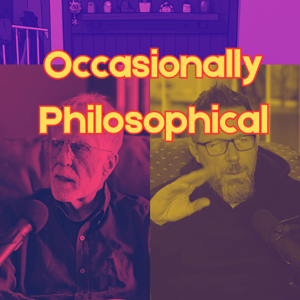

In this episode of Occasionally Philosophical, Mark and Doug unpack masculinity in the post-#MeToo era: consent and power, the difference between egregious abuse and pressuring “scripts,” why patriarchy still shapes dating expectations (who pays, who “owes” what), and how media narratives polarize our judgments. We connect Ishmael’s “mother culture,” human exceptionalism, intersectionality, and the info-ecosystems that form our “pseudo-environments” (Lippmann/Bernays). We don’t claim to solve it—we try to hold beliefs loosely, unstrap from ego, and look for a healthier, empathetic masculinity. ➤ What we cover: consent nuance (Aziz vs. Weinstein), paying = entitlement scripts, representation vs. caricature, visibility ≠ “agenda,” exposure vs. empathy, and building bridges across media bubbles. If you made it this far, you’re our people. 💚 Drop a comment (we read them—even at 2:30 a.m. with coffee).
 View all episodes
 By Mark
In this episode of Occasionally Philosophical, Mark and Doug unpack masculinity in the post-#MeToo era: consent and power, the difference between egregious abuse and pressuring “scripts,” why patriarchy still shapes dating expectations (who pays, who “owes” what), and how media narratives polarize our judgments. We connect Ishmael’s “mother culture,” human exceptionalism, intersectionality, and the info-ecosystems that form our “pseudo-environments” (Lippmann/Bernays). We don’t claim to solve it—we try to hold beliefs loosely, unstrap from ego, and look for a healthier, empathetic masculinity. ➤ What we cover: consent nuance (Aziz vs. Weinstein), paying = entitlement scripts, representation vs. caricature, visibility ≠ “agenda,” exposure vs. empathy, and building bridges across media bubbles. If you made it this far, you’re our people. 💚 Drop a comment (we read them—even at 2:30 a.m. with coffee).