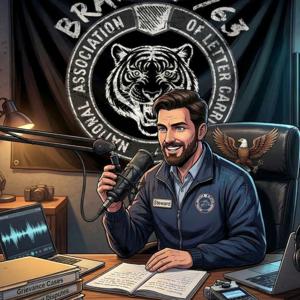
From The 573

From The 573

Download on the App Store

All From The 573 episodes

  • A Thirsty Thursday......But It's Monday

    In this lively conversation, the hosts explore various themes including creativity, work life, health remedies, personal anecdotes, and conspiracy theories. They share humorous stories about their experiences, discuss the importance of testing new ideas, and delve into intriguing topics like the mysterious deaths of Bruce and Brandon Lee. In this conversation, the speakers explore various themes including the butterfly effect and its implications on life choices, historical what-ifs, the harshness of modern youth interactions, the dangers of online gaming, celebrity controversies, and the realities of postal work. They delve into the political climate, local legends, and even unusual food discussions, all while maintaining a humorous and engaging tone throughout. The conversation explores themes of nostalgia, transitions into new roles, reflections on election responsibilities, creative ideas for the NALC headquarters, and the challenges of family dynamics during relocation. The speakers share personal anecdotes and humorous ideas about how to enhance the workplace environment while also addressing the serious implications of their new responsibilities. In this conversation, the speakers discuss the challenges and responsibilities that come with new roles, the importance of effective communication and writing, and the need for mental health awareness in the workplace. They also touch on the dynamics of upcoming events, the significance of building a supportive team, and the balance between work and personal life. The conversation highlights the complexities of organizational culture and the necessity for clear communication and support systems. The conversation covers a range of topics including indulgence in food, personal health issues, workplace dynamics, and humorous anecdotes about office life. The speakers share personal stories about health challenges, including injuries and cancer journeys, while also discussing the importance of ergonomics in the workplace. The dialogue is light-hearted and filled with humor, reflecting on the ups and downs of their experiences.Proverbs 9 | NLT Bible - Bible App

    CREA | AI Grievance Research for Postal Workers⁠⁠⁠⁠⁠⁠⁠⁠⁠⁠⁠⁠⁠⁠⁠⁠⁠⁠⁠⁠

    https://crearesearch.com/ref/G3SF2DFQ⁠⁠⁠

    Mental Health Matters Just as Much as Your Physical Health | Load Time with Rob Kosier | Listen to the Podcast on SpotifyThe Comfort Stop with Rick Rock | Listen to the Podcast on Spotify

    2 hr 11 min
  • Can I Count On YOU?! | Law of Countability

    Austin opens with a look at local and regional results from the 2026 NALC national officer referendum, then connects the election and union life to a personal discussion of trust, honest disagreement, and boundaries. The episode's main lesson comes from the law of countability: teams depend on character, competence, commitment, consistency, and cohesion, applied to the interdependent work of postal employees.

    Key Topics

    • Austin reviews selected results for Columbia, Missouri's Branch 763 and NALC Region 5 from the 2026 national officer referendum, noting that about 21.38% of eligible members voted.
    • He discusses the value of candid relationships where friends can challenge one another, and argues that silence can be mistaken for agreement.
    • Austin shares how he is building union participation, describing his station as a 100% unionized shop and criticizing coworkers who benefit from grievance work without contributing.
    • The episode explains how mail handlers, clerks, carriers, and transportation depend on one another, with late trucks and understaffing creating cascading delays.
    • The law of countability is summarized as character + competence + commitment + consistency + cohesion.
    • Austin connects character and trust to team culture, and reframes the idea of being a student of the NALC who learns its handbooks and manuals.
    • A seven-level commitment scale ranges from sniper and deserter to a committed team leader; consistency is described as creating predictability and safety.
    • Leaders can build cohesion by encouraging pride, recognition, shared purpose, team identity, and activities together.


    Official-Summary.pdf

    Proverbs 2 | TLV Bible - Bible App

    CREA | AI Grievance Research for Postal Workers⁠⁠⁠⁠⁠⁠⁠⁠⁠⁠⁠⁠⁠⁠⁠⁠⁠

    https://crearesearch.com/ref/G3SF2DFQ⁠

    Amazon.com: The 17 Indisputable Laws of Teamwork: Embrace Them and Empower Your Team (Audible Audio Edition): John C. Maxwell, Henry O. Arnold, HarperCollins Leadership: Audible Books & Originals⁠

    1 hr 14 min
  • Your Attitude Sucks | Law of The Bad Apple

    In this episode, Austin discusses the recent election results and the implications for the National Association of Letter Carriers (NALC). He reflects on the division within the union and emphasizes the importance of accountability and culture change moving forward. The conversation highlights the need for unity and the role of individual members in shaping the future of the union. In this conversation, Austin explores the themes of emotional mastery, the moral complexities of defending individuals in the legal system, reflections on America's values, personal growth through pain, and the impact of attitudes on team dynamics. He emphasizes the importance of self-reflection and accountability in both personal and professional contexts, urging listeners to confront their own attitudes and behaviors for the betterment of their teams and communities.


    Takeaways

    The election results indicate a shift in leadership within the NALC.

    Political mail must be treated with care to ensure neutrality.

    Voter turnout improved compared to previous elections but still needs work.

    The union has faced significant division in recent years.

    Members must separate personal political beliefs from union responsibilities.

    Self-discipline is crucial for personal and professional growth.

    Each member can contribute to a positive workplace culture.

    The new leadership represents a mix of different political backgrounds.

    It's essential to hold leaders accountable for their actions.

    Moving forward requires collaboration and respect among all members. Some of y'all get defensive too soon.

    If we all thought the same, then how could we ever change?

    You have a role to play as a steward.

    The Constitution was basically written by a bunch of criminals.

    America is still the place where you can say what you want.

    It starts with the person that you see in the mirror.

    Seeds are grown in the darkest of places.

    Bad attitudes must be addressed.

    Rotten attitudes ruin a team.

    We can all sit there and do some soul searching and actually change.

    Proverbs 26 | TLV Bible - Bible App

    CREA | AI Grievance Research for Postal Workers⁠⁠⁠⁠⁠⁠⁠⁠⁠⁠⁠⁠⁠⁠

    https://crearesearch.com/ref/G3SF2DFQ

    Mental Health Matters Just as Much as Your Physical Health | Load Time with Rob Kosier | Listen to the Podcast on SpotifySitting Down with Another Region 5 Queen | Load Time with Larrissa Parde | Listen to the Podcast on SpotifyCertified-Election-Results-2.pdfAmazon.com: The 17 Indisputable Laws of Teamwork: Embrace Them and Empower Your Team (Audible Audio Edition): John C. Maxwell, Henry O. Arnold, HarperCollins Leadership: Audible Books & Originals


    1 hr 13 min
  • Mental Health Matters Just as Much as Your Physical Health | Load Time with Rob Kosier

    This episode centers on Rob Kosier, branch president in Milwaukee and a candidate on the CLC slate for Director of Safety and Health. Austin and Rob get personal fast, covering Rob’s path from carrier to steward to branch president, the family influence that shaped his work ethic, and why safety, toxic management, and mental health are all connected. What makes this conversation matter is that Rob is not talking about safety as a slogan. He lays out specific problems he has seen in the field and in grievance handling, especially around heat, weather, unsafe delivery conditions, and the long-term damage caused by management abuse and delayed accountability.

    Key topics

    • In this episode, Rob shares how he got into the postal service after years in a union machine shop, then moved quickly from CCA to steward, formal A work, executive board service, and branch president in Milwaukee.
    • Rob explains how his mother’s experience as a mail handler and his father’s career as a firefighter shaped his view of public service, work stress, and why he values showing up for family.
    • The conversation digs into the toxic management culture he encountered on day one, including supervisors who ignored new hires, threatened discipline, and seemed to reward absenteeism over reliable work.
    • Rob describes how being a branch leader with five children has forced him to be intentional about time at home, weekends, and making sure his kids do not repeat the same work-life gaps he saw growing up.
    • Austin and Rob talk through generational differences in the workplace, especially how younger carriers respond to authority, training, phones in class, and the need for stronger mentorship.
    • A major focus is Rob’s safety platform, which includes heat safety, cold weather preparedness, wildfire smoke awareness, and a broader push to treat weather as an operational issue rather than an afterthought.
    • Rob argues that heat-related training should not be optional or treated as a box-checking exercise, and he is blunt that management often only acts when forced.
    • The discussion expands into mental health, with Rob connecting suicide risk, trauma, toxic work environments, social media pressure, and the need for a real peer support structure with trained professionals.
    • Rob shares a painful grievance/arbitration case involving a carrier who was removed after doing what management told him to do, and says that case became a turning point in his commitment to eliminating grievance backlogs.
    • The episode closes with Rob talking about the support of his wife, his campaign, and several practical ideas he wants to pursue, including CPR training for carriers, AED access, weather response teams, and earlier release times for carriers working in unsafe conditions.
    • Safety as a daily operational issue - Heat, cold, smoke, air quality, and building conditions all belong in the safety conversation.
    • Mental health and toxic work environment are linked - Rob repeatedly argues that they cannot be separated if the union wants real solutions.
    • Data should drive intervention - He wants better tracking of JSOVs, suicides, attendance problems, and regional patterns so responses are proactive instead of reactive.
    • Peer support must be trained and professionalized - Rob does not want a casual call tree; he wants structure, training, and clinical backup.
    • Carry extra heat and cold weather supplies instead of relying on management.
    • Pay attention to unsafe air quality, mold, asbestos, and building maintenance issues.
    • Take mental health concerns seriously and seek support early.
    • Push for CPR training and AED access in postal workplaces.
    • Track recurring safety and JSOV issues so patterns are not ignored.
    • Support carrier-led pressure on management when conditions become dangerous.

    Proverbs 12 | TLV Bible - Bible App

    CREA | AI Grievance Research for Postal Workers⁠⁠⁠⁠⁠⁠⁠⁠⁠⁠⁠

    https://crearesearch.com/ref/G3SF2DFQ


    ⁠Letter Carrier Political Fund | National Association of Letter Carriers AFL-CIO

    1 hr 51 min
  • Law of The Compass | Why Some Union Leaders Should Step Down Right Now

    Austin uses this solo episode to catch listeners up on what he has been doing, including Missouri state convention, upcoming branch training, and a packed stretch of interviews. He then pivots into a sharp political and union discussion about the current election cycle, grievances, the tentative agreement, and why he believes leadership needs more accountability and more follow through.The episode also turns reflective as Austin reads from John C. Maxwell’s The 17 Laws of Teamwork, focusing on the law of the compass and tying it to vision, strategy, and leadership in the union.

    Key topics

    • In this episode: Austin gives a personal update after a stretch of interviews with Cory, Henry Cordero, Larissa Pardee, and Camito Simpson Lewis, and says more conversations are lined up.
    • He recaps attending Missouri state convention for the first time, including training on the J-Whip process, route adjustment issues, and grievance basics.
    • Austin announces an upcoming retirement seminar his branch will host over Zoom and says he will share the registration details and materials needed for attendees.
    • He celebrates crossing 50 followers and thanks returning listeners for showing up each week.
    • He argues that too many union leaders and establishment supporters are comfortable with weak grievance enforcement, no cease and desist language, and no meaningful accountability.
    • He says anyone not willing to do the work of stewarding and filing grievances should step down from union office.
    • Austin takes aim at the handling of bonuses and financial transparency, questioning how leadership could claim not to know where funds came from if financial items are supposed to be itemized.
    • He critiques the claim that information was withheld for political advantage, and contrasts that with the timeline he believes makes the story difficult to sustain.
    • He reads from the NALC Constitution on ratification, ballot procedure, and what happens when members reject a proposed agreement, arguing that members were sidelined.
    • He challenges the idea that the tentative agreement and ongoing grievance backlog were handled properly, especially given that mandatory overtime and other issues remain unresolved.
    • Austin brings in the law of the compass from Maxwell’s book and uses it to argue that the union lacks clear direction, strategy, and a compelling vision.
    • He breaks the compass concept into moral, intuitive, historical, directional, strategic, and visionary angles, tying each one back to leadership, discipline, and membership service.
    • He says the union needs stronger enforcement, more education, and a return to militant grievance work instead of complacency.
    • He gives a local grievance update, including overtime equitability work and a start time grievance that has been received at Step B.
    • Austin urges listeners to check their ballots, request replacements if needed, and vote according to conscience rather than loyalty to stale leadership.
    • He closes with a reading from Proverbs 5 on wisdom, discipline, and avoiding destructive temptation, then ends with a call to take care of each other and stay engaged.
    • The Law of the Compass from The 17 Laws of Teamwork
    • Moral compass - Integrity and motive
    • Intuitive compass - Internal drive and conviction
    • Historical compass - Respecting what came before
    • Directional compass - Clear goals and purpose
    • Strategic compass - A plan to reach the goal
    • Visionary compass - Long-term growth and leadership development


    Proverbs 5 | TLV Bible - Bible App

    CREA | AI Grievance Research for Postal Workers⁠⁠⁠⁠⁠⁠⁠⁠

    https://crearesearch.com/ref/G3SF2DFQ

    Letter Carrier Political Fund | National Association of Letter Carriers AFL-CIO

    1 hr 40 min
  • The Lioness of The CLC | Load Time with Kimetra Simpson-Lewis

    This episode is a candid interview with Kimetra Simpson Lewis, the CLC’s “lioness,” about her life before politics, her path into the Postal Service, and the union experiences that shaped her leadership. She talks through family influence, grievance work, branch leadership, and the role faith has played through cancer and public service. We discuss how Oak Cliff shaped her, why the Postal Service and NALC became central to her life, and how she leads a branch through Zoom access, bylaws changes, and hard decisions. The episode also closes with a faith-centered reflection on perseverance, second chances, and encouraging others through hardship.

    Key topics

    • Austin introduces Kimetra Simpson Lewis and explains that this episode is meant to show her outside of campaign politics and let listeners know her as a person.
    • Kametra shares that she grew up in Oak Cliff, Dallas, where she learned early how to defend herself and adjust to a tougher neighborhood environment.
    • She explains how Skyline High School gave her a computer science cluster, which exposed her to options beyond her home district and helped broaden her perspective.
    • She talks about college at the University of Texas at Arlington, where she majored in business administration and initially wanted to become an entrepreneur.
    • Her mother’s advice to “get your own money” led her to the Postal Service, where she applied after marriage and becoming a mother, and eventually built a long career.
    • She describes co-parenting after divorce, including holiday child swaps and major help from her father, who watched and transported the children because of her postal work schedule.
    • Faith and family shaped her union mindset, especially her stepfather and uncle, who were both union leaders and helped her understand the value of labor representation.
    • She reflects on what changed in the Postal Service over time, saying pride in the job declined and that the creation of the CCA classification contributed to disrespect and exploitation.
    • She entered deeper union work in 1994, later becoming a formal A, then an arbitration advocate, and eventually a DRT member.
    • She explains her writing-driven approach to grievances, emphasizing line-by-line analysis, just cause principles, and careful documentation.
    • Her leadership as branch president since 2016 was tested early, especially because she inherited a hostile environment and had little support from outgoing officers.
    • Zoom became a major tool for branch participation, especially for members far from the hall or working during meeting hours, and the branch later updated bylaws to support hybrid access and voting.
    • She speaks candidly about leading as a woman, noting that some men underestimated her at first, but she leads with calm authority and knows how to stand firm when needed.
    • Faith is central to her life and leadership, and she shares her role as a lay leader at Village United Methodist Church and her belief that God guides both her personal life and her representation of carriers.
    • She shares a powerful cancer testimony, describing her 2003 breast cancer diagnosis and how she trusted God through treatment and kept moving forward.
    • Austin closes by sharing his own cancer journey, which creates a meaningful moment of mutual encouragement and hope.
    • Kimetra ends by thanking her children, Brittany, Bryce, and Gary, for their sacrifices and support as she serves others.


    Proverbs 28 | TLV Bible - Bible App

    ⁠CREA | AI Grievance Research for Postal Workers⁠⁠⁠⁠⁠

    https://crearesearch.com/ref/G3SF2DFQ

    nalclonestarbranch132 – We Deliver for You

    1 hr 8 min
  • Sitting Down with Another Region 5 Queen | Load Time with Larrissa Parde

    This episode is a personal conversation with Larrissa Parde about the experiences that shaped her both inside and outside the union. Austin and Larrissa talk through her upbringing, her path through the Postal Service, and the steady throughline of service that has guided her career. We discuss her family background, her work in OWCP, her move into regional leadership, and the values she carries into Leadership Academy and daily union work.

    Proverbs 23 | TLV Bible - Bible App⁠⁠

    CREA | AI Grievance Research for Postal Workers

    ⁠Episode 45: Corruption in Dubuque — The Story They Tried to Bury - FedUp with Ron Speakman | Podcast on Spotify

    1 hr 13 min
  • Load Time with Henry Cordero | Union Leadership, Health Plan Reform, and Transparency

    This episode features Henry Cordero, a Beverly Hills letter carrier and NALC member running for director of the health benefit plan, in a long-form conversation about his background, why he stepped into union politics, and what he would change if elected. The discussion also covers health insurance costs, mental health access, nepotism concerns, and how union leadership can become more transparent and member-driven.Speakers

    • Henry shares his personal story, his union experience, and his platform for reforming the health plan.
    • Austin guides the conversation, asks the policy questions, and pushes Henry on accountability, transparency, and member service.
    • C opens and closes the episode with a show update, explains the name change, and frames Henry’s appearance for the audience.
    • Henry explains why he stayed off social media for years, describing himself as private and warning about cyberbullying and online drama.
    • Henry shares his path from undercover security and loss prevention into the Postal Service, starting in 2000 and spending 26 years in Beverly Hills.
    • The conversation covers what it is like delivering in Beverly Hills, including celebrities, rude encounters, holiday tipping, and the difference between famous people who are respectful and those who are not.
    • Austin and Henry compare their neighborhoods and the impact of growing up around gangs, drugs, poverty, and violence.
    • Austin explains his own shop steward work, including taking on start time grievances, requesting records, and building a case around management’s lack of negotiation.
    • Henry lays out his plan for the health benefit role, including auditing spending, questioning premium increases, and pushing for more accountability around the plan’s finances.
    • They discuss hiring letter carriers into the health plan office so the people answering calls and handling claims understand the job, injuries, and language carriers use.
    • Henry argues for stronger mental health support, including more in-person help, more trained professionals, and a better response to carrier crises.
    • The conversation touches on nepotism concerns, specifically Henry’s criticism of Stephanie’s husband working in the health plan structure and the appearance of favoritism.
    • Austin and Henry discuss ranked choice voting, candidate slates, and whether the union should be more proactive instead of reactive when management makes changes.
    • Watch for the ballots and vote if you support Henry’s platform.
    • Review the health plan’s costs, staffing, and service hours with a more transparent lens.
    • Push for stronger mental health support, especially in-person and carrier-informed care.
    • Consider whether more carrier voices should be hired into health plan operations.
    • Stay engaged with the union process and hold leadership accountable through grievances, meetings, and elections.


    Proverbs 21 | TLV Bible - Bible AppHenry's Contact

    TicTok: countoncorderoHome | countoncordero.wixstudio.com[email protected]

    ⁠CREA | AI Grievance Research for Postal Workers⁠

    2 hr 13 min
  • The Podcast That Started a Movement | Load Time with Corey Walton

    In this episode of the 763 Podcast, Austin, Nate, and Tayler sit down with Corey Walton for a wide-ranging conversation about union advocacy, leadership, and the reality of fighting for city letter carriers. Corey opens up about what pushed him to run for EVP, why he believes aggressive advocacy matters, and how his experience as a steward and advocate shaped his approach to representation.

    The conversation also explores Corey’s origin story as a podcaster, the purpose behind From A to Arbitration, and the impact of educating smaller branches that often lack access to training. Corey reflects on the lessons learned from difficult cases, the importance of standing up to management, and why the city letter carrier must always come first. The episode takes a more personal turn as Corey shares stories about his brother Mike, childhood mischief, family, faith, and what he hopes people will say about him when he retires. It closes with a heartfelt prayer and a reminder that the work is bigger than any one person.

    Key Topics

    • Why Corey entered the EVP race
    • The difference between aggression and passion in advocacy
    • How From A to Arbitration began
    • The state of union education and training
    • Corey’s most memorable victories and losses
    • Personal stories about family, faith, and legacy
    • What drives Corey outside of union politics
    • Corey explains why he decided to “get in the ring”
    • A discussion about whether the union used to be more militant
    • Corey’s origin story for starting the podcast
    • A reflection on major grievance cases and lessons learned
    • Stories about Corey’s brother Mike and the values he left behind
    • Corey’s answer to what he hopes people say about him after retirement

    Notable Moments Takeaway

    This episode is a candid look at what it means to lead with conviction, educate others, and stay grounded in family and faith while fighting for change.


    Proverbs 14 | TLV Bible - Bible App


    From A to Arbitration | Podcast on Spotify


    ⁠CREA | AI Grievance Research for Postal Workers⁠⁠

    https://crearesearch.com/ref/G3SF2DFQ

    The Comfort stop | Podcast on Spotify


    1 hr 20 min