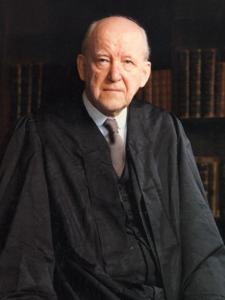
From the MLJ Archive on Oneplace.com

From the MLJ Archive on Oneplace.com

By Dr. Martyn Lloyd-JonesReligion & SpiritualityChristianity
Download on the App Store
  • Favorites

    92

    Followers

  • Latest release

    Today

  • Typical duration

    46 min

    per episode

Based on Podcast App listening data

All From the MLJ Archive on Oneplace.com episodes

  • Evils not ... Among Saints
    What are the behaviors that are to characterize the lives of Christians? What actions, thoughts, and type of speech should be avoided? In this sermon on Ephesians 5:3–5 titled “Evils not…Among Saints,” Dr. Martyn Lloyd-Jones teaches on Paul’s exhortation to live according to God’s word. In this passage, Paul provides a list of things that are generally characteristic of those who do not follow Christ— sexual immorality, uncleanness, covetousness, and other vices. His point is that Christians are to make every effort to avoid them. But in a world that actively engages in and encourages such sins, how can believers avoid them? First, Dr. Lloyd-Jones says, Christians must kill temptation at the first hint of it— they must not allow it even a small foothold in their lives. They are to run at the sight of it. Paul states that such things are to “not even be named among you.” Many read these verses and conclude that Christians are to be dull people. Yet that is not at all what these instructions mean. Rather, Jesus’s followers are to be characterized by giving thanks and radiating God’s joy in every activity of life. A Christian’s speech, states Dr. Lloyd-Jones, should always be profitable and thoughtful. Listen as Dr. Lloyd-Jones teaches how one can honor God through how they live.
    To support this ministry financially, visit: https://www.oneplace.com/donate/603/29?v=20251111
    48 min
  • Distinct Roles of Church and State
    The great message of Christianity is that Christians are not only saved from their sin and made right before a holy God, but they are made new creatures as the first fruits of the new creation in Christ. In this sermon on Ephesians 5:3–5 titled “Distinct Roles of Church and State,” Dr. Martyn Lloyd-Jones demonstrates how Scripture undercuts all doctrines of antinomianism, because by the power of the Holy Spirit all who are true believers are renewed and transformed daily through God’s grace. For it is the gospel that truly transforms fallen men and women; it alone can overcome the depravity of fallen human nature and make them new in Christ. This is why all attempts to make people moral without the gospel fail to address the deepest need of humanity. When the church becomes more concerned with moralism than the gospel, it loses the focus of its mission. This has often happened throughout the history of the church, and today many are repeating this error. The remedy to this is to see the distinction between the church and the state. It is the church that has been given the gospel and it is the state that is to rule and bring justice. As Dr. Lloyd-Jones powerfully proclaims, the church must never stray away from its main goal in proclaiming the gospel of God’s grace.
    To support this ministry financially, visit: https://www.oneplace.com/donate/603/29?v=20251111
    50 min
  • The Atoning Work of Christ
    Christians often talk about the atoning death of Christ when in conversation about spiritual things. It is often mentioned regarding its relation to salvation. However, is it possible that it could mean even more? What is the impact it is supposed to have on the rest of one’s life? In this sermon on Ephesians 5:2 titled “The Atoning Work of Christ,” Dr. Martyn Lloyd-Jones instructs on how this verse and Christ’s atonement apply to the lives of believers even after they are saved. The Scriptures are never satisfied with a mere general statement about the love of God— as this verse demonstrates, God’s love is specifically written about in the Bible because the specific acts of God demonstrate His love. A person’s conduct is determined by their doctrine. Dr. Lloyd-Jones reminds that “as a man thinks, so is he.” Thus, one’s view of the doctrine of Christ’s atonement will have consequences for the Christian walk. In Christ’s atonement, one gains a clear example of the love of God. Dr. Lloyd-Jones points out that the measure to which one understands God’s love will be the measure to which they show it to others. Paul specifically exhorts loving others as Christ loved them, and Christ loved them completely and unconditionally. Thus, His death on the sinner’s behalf has massive implications for how Christians live after they are saved because if they truly understand what He has done for them, they will share His love in word and deed with others.
    To support this ministry financially, visit: https://www.oneplace.com/donate/603/29?v=20251111
    49 min
  • Evils not ... Among Saints
    What are the behaviors that are to characterize the lives of Christians? What actions, thoughts, and type of speech should be avoided? In this sermon on Ephesians 5:3–5 titled “Evils Not…Among Saints,” Dr. Martyn Lloyd-Jones teaches on Paul’s exhortation to live according to God’s word. In this passage, Paul provides a list of things that are generally characteristic of those who do not follow Christ— sexual immorality, uncleanness, covetousness, and other vices. His point is that Christians are to make every effort to avoid them. But in a world that actively engages in and encourages such sins, how can believers avoid them? First, Dr. Lloyd-Jones says, Christians must kill temptation at the first hint of it— they must not allow it even a small foothold in their lives. They are to run at the sight of it. Paul states that such things are to “not even be named among you.” Many read these verses and conclude that Christians are to be dull people. Yet that is not at all what these instructions mean. Rather, Jesus’s followers are to be characterized by giving thanks and radiating God’s joy in every activity of life. A Christian’s speech, states Dr. Lloyd-Jones, should always be profitable and thoughtful. Listen as Dr. Lloyd-Jones teaches how one can honor God through how they live.
    To support this ministry financially, visit: https://www.oneplace.com/donate/603/29?v=20251111
    48 min
  • Distinct Roles of Church and State
    The great message of Christianity is that Christians are not only saved from their sin and made right before a holy God, but they are made new creatures as the first fruits of the new creation in Christ. In this sermon on Ephesians 5:3–5 titled “Distinct Roles of Church and State,” Dr. Martyn Lloyd-Jones demonstrates how Scripture undercuts all doctrines of antinomianism, because by the power of the Holy Spirit all who are true believers are renewed and transformed daily through God’s grace. For it is the gospel that truly transforms fallen men and women; it alone can overcome the depravity of fallen human nature and make them new in Christ. This is why all attempts to make people moral without the gospel fail to address the deepest need of humanity. When the church becomes more concerned with moralism than the gospel, it loses the focus of its mission. This has often happened throughout the history of the church, and today many are repeating this error. The remedy to this is to see the distinction between the church and the state. It is the church that has been given the gospel and it is the state that is to rule and bring justice. As Dr. Lloyd-Jones powerfully proclaims, the church must never stray away from its main goal in proclaiming the gospel of God’s grace.
    To support this ministry financially, visit: https://www.oneplace.com/donate/603/29?v=20251111
    50 min
  • The Atoning Work of Christ
    Christians often talk about the atoning death of Christ when in conversation about spiritual things. It is often mentioned regarding its relation to salvation. However, is it possible that it could mean even more? What is the impact it is supposed to have on the rest of one’s life? In this sermon on Ephesians 5:2 titled “The Atoning Work of Christ,” Dr. Martyn Lloyd-Jones instructs on how this verse and Christ’s atonement apply to the lives of believers even after they are saved. The Scriptures are never satisfied with a mere general statement about the love of God— as this verse demonstrates, God’s love is specifically written about in the Bible because the specific acts of God demonstrate His love. A person’s conduct is determined by their doctrine. Dr. Lloyd-Jones reminds that “as a man thinks, so is he.” Thus, one’s view of the doctrine of Christ’s atonement will have consequences for the Christian walk. In Christ’s atonement, one gains a clear example of the love of God. Dr. Lloyd-Jones points out that the measure to which one understands God’s love will be the measure to which they show it to others. Paul specifically exhorts loving others as Christ loved them, and Christ loved them completely and unconditionally. Thus, His death on the sinner’s behalf has massive implications for how Christians live after they are saved because if they truly understand what He has done for them, they will share His love in word and deed with others.
    To support this ministry financially, visit: https://www.oneplace.com/donate/603/29?v=20251111
    49 min
  • Imitators of God
    With so much input on how Christians are supposed to live their lives, how can they discern which way is correct? In this sermon on Ephesians 5:1–2 titled “Imitators of God,” Dr. Martyn Lloyd-Jones explains from Scripture how Christians are supposed to live and why they are to follow these guidelines. Paul says “we are to be imitators of God.” Christianity, Dr. Lloyd-Jones says, is more than just a moral code. Believers are never to obey simply because it is the normal “Christian” thing to do. Rather, they are to obey because they know what God has done for them and why God tells them to avoid certain things. In His graciousness, the Lord did not leave His people without reasons for obedience— instead, He tells often in Scripture the reasons why people are better off obeying His instructions. Just as children are representatives of their families, God’s children act as representatives of Him to the world. People should be able to look at them and see the Father because Christians should strive to become like their heavenly Father in the same way that they often attempt to imitate their earthly parents.
    To support this ministry financially, visit: https://www.oneplace.com/donate/603/29?v=20251111
    45 min
  • Grieve Not the Holy Spirit
    What does it mean to “grieve the Holy Spirit?” In this sermon on grieving the Holy Spirit from Ephesians 4:30, Dr. Martyn Lloyd-Jones speaks of Paul’s statement that encompasses all the particulars that he had been talking about in the preceding verses. Importantly, it also serves to differentiate Christian ethics from any other ethical tradition. If a Christian’s morality is not rooted in this purpose and understanding of sinning against God, then it is not Christian at all. Paul’s point is this: any wrong living grieves the Holy Spirit because the Holy Spirit is the seal of the Christian’s inheritance and indwells those who are saved. All sin runs counter to the character of God and grieves Him greatly. Dr. Lloyd-Jones says that when one becomes a Christian, their relationship to God becomes one of love instead of one as a lawbreaker. Thus, when one sins, they must not be grieved because they have broken His law, but rather because they have sinned against His great love for them. Understanding this, it is easy to see why it is such a serious thing to sin and grieve the Holy Spirit. How can this be countered? Dr. Lloyd-Jones says that the Christian must constantly be aware of the Lord’s presence. As people are reverent around royalty, Christians must remember that God is constantly with them and act accordingly. This will drive them to a desire to honor and please Him with their lives.
    To support this ministry financially, visit: https://www.oneplace.com/donate/603/29?v=20251111
    48 min
  • Communicating with Others
    Why is one’s speech important? What do the words used portray about who one is? In this sermon on Ephesians 4:29 titled “Communicating with Others,” Dr. Martyn Lloyd-Jones instructs on the importance of speaking in a way that brings honor and glory to God. Speech is one of the primary characteristics that sets people apart from the animals. Thus, it is no surprise that since it is one of the most precious gifts, it is also one of the most misused. Scripture is clear in teaching that people express who they are through the words they use: “Out of the overflow of the heart the mouth speaks” (Matthew 12:34). Paul’s point in this passage is this: one’s speech should be completely different from the speech of those who are not Christians. Their speech is characterized, he says, by excess, an obsession with self, worthlessness, and corruption. Yet Christians are called to proclaim a gospel that is totally opposed to these ideals and their speech should reflect that. Additionally, Paul says, what one says should be characterized by being appropriate for the situation and for those who are present— the goal is to “impart grace to the hearers.” Dr. Lloyd Jones says that the Christian must think of their words and opportunities to bless others. As C.S. Lewis famously said, “we have never met a mere mortal.” Everyone the Christian talks with will spend eternity somewhere, and it is the Christian’s responsibility to lovingly reflect people to Jesus.
    To support this ministry financially, visit: https://www.oneplace.com/donate/603/29?v=20251111
    47 min
  • Not Stealing, but Labouring
    Dr. Martyn Lloyd-Jones reminds that the gospel is wonderful because it is not for perfect people, but rather for sinners— for the adulterers, the liars, and the thieves. In this sermon on stealing from Ephesians 4:28 titled “Not Stealing, but Labouring,” Dr. Lloyd-Jones focuses on Paul’s exhortation for believers to labor instead of steal. Many think about stealing in terms of simply taking physical possessions. While this is accurate, there is much more that stealing encompasses, such as stealing time from an employer, stealing thoughts, or even stealing ideas. When one thinks of stealing as applicable to anything and not just material possessions, they realize that it is something that they are forced to think about and look for in their own lives. What are some things to consider concerning stealing? First, there is something inherently shameful about it since it involves secrecy and deception. Second, it involves a misuse of a gift or ability that has been given by God, such as using hands to take what doesn’t belong to them, or by using the brain to strategize how one may carry out theft. In addition, it’s lazy and shows a complete lack of respect for the other person. Instead of stealing, Christians are implored to work hard and for the glory of God, recognizing that God has created a dignity that comes along with labor.
    To support this ministry financially, visit: https://www.oneplace.com/donate/603/29?v=20251111

    48 min