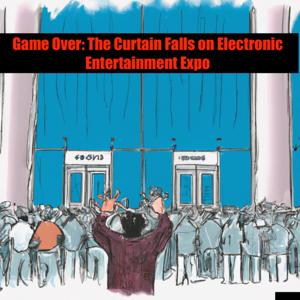
The Game Goes On: What Comes After E3 for the Video Game Industry
When the Entertainment Software Association (ESA) announced terminating its iconic Electronic Entertainment Expo (E3) late last year after 28 consecutive seasons anchoring June video game news cycles, uncertainty erupted around what fills the calendar void left abandoning gaming’s glitzy misconduct venue and hype-driving promotional engine that long set industry rhythms between splashy console war hardware cycles.
While pandemic aftershocks canceling recent live E3 editions accelerated existential reassessment about maintaining such concentrated spectacles, many insiders and fans cling to once-reliable fond nostalgia bonding players and developers each year within pre-internet era traditions struggling to reconcile social media fragmentation.
But the multibillion-dollar interactive entertainment industry boasts no shortage of creative visionaries and opportunistic upstarts ready to launch evolution beyond the defunct Los Angeles convention hosting nearly 70,000 at its raucous apex once dominating summer digital attention spans. The post-E3 era guides marketing, community and revelation now demands fresh perspectives from disenchanted developers, underestimated audiences and unleashed competitors.
Impatient Publishers Won’t Wait Lest any mourn the excitable June showcase as irreplaceable, know that months preceding the official E3 termination declaration already witnessed major publishers reorienting promotional vehicles respecting neither sacred industry calendar cycles nor showmanship conventions.
Behemoth Activision Blizzard captivated millions last September by committing previously unprecedented marketing resources for a mobile title reveal by confirming a full “Call of Duty Warzone Mobile” title extending its shooter empire into smartphones and tablets. The company live-streamed a glossy Hollywood-style hype reel interspersing cinematic glimpses between executive interviews touting blockbuster development budgets and eSports ambitions. By forgoing either E3’s stage or the November console launch traditional for its next multi-platform push bridging PC, consoles and mobile, they signaled confidence that direct audience engagement supersedes trade venues.
This digital-first route aligns with ongoing industry erosion at Gamescom, E3’s German equivalent facing similar existential scrutiny over providing faltade rather than utility given audience fragmentation. Activision also avoids pesky event safety troubles like stampedes from overpacked halls that previously imperiled cancelled Cologne conventions demonstrating risks around crowding too many under one roof.
Ubisoft Entertainment soon followed suit announcing Assassins Creed Mirage via a streamed global "UBI Forward” showcase allowing more refined pacing and inclusion than the rushed E3 exhibits game makers traditionally endured grumbling. Though a staple most years, the French company recognizes digital presentation li
This content was created in partnership and with the help of Artificial Intelligence AI.