
Sign up to save your podcasts
Or

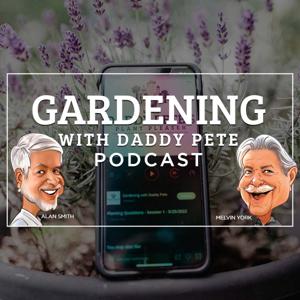


November is a great time to keep gardening. Melvin and Jay share practical seasonal tips for pruning, planting trees and shrubs, refreshing, raised beds, and choosing seeds for next spring.
In this episode of Gardening with Daddy Pete, learn when to prune deciduous trees and shrubs, why you should avoid pruning spring-blooming azaleas and camellias now, and how much of a plant's canopy to remove at one time. They also explain how to space border trees, choose planting spots away from foundations and power lines, and select trees and shrubs that add color through winter.
The conversation covers fruit trees and berries, dogwood varieties, ornamental shrubs, planting mix, and why fall is a smart time to prepare raised beds before spring. Plus, Melvin and Jay discuss buying heirloom or open-pollinated seeds and storing them for the next growing season.
Find Daddy Pete's products, gardening resources, and the soil square footage and yardage calculator at www.daddypetes.com. Have a gardening question? Send it in through the website.
#Gardening #NovemberGardening #PruningTips #TreePlanting #HeirloomSeeds
Can online popularity make someone a trustworthy authority on Scripture? In Part 2 of this discussion, Alan Smith and Jeff Rowland examine the growing debate over Jesus and Paul, and why Christians need to test online teaching against the Bible.
A large following, confident delivery, or compelling exposé doesn't establish theological authority. Alan and Jeff discuss the role of local church accountability, the risks of relying on internet influencers for biblical interpretation, and the Bereans' example in Acts 17:11: listen carefully, then examine the Scriptures.
They also consider why Paul's writings belong within the progressive revelation of Scripture, and how believers can discern God's direction for their own lives. The conversation turns to Paul's journey to Jerusalem in Acts 20, the counsel he received, and the difference between hearing advice and knowing what God has called you to do.
Join the conversation, study the passages for yourself, and consider where you're getting your understanding of Scripture.
#TheSmithAndRowlandShow #BiblicalTeaching #ChristianDiscernment #ApostlePaul #BibleStudy
Get your garden ready for fall with practical October tips for lawns, cool-weather vegetables, fruit trees, and landscape plantings.
In Episode 149 of Gardening with Daddy Pete, Melvin and Jay York share what to plant and prepare as temperatures cool. They explain why a soil test should come before lawn seeding or repairs, and how topsoil with composted cow manure can help improve the soil beneath seed or sod.
They also cover cool-season crops you can still plant in early October, including lettuce, greens, cabbage, and onions. For fruit trees and berry bushes, fall is a good time to plant, and the right planting mix can help new roots get established. Plus, learn how to space evergreen border trees properly so they have room for airflow and healthy growth.
The episode also includes fall harvest recipe ideas, upcoming customer appreciation events, and a reminder to check that Daddy Pete's Plant Pleaser name appears on the bag when shopping for products.
Visit https://www.daddypetes.com to explore Daddy Pete's products, sign up for the monthly newsletter, find recipes, or send in a gardening question. Check the website for event details and more October gardening advice.
#OctoberGardening #FallGardening #LawnCare #VegetableGardening #DaddyPetesPlantPleaser
Can skipping fertilizer at planting improve seed germination and reduce insect pressure? In this episode of Gardening with Daddy Pete, Melvin York and Jay York share what they observed in their North Carolina turnip and greens patch, then explain how fertilizer timing can affect plant growth and pest activity.
After years of adding fertilizer before sowing, Melvin tried planting without it. The greens germinated well, and leafhoppers and other pests caused less trouble. The hosts discuss why too much nitrogen early on can lead to rapid, soft leafy growth that attracts insects, and why applying nutrients when plants are ready to use them can make a difference.
They also compare conventional fertilizers such as 10-10-10 with organic options, including fish emulsion, blood meal, bone meal, and composted manure. You'll hear how release rates vary, why soil conditions affect nutrient availability, and how a soil test can guide both fertilizer choice and timing. The conversation also covers raised-bed soil health, cover crops, winter mulch, drainage, pH, and keeping garden notes so you can learn from each season.
Fertilizer needs depend on your soil and the crop, so use a soil test and watch how your plants grow. Too much nitrogen can cause problems, but thoughtful timing and the right amount can support a healthy harvest while helping limit excess fertilizer and runoff.
Find gardening resources, product information, recipes, and more at https://www.daddypetes.com. Share your questions and garden observations with the Daddy Pete's team.
#Gardening #OrganicGardening #GardenFertilizer #PestControl #DaddyPetes
What's really in that bag of compost? The label may say "cow manure," but the ingredients, consistency, and testing process can vary widely.
In Episode 147 of Gardening with Daddy Pete, Melvin York and Jay York explain how to compare bagged compost products and why the source of the manure matters. They discuss the differences between dairy cow manure, beef cattle manure, and horse manure, including concerns about herbicide residues, unwanted materials, and products that contain far less composted manure than shoppers expect.
You'll learn what to check before buying:
* The complete ingredient list
The conversation also covers composting standards, covered composting, garden center products, raised beds, planting mixes, and the importance of choosing the right soil amendment for the plants you're growing. Before spending money on compost or planting mix, turn the bag over, read the ingredients, and check the recommended soil pH for your plants.
Visit https://www.daddypetes.com to learn more about Daddy Pete's products, find a dealer, watch additional gardening videos, and send in your gardening questions.
Next year's garden starts today. Plan ahead, choose your materials carefully, and happy gardening.
#GardeningTips #Compost #SoilAmendments #RaisedBedGardening #DaddyPetes
Are seedless fruits and vegetables genetically modified? Gardening with Daddy Pete examines the difference in Part 1 of this two-part discussion.
Melvin York and Jay York explain why seedless produce is often confused with GMO crops, even though the two terms describe different processes. The conversation covers familiar grocery store varieties, including seedless grapes, cucumbers, citrus, bananas, tomatoes, and watermelon.
You'll learn how some seedless varieties can develop through natural mutations, grafting, or crossbreeding. The episode also explains how seedless watermelon is produced through chromosome pairing that results in sterile seeds. These methods differ from genetic modification, which changes an organism's DNA through biotechnology.
The discussion also considers why people prefer seedless produce, including convenience and eating preferences. However, seedless and sterile varieties raise important questions for gardeners who want to save seeds, grow open-pollinated plants, preserve heirloom varieties, and maintain control over next year's crops.
Melvin and Jay also discuss potential benefits and tradeoffs connected to modified plant varieties, including disease resistance, drought tolerance, sweetness, and nutritional content. Rather than telling viewers what to think, they encourage gardeners to research the subject and make informed choices for their families and gardens.
Part 2 will provide a closer look at the scientific differences between seedless varieties, hybrids, heirlooms, open-pollinated plants, and GMOs.
Visit https://daddypetes.com to find Daddy Pete's Plant Pleaser® products, social media pages, podcast links, gardening resources, the monthly newsletter, and a way to submit questions for future episodes.
#GardeningWithDaddyPete #SeedlessFruit #GMOs #SeedSaving #HomeGardening
Planning a fall garden starts now. Learn which vegetables, berries, grapevines, and flowering bulbs to plant in September, plus the soil and drainage tips that help them thrive.
In this episode of Gardening with Daddy Pete's, Melvin and Jay York cover practical fall gardening advice for the Piedmont and Southeast, including:
* Cold-weather crops such as beets, carrots, onions, radishes, lettuce, spinach, Brussels sprouts, and garlic
The episode also covers pollinator-friendly gardening, companion planting, choosing the right location for each plant, and preparing beds before purchasing new plants. Whether you're adding a few berry bushes, expanding a raised bed, or planning spring flowers, these tips will help you make better planting decisions this fall.
Visit https://www.daddypetes.com to learn more about Daddy Pete's products, subscribe to the monthly newsletter, submit gardening questions, and find the podcast and social media links.
#FallGardening #BerryGardening #RaisedBedGardening #BulbPlanting #DaddyPetes
Food recalls can affect what's in your refrigerator, pantry, medicine cabinet, and even your garden plans. In Episode 144 of Gardening with Daddy Pete, Melvin York and Jay York explain how the USDA and FDA handle recalls, what each agency regulates, and how you can receive updates directly from official sources.
You'll learn the difference between the USDA's role in meat, poultry, processed egg products, and livestock production, and the FDA's role in foods, medications, medical devices, bottled water, cosmetics, tobacco products, and more. The discussion also covers common reasons for recalls, including Salmonella and E. coli outbreaks, undeclared allergens, foreign objects such as metal or glass, incorrect labeling, uninspected products, and food imported from an unapproved source.
Use these official websites to search current recalls and sign up for email alerts:
USDA Food Safety and Inspection Service recalls:
https://www.fsis.usda.gov/recalls
FDA recalls:
https://www.fda.gov/safety/recalls
Melvin and Jay also discuss how the FDA, USDA, CDC, and EPA work together on food safety issues, including livestock feed, disease outbreaks, biotechnology, genetically engineered foods, and lab-grown meat. They share why checking recall notices regularly can help protect your household and why buying from trusted local farmers remains an important option.
The episode also introduces Amber Waves, a USDA publication with information about farming, food production, imports, exports, and rural development.
For gardening products, farm resources, newsletters, podcasts, and more, visit Daddy Pete's Plant Pleaser® at:
https://www.daddypetes.com
Subscribe for more conversations about gardening, food safety, sustainable growing, and practical ways to help your family grow and eat with confidence.
#FoodRecalls #FoodSafety #GardeningWithDaddyPete #USDA #FDA
Victory gardens helped families grow food, preserve scarce resources, and support the war effort. In this episode of Gardening with Daddy Pete, Melvin and Jay York explain what those gardens can teach us about growing food today.
The conversation looks back at World War I war gardens and the World War II victory garden movement, when households across the United States planted vegetables and fruit to support troops overseas, feed workers at home, and reduce pressure on rationed supplies. They discuss how small urban spaces, backyard plots, patios, and narrow strips of land could produce useful harvests.
You'll also hear how families preserved food through canning and drying, why freezing wasn't widely available for many households at the time, and how victory gardens supported nutrition during the war. The episode also covers overseas gardens, children who helped send seeds to prisoners of war, and two historic victory garden sites that still produce food today.
Melvin and Jay then connect these lessons to modern gardening. Growing your own food can give you better control over what you eat, help you share fresh produce with neighbors, and make productive use of limited space. They also introduce Plant a Row for the Hungry and the USDA People's Garden, two programs that help communities grow and share food.
Whether you have a large backyard, a raised bed, a patio, or only a few containers, this episode offers practical reasons to start growing. Learn how the victory garden movement shaped American gardening and why its message still matters in 2026.
Visit Daddy Pete's Plant Pleaser for composted cow manure and soil amendments:
https://www.daddypetes.com
Follow Daddy Pete's Plant Pleaser® on YouTube, Facebook, and Instagram for more organic gardening information.
#VictoryGardens #OrganicGardening #HomeGardening #GardeningWithDaddyPete #GrowYourOwnFood
From the publisher's feed
Join Alan Smith, Melvin York, and Jay York as they cover a variety of gardening topics and answer your gardening questions.