
Sign up to save your podcasts
Or

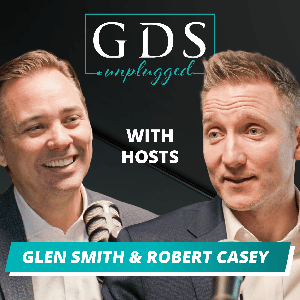


About This Episode:
Ask someone in their 30s how they're doing financially, and the answer often comes down to one thing: income. The raise, the promotion, the bigger paycheck. But according to Glen Smith, Founder, CEO & CIO of GDS Wealth Management, and Robert Casey, Senior Vice President & Cofounder, that's exactly the wrong way to measure success — and it's the single biggest mistake they see people in their 30s make.
In this episode of GDS Unplugged, Glen and Robert dig into why rising income gets confused with financial progress, and what actually separates people who build wealth from people who just look like they have it.
What Should You Take Away From This?
Income is not net worth. A rising paycheck feels like progress, but without saving behind it, it's just a bigger number flowing through, not building up.
Time is the scarcest resource, not money. Saving in your 30s gives money decades to compound; waiting until your 40s or 50s means saving far more to catch up, with less time for growth to help.
You can have anything, not everything. Even wealthy clients make trade-offs. Knowing what matters most to you is what makes sustainable spending possible.
Fixed expenses are the real risk. Variable spending (eating out, subscriptions) can flex in a downturn. A second home or an oversized car payment can't — it locks you in regardless of what happens to your income.
Disclosures:
GDS Wealth Management ("GDS") is an SEC-registered investment adviser. Registration does not imply a certain level of skill or training. This episode is for general educational purposes and reflects the speakers' opinions as of the date of recording, including statements about other advisers; it is not individualized investment, tax, or legal advice. Investing involves risk, including loss of principal. Examples are hypothetical and not predictions of any outcome. Strategies such as Roth conversions and Social Security timing depend on individual circumstances; consult a qualified professional before acting. For more information, including fees and conflicts, visit www.gdswealth.com.
About This Episode:
Ask most people how much they need to retire, and you'll get some version of the same answer: a round number. A million dollars. Two million. Five million. It's the question every retirement conversation seems to start with, and according to Glen Smith, Founder, CEO & CIO of GDS Wealth Management, and Robert Casey, Senior Vice President & Cofounder, it's also the wrong one.
In the latest episode of GDS Unplugged, Glen and Robert unpack why chasing a single "magic number" can set retirees up for a false sense of security, and what a real plan needs to account for instead.
What Should You Take Away From This?
Freedom beats fantasy. A plan isn't a single number or a system; it has to encompass everything that matters to you, not just returns.
Clarity matters as much as the plan itself. Knowing what you're aiming for is what makes it possible to hit it.
Something is better than nothing. Some financial advisors may focus primarily on investment management rather than comprehensive financial planning. Having a plan that is regularly monitored and adjusted as taxes, markets, and life circumstances change can be more beneficial than having no plan at all.
Volatility creates opportunity, if you have a plan for it. The instinct in a downturn is often to pull back further, when a well-built plan and an engaged advisor may see it as a chance to rebalance instead.
Disclosure:
GDS Wealth Management ("GDS") is an SEC-registered investment adviser. Registration does not imply a certain level of skill or training. This episode is for general educational purposes only and is not individualized investment, tax, or legal advice. The views and opinions expressed are those of the speakers, reflect GDS's views as of the date of publication, and are subject to change. Statistics and figures referenced are based on the speakers' general understanding and experience, are not independently verified, and should not be relied upon as fact. Investing involves risk, including possible loss of principal. No financial plan or investment strategy guarantees results or protects against loss in declining markets, including during periods like 2008. Dollar figures, withdrawal rates, and inflation examples are hypothetical illustrations, not projections. References to third parties and individuals are for illustration only. For more information, including fees and conflicts, visit www.gdswealth.com.
About This Episode:
Retirement planning tends to focus almost entirely on the numbers: how much you've saved, what your withdrawal rate should be, when to claim Social Security. Those questions matter. But they don't answer a different question many retirees find themselves asking six months, or six years, into retirement:
Why doesn't this feel the way I thought it would?
In a recent episode of GDS Unplugged, Glen Smith, Founder, CEO & CIO of GDS Wealth Management, and Senior Vice President & Cofounder Robert Casey discussed a framework they have used with clients for more than a decade: retirement isn't a single experience, it's four distinct phases. Each one comes with its own emotional shifts, its own risks, and its own financial planning considerations; and understanding which phase you're in can help put some of the uncertainty into context.
What Should You Take Away From This?
If any of these phases sound familiar, Glen and Robert suggest asking yourself a few questions:
The answers can be just as important as any single number in a financial plan.
Disclosure:
GDS Wealth Management (“GDS”) is an SEC-registered investment adviser. This material is for informational purposes only and is not individualized financial, investment, tax, legal or mental health advice. Retirement experiences vary, and the four phases may not apply to everyone. Client stories are anonymized and illustrative and may not represent all client experiences. Financial plans and retirement outcomes depend on individual circumstances, assumptions and market conditions. Investing involves risk, including loss of principal, and no outcome is guaranteed.
About This Episode:
Financial confidence can look different at every stage of your career. In your 30s, the focus may be on understanding workplace benefits and building wealth. In your 40s, you may be balancing peak earning years with family responsibilities and more complex compensation. As retirement approaches, the focus often shifts toward protecting what you've built and preparing for life after work.
On this episode of GDS Unplugged, Andrew Schmuhl, CFP®, ChFC®, CEPA®, financial advisor at GDS Wealth Management, sits down with Traci Young, a former Stryker employee and experienced HR leader, to discuss financial well-being, workplace benefits, career transitions, and the importance of having a financial plan.
Drawing on roughly 20 years of HR experience, Traci has seen how financial stress can affect employees at every income and career level and why financial confidence often starts with understanding your options.
Watch the full episode of GDS Unplugged to hear Andrew and Traci's complete conversation.
Ready to Take the Next Step?
If you're a current or former Stryker employee and have questions about your benefits, equity compensation, retirement timeline, or broader financial plan, schedule a complimentary consultation with a GDS Wealth Management financial advisor.
You can also explore more financial planning resources on our website to learn more about the financial decisions and opportunities you may encounter throughout your career.
Disclosure:
Traci Young is a current GDS client and was not compensated for participating. Individual experiences vary. GDS is not affiliated with Stryker Corporation, and Traci does not speak for Stryker. For informational purposes only; not personalized advice.
About This Episode:
Choosing a wealth management firm is one of the most important financial decisions you'll make. The right advisor can help you navigate retirement, taxes, investments, estate planning, and major life transitions with confidence. But before evaluating individual advisors, many investors find themselves asking a more fundamental question:
Should I work with a large national wealth management firm or a boutique wealth management firm?
It's a comparison more people are making than ever before. While large Wall Street firms offer recognizable names, decades of history, and extensive resources, independent boutique firms have experienced also become an increasingly prominent part of the wealth management industry, offering personalized advice, transparent fees, and long-term relationships.
In a recent episode of GDS Unplugged, Glen Smith, Founder, CEO & CIO of GDS Wealth Management, and Vice President Robert Casey explored this question from a unique perspective. Having spent more than a decade at a major wirehouse before building an independent, fee-only Registered Investment Adviser (RIA), they shared firsthand insights into the strengths, limitations, and common misconceptions surrounding both models.
Related Resource: If you're researching financial advisors, our companion article takes a deeper look at what defines a boutique wealth management firm, how the fee-only fiduciary model differs from many traditional firms, and what to consider before choosing an advisor, read our companion article: Boutique vs. Big Firms: Why a Fee-Only Fiduciary Advisor May Be the Right Choice for You
Continue Learning About Boutique Wealth Management:
If you'd like a deeper look at what sets boutique wealth management firms apart, our companion article explores the differences in service models, ownership structures, fiduciary advice, fee transparency, and the personalized client experience that distinguishes many independent firms from larger financial institutions.
Continue Reading: Boutique vs. Big Firms: Why a Fee-Only Fiduciary Advisor May Be the Right Choice for You
Disclosure:
GDS Wealth Management (“GDS”) is an SEC registered investment adviser. Registration does not imply a certain level of skill or training. This podcast is for informational and educational purposes only and is not intended as personalized investment, tax, or legal advice. Statements regarding boutique and large wealth management firms reflect general opinions and personal experiences; firms vary in their services, resources, fees, compensation arrangements, conflicts, and regulatory obligations. References to client experiences may not be representative of other clients, and no compensation was provided for any quoted statements. Investing involves risk, including the possible loss of principal. Market timing and other investment decisions should be evaluated based on each investor’s individual circumstances. For more information about GDS’s services, fees, conflicts, and disclosures, please visit www.gdswealth.com.
About This Episode
In this episode of GDS Unplugged, Glen Smith and Robert Casey address one of the financial profession’s most uncomfortable questions: Why do so many people distrust financial advisors?
They discuss product sales, commissions, unclear fees, performance expectations, and recommendations that were not always centered on the client. They also explain what a valuable advisory relationship should provide instead: transparency, thoughtful planning, empathy, and consistent follow-through.
The point is not that every advisor is untrustworthy. It is that trust should be earned, not assumed simply because someone has a title.
For high-income investors, an advisor may make sense when the relationship brings clarity, coordination, discipline, and sound judgment to a financial life that has become too complex to manage casually.
Watch the Full Episode
This overview captures the main themes, but the full conversation goes deeper into sales incentives, financial scars, fees, performance promises, artificial intelligence, comprehensive planning, and the emotional weight people bring into an advisor’s office.
Watch the complete episode of GDS Unplugged to hear Glen Smith and Robert Casey discuss what has damaged trust, and what financial advice should look like going forward.
Also, explore additional resources in The Wealth Brief Learning Center.
If you would like to discuss your situation in more detail, you can schedule a complimentary consultation.
Disclosure
GDS Wealth Management (“GDS”) is an SEC registered investment adviser. Registration does not imply a certain level of skill or training. The views expressed are those of the speakers as of the recording date and may change. This podcast is for informational and educational purposes only and is not personalized investment, legal, accounting, or tax advice or a recommendation to buy or sell any security or pursue any strategy. Client examples and planning outcomes are illustrative, may be anonymized, and are specific to the circumstances described. Results will vary, and no outcome is guaranteed. Any client statement reflects that client’s individual experience, may not be representative of others, and was not compensated. Investing involves risk, including possible loss of principal. Consult your investment, legal, and tax professionals regarding your circumstances. Additional information about GDS’s services, fees, and conflicts of interest is available in its Form ADV at adviserinfo.sec.gov. For more information about GDS, please visit www.gdswealth.com.
About This Episode
In this episode of GDS Unplugged, Robert sits down with Victoria Geiger, a Certified Financial Planner® with GDS Wealth Management, to talk about one of the most personal parts of financial planning: marriage and money.
Victoria walks through eight conversations couples should have before and after marriage, from combining accounts and managing spender-saver tension to second marriages, beneficiaries, estate planning, and prenuptial agreements.
The heart of the conversation is simple: the earlier couples talk honestly about money, the better prepared they are to build a life together.
Watch the Full Episode
The full episode goes deeper into the real-life stories behind these topics.
Watch the complete episode of GDS Unplugged to learn how to approach marriage and finances with more clarity, honesty, and confidence. Also, explore additional resources in The Wealth Brief Learning Center.
If you would like to discuss your situation in more detail, you can schedule a complimentary consultation.
Disclosure
GDS Wealth Management is a registered investment adviser. Registration does not imply a certain level of skill or training. This podcast is provided for informational and educational purposes only and should not be construed as investment, legal, tax, or estate planning advice, or as a recommendation to buy or sell any security or adopt any particular investment strategy. The views and opinions expressed by the speakers are their own as of the date of recording, are subject to change without notice, and are intended for general informational purposes only. The information discussed may not be applicable to every individual's circumstances. Any examples discussed are for illustrative purposes only, have been anonymized where appropriate, and are not representative of all client experiences or future results. Tax laws, retirement plan limits, and estate planning rules are subject to change. Please consult your financial, legal, tax, or other professional advisers regarding your individual circumstances before implementing any strategy discussed. For additional information about GDS Wealth Management, including its services, fees, and Form ADV, please visit adviserinfo.sec.gov.
About This Episode:
Gina Mullen, founder of the Gina Mullen Realty Group, joins Robert Casey for a practical conversation on the seller side of today’s real estate market.
Gina brings a unique background to real estate. Before building her real estate business, she spent more than 20 years in the legal industry, including time running a high-volume litigation department. That experience shaped the way she thinks about contracts, disclosure, negotiation, documentation, and the small details that can become major problems if they are missed.
In this GDS Unplugged episode, Gina walks through what sellers need to understand before listing a home, why preparation matters more in the current market, and how preparation and planning may help sellers navigate the process more effectively.
Watch the Full Episode:
This overview captures the highlights, but the full conversation goes deeper into inspections, seller disclosure, pricing strategy, buyer behavior, agent selection, and the mindset sellers need in today’s real estate market.
Watch the complete conversation with Gina Mullen to hear the stories, examples, and practical guidance behind selling a home with more clarity and fewer surprises.
Disclosure:
GDS Wealth Management is an SEC-registered investment adviser. Registration does not imply a certain level of skill or training. This podcast is for informational and educational purposes only. The views and opinions expressed are those of the speakers and are subject to change. Nothing discussed should be construed as investment, legal, tax, mortgage, insurance, or real estate advice. Real estate markets and economic conditions change over time, and no future results or outcomes are guaranteed. Please consult your professional advisors regarding your specific situation.
About This Episode:
Entrepreneur, EOS Implementer, business coach, and Rocket Fuel co-author Mark C. Winters joins Glen Smith for a conversation on leadership, accountability, business growth, and the challenges entrepreneurs face as their companies evolve.
Mark's path to entrepreneurship did not begin with a startup. It began at Procter & Gamble, where he was quickly moving up the corporate ladder. After a difficult experience with management that challenged his assumptions about the future he had planned for himself, he began exploring entrepreneurship. That decision ultimately led him to start, buy, or help build more than 15 companies.
Today, Mark is one of the most recognized voices in the Entrepreneurial Operating System (EOS) community. In this episode, he shares lessons from decades of business ownership, coaching, and leadership development, along with practical insights from his books Rocket Fuel and The Visionary.
Watch the Full Episode:
This overview highlights some of the biggest lessons from our conversation, but the full episode dives deeper into entrepreneurship, EOS, leadership teams, accountability, delegation, and the relationship between visionaries and integrators.
Watch the complete conversation with Mark C. Winters to hear the stories, lessons, and leadership insights behind building a business that lasts.
Disclosure:
GDS Wealth Management ("GDS") is an SEC-registered investment adviser. Registration does not imply a certain level of skill or training. Mark C. Winters is not a client of GDS and is compensated by GDS for consulting services. His participation in this content should not be construed as a testimonial, endorsement, or recommendation of GDS or its advisory services. The views and opinions expressed are those of the speaker and may not reflect the views of GDS. This content is provided for informational and educational purposes only and should not be construed as investment, legal, tax, accounting, business, or other professional advice. References to EOS®, Rocket Fuel®, The Visionary®, and other third-party products, services, organizations, or publications are provided for informational purposes only and do not constitute an endorsement by GDS. Investing involves risk, including the possible loss of principal. For additional information regarding GDS's services, fees, and disclosures, please visit www.gdswealth.com.
About This Episode:
Former NFL player, Navy SEAL officer, entrepreneur, and leadership speaker Clint Bruce joins host Glen Smith for a wide-ranging conversation on hardship, preparation, leadership, faith, and what it means to steward the time you’ve been given.
From being a fifth-string middle school football player to earning a spot at the Naval Academy, spending time in the NFL, and later becoming a Navy SEAL, Clint’s story is not one of ease. It is a story of choosing the harder path when the harder path is the right one.
Along the way, he shares lessons from football, military service, fatherhood, and business, offering a clear reminder: elite performance is rarely built in dramatic moments. It is built through discipline, humility, curiosity, and countless small decisions made when no one is watching.
Watch the Full Episode:
This overview captures the highlights, but the full conversation includes Clint’s stories from football, SEAL training, 9/11 deployment, fatherhood, leadership, and the people who shaped his life.
Watch the complete conversation with Clint Bruce to hear the humor, conviction, and hard-earned perspective behind one simple charge: run at the hard things.
Disclosure:
GDS Wealth Management is an SEC-registered investment adviser. Registration does not imply a certain level of skill or training. This podcast is provided for informational and educational purposes only and should not be construed as investment, tax, legal, or other professional advice. The views expressed are those of the speakers and may not reflect the views of GDS Wealth Management. All investments involve risk, including the possible loss of principal.
From the publisher's feed
Build wealth. Navigate major life decisions. Stay informed. The Wealth Brief features conversations on investing, retirement, business, leadership, and more, including the flagship series GDS…
39,049 Listeners