
Sign up to save your podcasts
Or

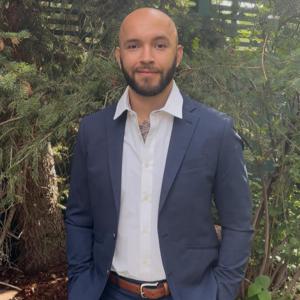


Owning rental properties can build wealth, but what happens when property managers, repairs, and tenants turn a passive investment into another job? What if you could participate in real estate from the lending side instead of owning the property?
Mario Pienaar, founder of Ritsel Notes, joins Austin Johnson to explain his journey from growing up in Namibia to investing in real estate across South Africa, the United Kingdom, and the United States. After years of owning rental properties, Mario began shifting his focus toward mortgage note investing, where investors purchase debt secured by real estate rather than managing the property itself.
We break down how performing, re-performing, and non-performing mortgage notes work, where investors find opportunities, and what goes into evaluating a note before committing capital. Mario explains the importance of borrower payment history, property values, loan-to-value ratios, documentation, servicing, and managing situations where borrowers stop making payments.
For busy professionals and real-estate investors looking to diversify beyond traditional rental ownership, we also discuss self-directed IRAs, private lending, whole-life policy loans, HELOCs, and the differences between owning property and owning mortgage debt. Mario shares how he evaluates geographic risk, structures investor relationships, and approaches building a portfolio around consistent cash flow rather than constant property management.
The conversation comes back to a fundamental question: what are you actually trying to accomplish with your money, and does the strategy fit that goal?
CHAPTERS
0:00 Intro
0:23 Welcome and Mario's background in Southern Africa
2:36 From Namibia to real estate investing in the UK and US
3:50 Discovering mortgage note investing
4:34 The challenges of remote rental ownership and property managers
7:08 Why Mario shifted from rentals toward mortgage notes
7:33 Performing, re-performing, and non-performing notes
9:41 What is a mortgage note, and how does it work?
11:27 Where investors find mortgage notes
14:38 Building a team and evaluating properties remotely
17:01 The three pillars of mortgage note due diligence
19:12 What happens when a borrower stops paying?
21:59 Loan-to-value ratios and protecting capital
22:59 Different ways to invest in mortgage notes
25:59 Monthly payments, cash flow, and investment risk
28:13 Defaults, servicing, and the foreclosure process
30:46 Understanding payment commitments and investor protections
34:16 How often do mortgage notes stop performing?
36:03 Using cash, self-directed IRAs, and other financing tools
37:05 HELOCs, whole life insurance, and the risks of leverage
40:12 Tax differences between mortgage notes and rental properties
41:53 Why Mario is moving more of his portfolio into notes
43:29 Diversifying mortgage notes across states and property types
44:44 Choosing markets and understanding state-level risks
46:04 How changing interest rates affect mortgage notes
48:20 Advice for investors getting started with mortgage notes
50:55 Defining financial goals and learning through Ritsel Notes
52:14 Mario's website, resources, and closing thoughts
CONNECT WITH MARIO
Ritsel Notes:https://www.ritselnotes.com/
Mario Pienaar on LinkedIn: / mario-pienaar
Free 5-Day Become the Bank Challenge:https://qwib.ritselnotes.com/5day-cha...
GENERATIONAL GROWTH
Want to See If Properly Structured Whole Life Fits Your Capital Strategy?
Book a Generational Growth call here:https://calendly.com/austin-generatio...
Want to Learn How Privatized Banking, Policy Loans, and Real Estate Can Work Together?
Start with the Generational Growth Vault here:https://www.generationalgrowthco.com/...
Learn more about Generational Growth:https://www.generationalgrowthco.com/
DISCLAIMER
For educational and informational purposes only; not individualized financial, investment, insurance, tax, or legal advice or an offer to buy or sell securities.
Buying another rental is not the same as building a better rental business. What happens between finding a deal, managing the renovation, and getting the property ready to refinance?
Alfath Ahmed joins Austin Johnson to describe his path from a first duplex to a 30-unit rental portfolio in Columbus, Ohio. The useful part is what happened between those points: financing pressure, an early overpayment, contractor bids, and the decision to slow down and focus on one strategy.
We break down his approach to BRRRR investing: Buy, Rehab, Rent, Refinance, Repeat. The conversation covers defining a buy box, evaluating after-repair value (ARV), building a local team, inspecting hidden repair risks, and adjusting assumptions when financing conditions change. Alfath also explains his Columbus-focused mentorship and distinguishes teaching investors a process from a done-for-you turnkey service.
For busy professionals considering out-of-state rentals, we discuss the work involved, quality versus unit count, and why a refinance or projected cash flow should never be treated as automatic. We also explore portfolio choices, life-insurance concepts, and coordinating professional expertise around your goals.
CHAPTERS
0:00 Intro
0:24 Welcome and the rental-system conversation
1:39 From engineering to the first duplex
4:10 Discovering the BRRRR method
5:39 Financing pressure on the first BRRRR project
7:44 Slowing down after an early overpayment
9:15 Documenting tasks and building systems
10:38 A Columbus-focused mentorship for out-of-state investors
15:54 Course access, ongoing support, and deal sources
19:37 Quality and occupancy over unit count
20:44 Why Columbus? His market thesis
24:23 What could go wrong as more investors enter?
27:27 Property categories and example deal numbers
31:11 Rehab controls and investor involvement
33:22 Purchase price, after-repair value, and layout
36:53 Inspections, sewer lines, and hidden repair costs
39:37 The learning curve and time commitment
42:32 Adapting the strategy as conditions change
44:07 Lower ARV assumptions and purchase offers
45:50 Wholesaling alongside rental projects
47:20 Matching asset choices to personal goals
51:16 Life insurance and Infinite Banking Concept discussion
53:36 Clarifying the duplex cash-flow example
56:18 Networking and coordinating a professional team
1:01:05 Connect with Alfath and his closing perspective
1:03:39 Exchange and creative-financing ideas to review carefully
CONNECT WITH ALFATH
Alfath's Reafco profile:https://www.reafcorealestate.com/team...
LinkedIn: / alfathahmed
Email:[email protected]
GENERATIONAL GROWTH
Want to See If Properly Structured Whole Life Fits Your Capital Strategy?
Book a Generational Growth call here:https://calendly.com/austin-generatio...
Want to Learn How Privatized Banking, Policy Loans, and Real Estate Can Work Together?
Start with the Generational Growth Vault here:https://www.generationalgrowthco.com/...
Learn more about Generational Growth:https://www.generationalgrowthco.com/
DISCLAIMER
For educational and informational purposes only; not individualized financial, investment, insurance, tax, or legal advice. Guest experiences, portfolio figures, costs, and examples are self-reported, not independently audited or typical-results claims. Real estate involves risk, including loss of capital, vacancy, unexpected repairs, and financing risk. Appraised values, refinancing, cash recovery, rental income, appreciation, and tax benefits are not guaranteed. Course discussion is not an independent endorsement or promise of results. Insurance is subject to underwriting, costs, and policy terms; loans accrue interest, can reduce benefits, and may create tax consequences on lapse or surrender. Consult qualified professionals. No outcomes are guaranteed.
Having capital ready does not mean every real estate deal deserves it. What makes you step back, and what would need to change before you buy again?
Richard Edison joins Austin Johnson to share his path from Wall Street to real estate, the health crisis that prompted a career reset, and why he says he stopped making new property investments when the numbers no longer worked for him. He also acknowledges opportunities missed while waiting.
The conversation follows Richard's move into Austin-area multifamily and land entitlement, how an attractive strategy can become crowded, and what later drew his attention to Florida's Gulf Coast. We discuss a branded condo-hotel ownership model, the importance of local expertise, veteran-network introductions, and the financing and tax questions investors need to take to qualified professionals.
We also explore Richard's views on AI, private equity, interest rates, and liquidity, along with whole-life policy loans and self-directed IRA concepts.
CHAPTERS
0:00 Trailer
0:22 Richard's path from military service to Wall Street
3:42 From transactions to asset management
5:44 A large account and a change in perspective
7:46 A health crisis and a career reset
9:46 Starting again and building a trading firm
12:29 Richard's account of rebuilding after September 11
14:36 Building relationships and exchanging expertise
15:44 His recollection of warnings before the financial crisis
18:49 His view of interest rates and monetary policy
19:39 Moving into Austin-area real estate
21:28 Land entitlement and a strategy that became crowded
24:40 Why he says he stopped buying and returned capital
25:57 What brought his attention to Florida's coast
27:55 Storm recovery and rebuilding constraints
30:18 The Beachmaker condo-hotel ownership discussion
32:27 Financing and tax questions to take to professionals
34:19 Local expertise and veteran-network introductions
38:15 Veteran relationships and community connections
39:36 AI, private equity, and Richard's market outlook
48:48 Banking and bond-risk discussion
51:42 Whole life, liquidity, and self-directed IRA concepts
55:38 Connect with Richard and closing thoughts
CONNECT WITH RICHARD
Website & properties:https://richedisonre.com/
Email Richard:[email protected]
GENERATIONAL GROWTH
Want to See If Properly Structured Whole Life Fits Your Capital Strategy?
Book a Generational Growth call here:https://calendly.com/austin-generatio...
Want to Learn How Privatized Banking, Policy Loans, and Real Estate Can Work Together?
Start with the Generational Growth Vault here:https://www.generationalgrowthco.com/...
Learn more about Generational Growth:https://www.generationalgrowthco.com/
DISCLAIMER
For educational and informational purposes only; not individualized financial, investment, insurance, tax, or legal advice or an offer to buy or sell an investment.
What happens when your home sale falls apart just before closing, your belongings are already packed, and you're suddenly facing months of overlapping expenses? Having retirement savings doesn't always mean having access to money when you need it.
Andrew Tenenbaum, a former A-10 fighter pilot, commercial airline pilot, and founder of Blue Skies Independent Capital, joins Austin Johnson to discuss how his military career shaped his approach to money and financial planning. Andrew shares how a failed home sale during his transition out of the military put his finances under pressure, and how access to cash value through whole-life policy loans helped him manage the situation without being forced into a rushed sale.
The conversation also explores Infinite Banking, the importance of liquidity outside retirement accounts, choosing the right insurance practitioner, whole life versus indexed universal life, and why financial discipline matters before implementing any strategy. Andrew shares his approach to teaching his children about money, using policy-backed borrowing toward an aircraft purchase, and building wealth around family, purpose, and giving back. The thread throughout: having money on paper and having access to capital are two very different things.
CHAPTERS
0:00 Intro
2:22 Starting with your why: what is money for?
3:25 Choosing the right Infinite Banking practitioner
6:00 Andrew's A-10 career and Infinite Banking journey
8:24 Financial education and military service
11:28 Retirement savings versus accessible capital
12:26 Insurance underwriting during military service
16:24 Why Infinite Banking can be confusing
17:08 Finding a knowledgeable insurance practitioner
20:16 When Andrew's home sale fell apart
22:10 How policy cash value helped during the transition
23:08 Becoming an Infinite Banking practitioner
25:44 Financial independence and supporting a family
28:10 Whole life versus indexed universal life
31:04 Teaching children about money and building wealth with purpose
33:36 Using policy-backed borrowing toward an airplane
35:11 Understanding the process before buying a policy
38:13 Financial discipline and responsible policy use
41:06 Why Infinite Banking resonates with pilots
42:19 Capital allocation and financial flexibility
45:35 Using different financial tools together
46:48 Policy loans, business expenses, and tax questions
50:01 Andrew's resources and closing thoughts
CONNECT WITH ANDREW
Blue Skies Independent Capital:https://www.blueskiesic.com/
Andrew's YouTube Channel: / @andrewtenenbaum
GENERATIONAL GROWTH
Want to See If Properly Structured Whole Life Fits Your Capital Strategy?
Book a Generational Growth call here:https://calendly.com/austin-generatio...
Want to Learn How Privatized Banking, Policy Loans, and Real Estate Can Work Together?
Start with the Generational Growth Vault here:https://www.generationalgrowthco.com/...
Learn more about Generational Growth:https://www.generationalgrowthco.com/
DISCLAIMER
For educational and informational purposes only; not individualized financial, investment, insurance, tax, or legal advice or an offer to buy or sell securities. Whole-life insurance involves premiums, underwriting, policy design considerations, and costs. Policy loans accrue interest and may reduce available cash value and death benefits. Tax treatment depends on individual circumstances and applicable law. Consult qualified professionals before making financial decisions.
A rising real estate market can make a good result look like proof of investing skill. What happens when the market stops doing the work for you?
Gord Lemon, co-founder of REI Institute, joins Austin Johnson to share the early deals that changed how he approached real estate. After making money on new-build purchases, Gord doubled down, the local market turned, and he lost money on two properties. His takeaway: he had been speculating, not investing the way he thought he was.
From there, we explore cash-flow analysis, tenant-management systems, the opportunity cost of doing every repair yourself, and what investors should expect from the people on their team. Gord also discusses his training for real estate agents, the questions he asks about rental markets, and why a client's long-term goals should shape the conversation beyond the next transaction.
For investors, busy professionals, and agents, the thread is practical: understand the numbers, build the right relationships, and consider whether the work your properties require fits the life you want to build.
CHAPTERS
0:00 From music to a first real estate deal
5:53 Doubling down before the market turned
6:56 Investor or speculator? The lesson from losing money
9:56 Why investors need the right real estate team
11:27 An investor-focused agent does more than send listings
17:45 Building tenant-management systems
20:58 Mortgage lengths, leverage, and cash flow
23:25 What music production taught Gord about systems
26:17 How Gord approaches tenant screening
28:13 Control, diversification, and market cycles
30:55 When to sell and redeploy capital
32:11 Invest where the numbers make sense
34:49 The opportunity cost of doing everything yourself
37:12 Jobs, migration, and choosing a rental market
38:48 Inside Gord's investor-focused agent training
40:23 Building a team of specialists
43:32 Better client conversations and long-term goals
46:38 Values, service, and referrals
48:19 Off-market deals and the commercial handoff
49:44 Gord's overview of a private-lending risk tool
52:37 Connect with Gord and REI Institute
53:20 Final thoughts on real estate and retirement
CONNECT WITH GORD
REI Institute:https://www.rei.institute/
Book a conversation with REI Institute:https://calendar.rei.institute/
Email Gord:[email protected]
GENERATIONAL GROWTH
Want to See If Properly Structured Whole Life Fits Your Capital Strategy?
Book a Generational Growth call here:https://calendly.com/austin-generatio...
Want to Learn How Privatized Banking, Policy Loans, and Real Estate Can Work Together?
Start with the Generational Growth Vault here:https://www.generationalgrowthco.com/...
Learn more about Generational Growth:https://www.generationalgrowthco.com/
DISCLAIMER
For educational and informational purposes only; not individualized financial, investment, insurance, tax, or legal advice. Experiences and examples are personal accounts, not typical results or guarantees. Real estate and private lending involve risk, including loss of capital; leverage can magnify losses as well as gains. Financing, taxes, landlord obligations, tenant screening, and referral arrangements depend on jurisdiction and individual circumstances. Guest programs and tools are discussed, not independently endorsed or validated. Insurance is subject to underwriting and policy terms; policy loans accrue interest and can reduce benefits. Consult qualified professionals before acting. No outcomes are guaranteed.
Saving for the next rental can feel like starting over after every purchase. That was the cycle I wanted to change: work, save for a down payment, buy a property, and rebuild the cash again.
I joined host Issa Hanna on Investor Fuel’s Real Estate Pros Show for this featured conversation, shared here on Generational Growth. We talk about my shift toward turnkey real estate, how I use high-cash-value whole life insurance within my capital strategy, and what family-office principles can mean for families who aren’t billionaires.
We also get into the property that showed me my investing approach wasn’t aligned with my goals, finding the right mentors, and why values should come before choosing a strategy. For me, building wealth connects to having more capacity to support my family, the jiu-jitsu community, and the disabled community. The point isn’t just the next property. It’s understanding what you’re building toward and who you want it to help.
Chapters
00:00 The Down Payment Savings Trap
00:56 Introduction to Austin Johnson
02:37 Building Wealth Through Real Estate
03:54 From 1 to 5 Properties Per Year
06:16 The Rockefeller Family Banking Strategy
07:59 Financial Education and Finding Mentors
09:43 Interest Rates and Real Estate Financing
11:04 Real Estate Mistakes and Lessons
12:26 Protecting Generational Wealth
14:24 Building Your Real Estate Network
15:34 Connect With Austin Johnson
Generational Growth
Want to See If Properly Structured Whole Life Fits Your Capital Strategy? Book a Generational Growth call here:
https://calendly.com/austin-generationalgrowthco/30min
Want to Learn How Privatized Banking, Policy Loans, and Real Estate Can Work Together? Start with the Generational Growth Vault here:
https://www.generationalgrowthco.com/vault-start
Learn more about Generational Growth:
https://www.generationalgrowthco.com/
Connect With Austin
YouTube: https://www.youtube.com/@itsaustinjohnson
Instagram: https://www.instagram.com/itsaustinjohnson/
LinkedIn: https://www.linkedin.com/in/austin-johnson-45618018b/
Original Show and Episode
Originally featured on Investor Fuel’s Real Estate Pros Show with host Issa Hanna. Thank you to Issa and the Investor Fuel team for the conversation.
Watch the original episode:
https://www.youtube.com/watch?v=ddxDhjVHUaU
Read the original episode notes:
https://investorfuel.com/real-estate-pros-show/how-a-west-point-grad-uses-whole-life-insurance-to-scale-real-estate-austin-johnson/
Disclaimer
For educational and informational purposes only; not individualized financial, investment, insurance, tax, or legal advice.
Before you accept that a private real estate investment is "safe," ask: safe compared to what? Understanding the downside matters when the money represents years of work and your family's future.
Steve Haskell of Anchor1031 joins Austin Johnson to connect lessons from military intelligence with the questions investors should ask before committing capital. They discuss risk, 1031 exchanges, Delaware Statutory Trusts (DSTs), and why stepping away from landlord duties does not mean stepping away from investment risk.
The conversation also explores family trade-offs after military service, whole-life policy design and incentives, and how trust and service carry from the jiu-jitsu gym into business. The thread throughout: understand what you are taking on, who you are working with, and how it fits the life you want to build.
CHAPTERS
0:00 Intro
1:33 Shared values: military service and jiu-jitsu
3:37 Steve's military intelligence background
4:29 Earning trust through reliability
8:34 Rank, skill, and respect on the mats
11:56 Kids' jiu-jitsu and competition
13:52 Why Steve joined the military
16:04 Why communication matters in high-stakes decisions
19:20 Finding a path into finance
21:15 Family trade-offs and military transition
22:51 Bringing risk assessment into investing
25:22 Moving into private real estate
27:46 1031 exchanges and DST portfolios
30:33 Teaching investors to ask about downside
32:32 Whole life, policy design, and incentives
35:04 Client service and jiu-jitsu referrals
35:54 Coordinating a family's financial team
37:15 Who considers passive real estate?
39:30 Oil, gas, and retirement-account questions
42:28 Different structures, different risks
44:17 DSTs, tax treatment, and trust structures
47:45 Steve's resources and future conversations
CONNECT WITH STEVE
Anchor1031:https://anchor1031.com/
GENERATIONAL GROWTH
Want to See If Properly Structured Whole Life Fits Your Capital Strategy?
Book a Generational Growth call here:https://calendly.com/austin-generatio...
Want to Learn How Privatized Banking, Policy Loans, and Real Estate Can Work Together?
Start with the Generational Growth Vault here:https://www.generationalgrowthco.com/...
Learn more about Generational Growth:https://www.generationalgrowthco.com/
DISCLAIMER
For educational and informational purposes only; not individualized financial, investment, insurance, tax, or legal advice or an offer to buy or sell securities.
Leaving the military can mean losing the team, structure, and everyday support you relied on. How do you rebuild that support while deciding what comes next?
Frank Yeager, co-founder of the Veteran-Owned Business Network, joins Austin Johnson to discuss veteran entrepreneurship, meaningful connection, and the gap between a resource existing and someone actually getting help. Frank shares the thinking behind VOB's directory and business incubator, along with his vision for local squads built around support and accountability.
The conversation also connects veteran business ownership with accessibility, aging in place, and the need to coordinate financial and estate-planning conversations around the people they are meant to support. For veterans, business owners, and families, the common thread is building a team and a plan rather than trying to solve every problem alone.
CHAPTERS
0:00 Why Frank started VOB Network
2:39 The veteran-support gap that motivated him
4:51 Connecting financial goals to community impact
8:11 Starting a nonprofit takes more than paperwork
10:49 How the network began growing
12:05 Military transition and the business incubator
16:23 Trust, belonging, and finding your people
19:00 Connecting the networks and resources already out there
22:25 Local squads and accountability after service
25:41 Accessibility and aging in place
31:14 Family-office thinking for everyday families
32:27 Whole life and family-capital concepts
35:35 Aging parents and fragmented family resources
39:11 Why Austin changed his financial approach
41:12 Books, financial history, and the 2008 discussion
43:36 Commercial real estate and market uncertainty
46:00 Liquidity and the policy-loan discussion
50:59 Connect with Frank and VOB Network
GENERATIONAL GROWTH
Want to See If Properly Structured Whole Life Fits Your Capital Strategy? Book a Generational Growth call here:https://calendly.com/austin-generatio...
Want to Learn How Privatized Banking, Policy Loans, and Real Estate Can Work Together?
Start with the Generational Growth Vault here:https://www.generationalgrowthco.com/...
Learn more about Generational Growth:https://www.generationalgrowthco.com/
CONNECT WITH FRANK
Veteran-Owned Business Network:https://vobnetwork.org/
Frank Yeager on LinkedIn: / frank-yeager-2508ab2a
DISCLAIMER
For educational and informational purposes only; not individualized financial, investment, insurance, tax, legal, benefits, or medical advice. Views and examples reflect the speakers' experiences and opinions. No funding award, investment return, or insurance benefit multiple is guaranteed. Insurance guarantees are contract-specific; policy loans accrue interest and can reduce available value and death benefits. Tax, probate, creditor-protection, and Medicaid rules depend on individual facts and applicable law. Peer support does not replace licensed mental health care. Consult qualified professionals about your circumstances.
Getting into rental real estate with limited cash can mean bringing more time, renovation work, and financing partners to the deal. But what happens when the property needs repairs you did not anticipate?
Britton Eads joins Austin Johnson to share his path from working in his family's fencing business to buying and renovating small multifamily rentals. Starting with his account of a $70,000 duplex, Britton walks through family funding, private money, refinancing, and the work behind his acquisitions.
We discuss finding properties on Zillow, doing renovations yourself versus hiring a crew, and why the income you want from real estate should connect to the life you want outside it. Britton also shares the inspection lessons he would give his younger self, while Austin explains how working with a team changed his own approach.
This is a conversation about capital, due diligence, and the tradeoffs behind a growing rental portfolio, not a shortcut to effortless passive income.
CHAPTERS
0:00 From fencing to the first duplex
2:18 Education and the first down payment
3:44 The FHA fourplex and paying for a community
6:01 Funding seven units with private money
8:22 Why family time mattered more than more work
9:18 Finding rental deals on Zillow
11:42 DIY renovations versus hiring a crew
14:26 Using refinancing to fund the next deal
17:59 Cash flow and the reinvestment plan
19:03 YouTube views versus the right audience
21:11 Building a business beyond hands-on rehabs
23:39 Inspections and repairs he did not anticipate
26:43 Turnkey markets and working with a team
28:55 Cash flow, appreciation, and debt paydown
32:04 Capital allocation and market uncertainty
36:02 Connect with Britton and closing
GENERATIONAL GROWTH
Want to See If Properly Structured Whole Life Fits Your Capital Strategy?
Book a Generational Growth call here:https://calendly.com/austin-generatio...
Want to Learn How Privatized Banking, Policy Loans, and Real Estate Can Work Together?
Start with the Generational Growth Vault here:https://www.generationalgrowthco.com/...
Learn more about Generational Growth:https://www.generationalgrowthco.com/
CONNECT WITH BRITTON
Britton Eads on YouTube: / @brittoneads
DISCLAIMER
For educational and informational purposes only; not individualized financial, investment, insurance, tax, legal, or lending advice. Guest experiences and figures are self-reported and may be approximate. Refinancing proceeds are borrowed funds, not profit; refinancing depends on lender requirements and appraisals. Real estate involves repair, vacancy, financing, and loss risks. Cash flow, appreciation, refinancing, and investment returns are not guaranteed. Insurance products are subject to underwriting and policy terms. Consult qualified professionals about your circumstances.
What can a middle-class family take from a family-office approach to wealth? Start with a question that belongs at every income level: what are we building, and are we preparing our family to carry it forward?
Greg Junge, founder of Money Mindset Academy and author of Teen Money Mindset, joins Austin Johnson for a conversation connecting family wealth, family-office thinking, and financial education at home.
The useful connection is scale. A household does not need the staffing or complexity of a formal family office to become more intentional about shared goals, financial decisions, and the lessons children learn about money. For a working family, that can begin with regular conversations about priorities, spending, saving, and giving, with room for questions and age-appropriate participation.
Greg’s financial-education work brings the next generation into that picture. Building family wealth means thinking about the knowledge, judgment, and values that accompany the assets, not just the amount that might eventually be passed down.
For parents, employees, and business owners, the question is practical: how can your family’s everyday money conversations support the future you want to build together?
CONNECT WITH GREG
Greg Junge on LinkedIn: / gregjunge
Teen Money Mindset:https://www.moneymindsetacademy.com/teen
Parent Money Mindset:https://www.moneymindsetacademy.com/p...
Money Mindset Academy and Family Resources:https://www.moneymindsetacademy.com/
GENERATIONAL GROWTH
Want to See If Properly Structured Whole Life Fits Your Capital Strategy?
Book a Generational Growth call here:https://calendly.com/austin-generatio...
Want to Learn How Privatized Banking, Policy Loans, and Real Estate Can Work Together?
Start with the Generational Growth Vault here:https://www.generationalgrowthco.com/...
Learn more about Generational Growth:https://www.generationalgrowthco.com/
DISCLAIMER
For educational and informational purposes only; not individualized financial, investment, insurance, tax, or legal advice. A family-office mindset refers here to principles of organization, communication, and long-term planning, not a recommendation to establish a formal family office. Financial decisions depend on individual circumstances; no outcomes are guaranteed. Insurance products are subject to underwriting and policy terms.