
Sign up to save your podcasts
Or

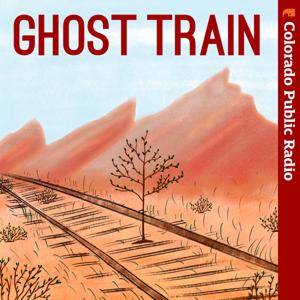


After the lessons of rail, the Denver region might just be ready to move into a bus-centric transit future that better addresses climate change, air quality, and inequity. But there's one unfulfilled promise standing in the way: the Boulder train. Is it time for locals to let that go, or is there hope on the horizon? Part 4 of 4.
The Denver metro area's rail system mostly neglects the dense, walkable parts of the city. Why is that? And now, after we've spent decades prioritizing freedom in how we get around, is it time to change the way we live? Part 3 of 4.
Sam Chesser loved the transit system when he visited New York City. So Sam, like many voters, supported a vision he thought would make his beloved hometown, Denver, just as accessible. That allowed transit planners to spend billions of dollars laying rail track. But almost two decades later, who actually uses it? Part 2 of 4.
With a brown cloud hovering overhead and a second-place football team, Denver had dreams of becoming a world-class city. But it wasn't until the turn of the millennium that it found a way to get there: trains. Part 1 of 4.
In 2004, Denver-area voters backed one of the most ambitious transit projects in the U.S. This plan called for a sprawling network of new rail lines that would help commuters glide by clogged roadways and transform Denver into a world-class city. But as train lines opened, some uncomfortable truths emerged: The trains aren’t very useful to most people. The trains have done relatively little to shift how people move around the region. And they cost a lot of money.
Denver’s love affair with trains is one of shared dreams and unstoppable personalities. It’s the story of billions of dollars and gleaming new infrastructure for a city on the rise. And for one particular corner of the metro area, it’s a story of disappointment and betrayal.
Ghost Train is the story of how one polluted, traffic-choked city went all in on trains, and what happened when that plan jumped the track.
Nathaniel Minor, the transportation reporter for Colorado Public Radio, has spent years trying to understand this anger, what these trains were meant to accomplish and whether they’re succeeding. But this story is about so much more than one train system in Colorado. Because Denver’s not the only place opening new rail lines. Cities all across America are turning to rail to face down big issues like climate change, traffic and inequity.
Ghost Train from CPR News starts Feb. 8. Subscribe now so you don’t miss an episode.
From the publisher's feed
Ghost Train is a unique podcast miniseries from Colorado Public Radio about the people with a vision for a greener transportation system in Colorado, the challenges that kept much of that plan from becoming successful and the ideas that might help the region move forward. Hosted by CPR News transportation reporter Nathaniel Minor (“Since Columbine,” “The Taxman”), Ghost Train explores an everyday problem that many American cities face and takes a hard look at the possible solutions.
In 2004, Denver-area voters supported one of the most ambitious transit projects anywhere in the U.S. The plan called for a sprawling network of new rail lines that would let commuters glide by traffic and help transform Denver into a world-class city. But now, an uncomfortable truth has emerged: The train lines aren’t very useful to most people and have done relatively little to shift how they move around the region. And a key route in that network isn’t projected to open until 2050 and will cost at least $1.5 billion to complete. What’s the best path forward as leaders look to ease traffic gridlock and meet climate goals? And will the problems with this ambitious rail package doom other transit projects?

55 Listeners
183 Listeners

4 Listeners
7 Listeners

117 Listeners
111 Listeners

14 Listeners

225 Listeners
33 Listeners

326 Listeners
699 Listeners
56 Listeners
1,583 Listeners
43 Listeners
85 Listeners
370 Listeners
293 Listeners
6 Listeners

43 Listeners