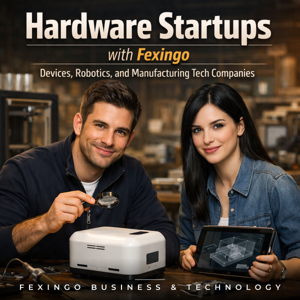
Episode 15 of Hardware Startups with Fexingo looks at how modular design is reshaping hardware startups. Lucas and Luna explore the case of Framework, the laptop company that lets users swap CPUs, batteries, and ports. They discuss how modularity reduces e-waste, speeds up iteration, and creates a new kind of moat—customer lock-in through repairability. The hosts also examine the trade-offs: higher upfront engineering costs, thicker devices, and the challenge of scaling a modular supply chain. Specific numbers include Framework's 40% reduction in material waste and a survey showing 70% of buyers cite repairability as a key factor. The episode argues that for certain categories—laptops, smartphones, e-bikes—modular design is becoming a competitive advantage, not just a sustainability checkbox.