
Sign up to save your podcasts
Or



What makes chocolate compatible with ketogenic, diabetic, and vegan diets?
Dr. Beata Lerman shares her journey as a cancer survivor seeking a diet that avoids feeding cancer cells. She describes developing Sinless Treats chocolate after not finding sugar-free and additive-free options.
Testing with continuous glucose monitors showed her chocolates didn't spike blood sugar in keto, diabetic, or healthy individuals. She details replacing traditional milk with organic grass-fed cream to lower carbohydrates and explains why plant-based milks like oat milk may raise blood sugar. All dark chocolates are vegan, and products cater to multiple dietary needs.
Join the community to discover how food can support wellness, one chocolate at a time!
For more information, visit sinlesstreatschocolate.com or contact [email protected].
Follow Sinless Treats Chocolate on Facebook and subscribe to Heal Me with Chocolate on Apple, Spotify, and wherever you get your podcasts.
Key Takeaways
1. Dr. Beata Lerman shares her personal health journey, including her battle with lymphoma, which led her to adopt a strict ketogenic, sugar-free lifestyle. This prompted her to invent her own healthy chocolate to meet dietary needs unmet by products on the market—laying the foundation for Sinless Treats.
2. The formulation of Sinless Treats chocolate is guided by scientific principles: it’s sugar-free and low-carb to prevent blood sugar spikes. Dr. Lerman recounts her own experiments and third-party lab testing, showing that even large amounts of her chocolate do not impact ketosis or blood sugar, making it suitable for people on ketogenic diets and diabetics.
3. Real-world feedback, including stories from diabetics and people using continuous glucose monitors, confirm that Sinless Treats chocolate can lower or stabilize blood sugar rather than cause spikes. This makes it a unique and safe option for those managing diabetes or metabolic dysfunctions.
4. The company caters not only to keto and diabetic communities, but also to vegans, offering dairy-free dark chocolate. Dr. Lerman educates listeners about why plant-based milk alternatives like oat milk can still spike blood sugar, emphasizing their commitment to honest, health-based ingredients.
5. Dr. Lerman cautions against trusting products heavily marketed as “keto,” especially processed foods, stating that real ketogenic diets are based on whole, unprocessed foods. She urges listeners to be mindful of ingredient quality, focusing on metabolic health over marketing claims.
Timestamped Overview
00:00 Keto-Friendly Chocolate Invention
04:05 "Chocolate's Unexpected Diabetic Benefit"
07:48 "Low-Carb Chocolate Surprise"
10:26 Skeptic's Surprise: Healthy Chocolate Impact
14:11 Oat Milk Sugar Concerns
18:05 "Healthiest Chocolate: Test Our Claims"
See omnystudio.com/listener for privacy information.
What is the difference between bean to bar and tree to bar chocolate?
Dr. Beata Lerman explains the chocolate-making process from cacao farms to finished bars. She discusses how chocolate makers start with whole cacao beans, roasting and refining them, which differs from chocolatiers who use already-made chocolate to create confections. Some chocolate makers work directly with farmers to source beans and handle fermentation methods, placing them between bean to bar and tree to bar approaches.
This episode covers the importance of fermentation, how yeast from banana leaves drives the process, and the impact of roasting on nutrients. Dr. Lerman also highlights why some companies use soy lecithin and what it indicates about chocolate quality.
Join the community to discover how food can support wellness, one chocolate at a time!
For more information, visit sinlesstreatschocolate.com or contact [email protected].
Follow Sinless Treats Chocolate on Facebook and subscribe to Heal Me with Chocolate on Apple, Spotify, and wherever you get your podcasts.
Key Takeaways
1. The episode distinguishes between “bean to bar” and “tree to bar” chocolate. "Bean to bar" refers to chocolate makers who start with whole cacao beans and control each step until the finished chocolate bar. "Tree to bar" goes even further, involving direct relationships with farmers, starting from the cacao tree itself, ensuring greater traceability and authenticity.
2. There’s a crucial difference between chocolate makers and chocolatiers. Chocolate makers transform raw cacao beans into chocolate, mastering processes like roasting and winnowing, while chocolatiers are chefs or artists who use pre-made chocolate to craft confections, bonbons, and sculptures. Rarely do individuals or companies excel at both.
3. Large-scale chocolate production is often disconnected from cacao origins and focuses on mass processing, sometimes sacrificing ethics and quality. Artisanal makers, however, place emphasis on origins, flavor profiles, and ingredient quality, seeking to craft healthier, more authentic products.
4. Ingredient lists reveal quality. Additives like soy lecithin are common in ultra-processed chocolate to achieve shelf stability or emulsification. Truly healthy chocolate typically contains just cacao and perhaps sugar, without unnecessary additives, making it a functional food rather than an ultra-processed one.
5. The craft process—from cacao pod harvest, fermentation (noting the optimal six-day fermentation in the speaker’s method), sun-drying, gentle roasting, to stone grinding—directly impacts flavor and health. Controlled fermentation and minimal processing preserve nutraceuticals, vitamins, and amino acids, yielding chocolate that nourishes beyond taste.
Timestamped Overview
00:00 Chocolate Makers vs Chocolatiers
03:06 "Tree-to-Bar Artisan Chocolate Journey"
08:47 "Chocolate: Apocalypse Food and Emulsifiers"
12:28 Cacao Fermentation's Health Benefits
14:59 "Optimizing Fermentation for Healthier Chocolate"
18:09 Crafting Chocolate the Mayan Way
See omnystudio.com/listener for privacy information.
Why is the type of cacao used in chocolate important for taste, health, and ethics?
Dr. Beata Lerman explains the origins and differences between the main types of cacao, focusing on Cacao Nacional, a rare variety recovered in Ecuador.
Most chocolate relies on Forastero cacao, which is widely grown but offers a different taste profile than Cacao Nacional. Industrial chocolate production often removes cacao butter to sell to other industries, replacing it with other fats, which changes flavor and health qualities. Cacao Nacional grows only in rainforest-like, biodiverse environments and is farmed by collectives dedicated to sustainable methods. These farmers resist pressure to monocrop and avoid pesticides and herbicides, which reduces heavy metals like cadmium and lead.
Dr. Lerman emphasizes the ethical considerations, such as child labor and environmental sustainability. She encourages consumers to ask questions about chocolate origins and support farmers committed to responsible practices.
Join the community to discover how food can support wellness, one chocolate at a time!
For more information, visit sinlesstreatschocolate.com or contact [email protected].
Follow Sinless Treats Chocolate on Facebook and subscribe to Heal Me with Chocolate on Apple, Spotify, and wherever you get your podcasts.
Key Takeaways
1. Cacao is the fundamental ingredient that gives chocolate its distinct flavor. The specific content and quality of cacao butter within the bean is what defines a chocolate’s taste and overall health benefits.
2. There are four main types of cacao—Forastero, Trinitario, Criollo, and Cacao Nacional (Original DNA Cacao). Each has unique genetic backgrounds, flavor profiles, and histories, with Cacao Nacional standing out for its rare, non-bitter, and complex flavor.
3. Cacao Nacional is rare, originally thought extinct, and can only be cultivated in regenerative, rainforest-like environments rather than monocropped plantations. This traditional, cooperative approach supports ecosystem health, soil biodiversity, and yields premium cacao without chemical contamination.
4. Industrial chocolate often substitutes natural cacao butter with oils and uses monocrop farming with heavy pesticides, resulting in contamination with heavy metals like cadmium and lead. Ethically sourced chocolate, especially from small co-ops, avoids these issues, ensuring both higher nutritional value and the fair treatment of farm workers.
5. Consumers should be proactive in questioning the origins, farming practices, and safety of their chocolate. Supporting ethically produced, environmentally friendly chocolate helps maintain both personal health and sustainable livelihoods for cacao farmers.
Timestamped Overview
00:00 Cacao Nacional's Unique Flavor Profile
06:58 Rediscovery of Original Cacao Trees
08:17 Cacao Nacional Farming Practices
11:20 Ecuadorian Farmers Defend Ethical Cacao
15:27 Heavy Metals Contaminate Chocolate
20:01 Cacao Origins and Market Turmoil
See omnystudio.com/listener for privacy information.
What natural sweeteners can be used in chocolate to avoid blood sugar spikes?
Dr. Beata Lerman reviews alternatives to sugar in chocolate making. She discusses how fiber helps slow sugar absorption, resulting in a gentler impact on blood sugar.
By using unprocessed cacao beans and retaining the shell, the chocolate contains more fiber. In its whole plant form, stevia packs a potent sweetness and lack of glycemic impact. Inulin from chicory root, also featured, acts as a prebiotic fiber. Erythritol, sourced from organic apples and pears in France, and allulose, a rare sugar, round out the choices.
Chemical and non-nutritive sweeteners are avoided due to possible health effects and their impact on the liver.
Join the community to discover how food can support wellness, one chocolate at a time!
For more information, visit sinlesstreatschocolate.com or contact [email protected].
Follow Sinless Treats Chocolate on Facebook and subscribe to Heal Me with Chocolate on Apple, Spotify, and wherever you get your podcasts.
Key Takeaways
1. The chocolate made by Dr. Lerman’s company has a gentle lowering effect on blood sugar levels, contrasting with most commercial chocolates. This is attributed to the inclusion of whole cacao beans and natural fibers, as well as the use of alternative sweeteners.
2. Fiber, while not digestible by humans, is crucial for gut microbiome health, which influences overall wellness and even outcomes of serious treatments like chemotherapy. Including fiber in chocolate helps moderate blood sugar and supports gut health.
3. The podcast provides an overview of natural sweeteners used in place of sugar, highlighting their origins, health effects, and specific characteristics. Not all forms of “stevia” or other sweeteners are created equal, and the source and processing method matter for both health and culinary benefits.
4. Chemical and non-nutritive sweeteners such as aspartame, dextrose, and maltodextrin are avoided due to potential health risks, including possible spikes in blood sugar and concerns like carcinogenicity. The emphasis is on natural, plant-derived alternatives.
5. Dr. Lerman stresses transparency in ingredient choices and the value of consumer education. She invites listeners to learn more about how ingredients are sourced and how they affect health, empowering them to make informed food decisions.
Timestamped Overview
00:00 Fiber's Impact on Blood Sugar
03:53 Fiber-Rich Chocolate Innovation
08:39 "Chemically Altered Stevia Explained"
12:37 Erythritol: Misleading Names, True Origins
17:26 Avoiding Harmful Sweeteners and Cacao Talk
18:52 "Exploring Rare Cacao Nacional"
See omnystudio.com/listener for privacy information.
What really happens to chocolate before it lands on your grocery store shelf?
During this episode, you’ll learn what’s inside a common chocolate bar. Dr. Lerman explains how modern chocolate processing removes most cacao butter to sell it for other uses, then substitutes cheaper oils and additives.
The result is a product with hidden sugars, hydrogenated vegetable oils, emulsifiers like lecithin, and little of the original cacao’s benefits. Listeners hear about how sugar and these additives may negatively affect health, including the impact on the liver and the gut. The episode highlights how much added sugar exists in a typical American diet and why it’s so often present in unexpected foods.
Join the community to discover how food can support wellness, one chocolate at a time!
For more information, visit sinlesstreatschocolate.com or contact [email protected].
Follow Sinless Treats Chocolate on Facebook and subscribe to Heal Me with Chocolate on Apple, Spotify, and wherever you get your podcasts.
Key Takeaways
1. Most commercial chocolates, even premium brands, contain long lists of ultra-processed ingredients and hidden sugars. These are added during manufacturing to cut costs, extend shelf life, and make the product addictive, but often at the expense of consumers' health.
2. Sugar, especially in its free (refined) form, can be highly detrimental to health when consumed excessively. It’s metabolized differently depending on the type (glucose vs. fructose), with fructose being harder on the liver, and high sugar intake is linked to inflammation, insulin resistance, and long-term damage to blood vessels and proteins in the body.
3. Traditionally, cacao was consumed as a nutrient-rich, fermented food with multiple health benefits. Modern industrial chocolate production removes the most beneficial component—cacao butter—replacing it with inferior fats, which strips chocolate of its health value and turns it into an unhealthy treat.
4. Once cacao butter is extracted (usually sold to the cosmetic and pharma industries), cheap, highly processed fats and emulsifiers like palm oil, hydrogenated oils, and lecithins are added. These substitutions lead to health risks like inflammation and gut issues due to their unnatural properties and chemical structure.
5. Sugar and additives in processed foods are deliberately used to enhance cravings and drive repeat purchases, not nutrition. There are safer, more metabolically friendly sweetener alternatives, and shifting to these can help break the cycle of sugar dependence and support better health.
Timestamped Overview
00:00 "Unveiling Chocolate's Hidden Truths"
06:00 "Candy Industry's Cacao Butter Swap"
09:52 Lecithins, Sugar, and Gut Health
11:45 Sugar's Impact on Blood Proteins
16:11 "Exploring Sugar Alternatives"
See omnystudio.com/listener for privacy information.
Why would a cancer researcher turn to chocolate as a tool for better health?
Dr. Beata Lerman opens up about her journey from gene therapy and cancer research to developing food as a form of medicine. After being diagnosed with cutaneous T cell lymphoma, she began investigating the relationship between sugar and disease. Her search for healthier options led to cutting sugar and processed foods, a process she describes as challenging.
Finding no chocolate she could eat safely, Dr. Lerman traveled to Costa Rica to learn traditional chocolate-making methods. Whole-plant sweeteners like stevia and chicory root replaced refined sugar.
She now incorporates microgreens, including broccoli microgreens, into chocolate to boost nutritional value. Dr. Lerman discusses using food technology to create products free from artificial ingredients for people interested in health and prevention.
Join the community to discover how food can support wellness, one chocolate at a time!
For more information, visit sinlesstreatschocolate.com or contact [email protected].
Follow Sinless Treats Chocolate on Facebook and subscribe to Heal Me with Chocolate on Apple, Spotify, and wherever you get your podcasts.
Key Takeaways
1. Dr. Beata Lerman shares her diagnosis with cutaneous T cell lymphoma and how it was a wake-up call that led her to rethink her lifestyle, diet, and approach to health. Her experience underscores how personal health challenges can prompt deep self-examination and motivate major changes.
2. Through her research and personal journey, Dr. Lerman discovered compelling scientific evidence that sugar feeds cancer. This realization led her to meticulously cut sugar and ultra-processed foods out of her diet, highlighting the importance of diet in disease progression and recovery.
3. Dr. Lerman emphasizes that quitting sugar is a difficult, withdrawal-like process, made harder by sugar’s ubiquity in store-bought foods. Her journey demonstrates the challenges of maintaining a healthy, sugar-free diet in today’s food landscape and the need for personal innovation in the kitchen.
4. Unable to find chocolate without problematic ingredients, Dr. Lerman dove into traditional methods—traveling to South America—to learn how to make and sweeten chocolate using natural, non-glycemic alternatives. Her efforts resulted in creating a chocolate that’s both indulgent and health-promoting, showing how food traditions and science can merge for healthier indulgences.
5. Dr. Lerman founded Seamless Treats Chocolate and Reva Green to develop functional foods, starting with nutrient-rich chocolate enriched with microgreens like broccoli. This theme highlights the capacity of innovative foods to deliver both pleasure and significant health benefits, especially by targeting chronic diseases and nutrient deficiencies.
Timestamped Overview
00:00 Cancer Treatment & Sugar's Role
04:02 Reinventing Diet Against Cancer
07:12 Struggles with Sugar-Free Chocolate
12:05 Rethinking Sugar: A Health Necessity
14:55 Nutrient-Rich Chocolate Revolution
See omnystudio.com/listener for privacy information.
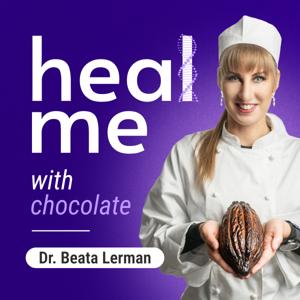
Heal Me with Chocolate is hosted by Dr. Beata Lerman, scientist, cancer survivor, and founder of Sinless Treats Chocolate. Each episode explores the intersection of food, health, and science, focusing on how ingredients like sugar and processed additives affect the body.
Dr. Lerman shares her personal journey of overcoming cancer, eliminating sugar, and developing chocolate using only natural, metabolically friendly sweeteners and whole-food ingredients. Each episode is packed with evidence-based insights on nutrition, the realities of the chocolate industry, and practical advice for making healthier choices. You'll learn about functional foods, the role of fiber and gut health, and alternatives to conventional sweeteners.
Join the community to discover how food can support wellness, one chocolate at a time!
For more information, visit sinlesstreatschocolate.com or contact [email protected].
Follow Sinless Treats Chocolate on Facebook and subscribe to Heal Me with Chocolate on Apple, Spotify, and wherever you get your podcasts.
About Dr. Beata Lerman:
Dr. Lerman is a scientist specializing in gene therapy and immuno-oncology, founder of Sinless Treats Chocolate, and chief medical officer of Revogreen, a food technology company focused on dietary supplements.
See omnystudio.com/listener for privacy information.
From the publisher's feed
Heal Me with Chocolate is hosted by Dr. Beata Lerman, scientist, cancer survivor, and founder of Sinless Treats Chocolate. Each episode explores the intersection of food, health, and science, focusing on how ingredients like sugar and processed additives affect the body.
Dr. Lerman shares her personal journey of overcoming cancer, eliminating sugar, and developing chocolate using only natural, metabolically friendly sweeteners and whole-food ingredients. Heal Me with Chocolate provides evidence-based insights on nutrition, the realities of the chocolate industry, and practical advice for making healthier choices.
Listeners will learn about functional foods, the role of fiber and gut health, and alternatives to conventional sweeteners. Join the community to discover how food can support wellness-one chocolate at a time.