
Sign up to save your podcasts
Or

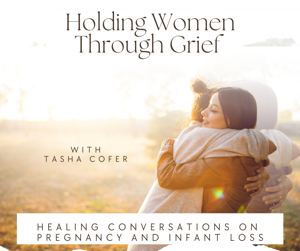


Mother’s Day is coming and if your chest already feels tight, this episode is for you. After baby loss, Mother’s Day can feel like a spotlight on what you lost, on what should have been, and on how invisible grief can feel.
In this episode, we talk about:
Why Mother’s Day hits so hard (and why it doesn’t mean you’re “going backward”)
How to choose what kind of day you want: opt out, gentle acknowledgment, or intentional honor
Simple boundary scripts for family, church, brunch, and social media
Gentle ways to honor your baby (without performing or explaining your grief)
A day-after recovery plan, because the crash is real
If you want your partner, sister, or best friend to understand why this day feels complicated, send them this episode and say: “Can we listen and talk after?”
For more support, resources, and coaching, visit my website.
Disclaimer: This podcast is for supportive and educational purposes only. I am not a licensed therapist. If you need professional mental health support, please reach out to a licensed therapist, grief counselor, or medical provider.
After baby loss, it’s common for partners to grieve in completely different ways one wants to talk, the other shuts down; one falls apart, the other functions. In this episode, we name different grief styles, why they happen, and how to stay connected without forcing either person to grieve a certain way.
You’ll learn:
a simple way to identify grief styles (without stereotypes)
a few phrases that reduce conflict fast
and a small connection text you can send this week when things feel tense or distant
Text to try:
For more support, resources, and coaching, visit my website.
Disclaimer: This podcast is for supportive and educational purposes only. I am not a licensed therapist. If you need professional mental health support, please reach out to a licensed therapist, grief counselor, or medical provider.
Do you keep telling yourself “I’m fine” … but you can feel your body disagreeing?
Are you staying busy so you don’t have to feel and then wondering why you’re exhausted?
Do your emotions come out sideways irritability, snapping, numbness, anxiety that seems to come out of nowhere?
Have you thought, “If I start crying, I won’t stop,” so you just keep pushing through?
Today we’re naming something so many women do after loss often without even realizing it: suppressing grief. Not because you don’t care. Not because you’re cold. But because you’re trying to survive.
And listen… I’m not here to shame that. I’m here to tell you the truth:
Grief that gets pushed down doesn’t disappear. It just shows up somewhere else.
In this episode, we talk about what grief suppression looks like in real life (because most women don’t call it suppression they call it “being strong”). We talk about why it happens, what it costs emotionally and physically, and what to do instead without forcing some big dramatic breakdown.
We’re not aiming for collapse.
When grief doesn’t come out as tears, it often comes out as:
irritability, rage at small things
resentment, snapping at people you love
numbness and disconnection
anxiety that feels like it came out of nowhere
And it can show up in your body as:
headaches, tight chest
trouble sleeping, appetite changes
fatigue, brain fog
feeling on edge
And when grief is suppressed, people can’t find you emotionally, so you start feeling alone even when you’re not alone.
If This Episode Resonated, Listen Next
Episode 17: Why Does Miscarriage Grief Feel So Overwhelming? If you’re feeling the weight in your body and mind
Episode 5: What Healing After Loss Really Looks Like. If you feel like you should be “past this” by now
Episode 4: Why Baby Loss Still Feels So Invisible. If silence has made your grief feel lonelier
If you’ve been suppressing grief, I want you to leave with this: you did what you had to do to survive. But you don’t have to live there forever.
Next Step
Share this episode with the woman who’s “fine” on the outside but crumbling privately. Sometimes the most loving thing you can do is give someone language for what’s happening.
If you want support beyond this episode tools, coaching, and a place to land my website is available when needed. No pressure. Just there when you need it.
Disclaimer
This podcast is for supportive and educational purposes only. I am not a licensed therapist. If you need professional mental health support, please reach out to a licensed therapist, grief counselor, or medical provider.
Have you ever thought, “Is this normal? Am I being dramatic?”
Do you feel jumpy, foggy, tight-chested, or like your body can’t settle down?
Have people said things like “at least it was early” — and it made your grief feel worse?
Are you carrying this quietly… and wondering why it feels so lonely?
In today’s episode, we’re answering the question so many women whisper but don’t say out loud: why does miscarriage grief feel so overwhelming?
Because it can feel like whiplash one moment you’re numb, the next you’re furious, then you’re crying in waves and wondering if something is wrong with you. Let me say it clearly: you are not being dramatic. You’re responding to a real loss.
By the end of this episode, you’ll have:
Because understanding doesn’t remove grief… but it does remove shame.
When the grief comes in hot, try this:
Step 1: Name it (one word).
Step 2: Place it (where is it in your body?).
Step 3: Soothe it (one small action).
When the grief feels too big, say this:
Say it again. Let it land. This is not because you’re weak. It’s because it mattered.
If miscarriage grief has felt overwhelming, I want you to leave with this: you’re not grieving too much. You’re grieving something real.
If this episode helped you feel less alone, share it with someone who’s silently drowning after miscarriage. Sometimes all a person needs is language — not advice.
This podcast is for supportive and educational purposes only. I am not a licensed therapist. If you need professional mental health support, please reach out to a licensed therapist, grief counselor, or medical provider.
If you’ve ever wondered, “Am I grieving wrong… or am I just stuck?” this episode is for you.
In plain language (no fluff), we break down the difference between bereavement, grief, and mourning so you can stop second guessing what you’re feeling and start understanding your body, your heart, and your healing. You’ll also get a simple 3-step tool to use on the days your emotions feel too big, too fast, or all over the place.
For more support beyond this episode—tools, coaching, and a gentle place to land—visit my website : Holding Women Through Grief.
Disclaimer: This podcast is for supportive and educational purposes only. I am not a licensed therapist. I’m also not a doctor or licensed healthcare provider. If you need professional mental health support or have questions about your physical health or pregnancy history, please reach out to a licensed therapist, grief counselor, or your doctor/midwife/medical provider.
Have you ever wanted to show up for someone in grief… but froze because you didn’t know what to say?
Have you watched a woman lose her baby… and then slowly lose people too?
Are you the grieving woman wondering why support feels so hard to come by — or how to ask for what you need without feeling “needy”?
Do you want to be a safe person in someone’s grief story — not the person who disappears?
This episode is for two women at once: the one grieving, and the one trying to love her well.
Because here’s the truth: most people want to show up but grief is a language we were never taught. So we freeze. We go quiet. We say “let me know if you need anything” (and we mean it), but the grieving woman often doesn’t have the energy to manage support or ask for it.
In this conversation, I’m giving you a different approach: presence over perfection and practical ways to show up with consistency, not clichés. We talk about how silence can feel like safety to the supporter… but abandonment to the person grieving. And we talk about what actually helps: simple messages, steady check-ins, remembering names and dates, and being willing to stay.
In This Episode
Why “perfect words” aren’t required but presence is
Better phrases to use instead of “let me know if you need anything”
A simple Support Styles framework to help you show up in a way that fits you
What not to say and what to say instead (without making it about you)
How to offer long-term support (because grief gets lonelier over time)
What to do if you already disappeared and how to repair it
One-sentence scripts grieving women can use to ask for support
You don’t have to be eloquent. You don’t have to be fearless. You just have to be willing.
Send this episode to one person.
If you’re supporting someone and don’t know what to say send it.
If you’re grieving and want your people to understand you send it.
If you want gentle reminders and support you don’t have to explain join my email community.
Stay Connected
This podcast is for supportive and educational purposes only. I am not a licensed therapist. If you need professional mental health support, please reach out to a licensed therapist, grief counselor, or medical provider.
Have you ever smiled and nodded while your insides were screaming?
Has someone minimized your loss with an “at least…” and you felt punched in the chest?
Have you felt like you’re not just grieving… you’re also managing other people’s feelings?
Do you freeze in the moment and only think of what you wish you said later?
Today we’re doing something a little brave. A little raw.
And if you’ve ever thought, “Why am I having to comfort everyone else while I’m the one shattered?” I need you to hear this: you’re not crazy. You’re exhausted.
This episode is different from Episode 13 (Ask a Bereavement Doula). That one was Q&A.
Inside this episode, I give you:
the 3 categories most hurtful comments fall into
a simple 3-step response framework (so you don’t have to think on the spot)
scripts in three tones: soft, direct, and spicy
and what to do if you freeze, fawn, or explode afterward — because yes, that’s part of grief too.
This weeks Journal Prompt: “What comment has impacted me the most — and what do I wish I could say back?”
Episode 13: Ask a Bereavement Doula — Real Questions, Honest Answers — if you want more truth-with-love Q&A
Episode 4: Why Baby Loss Still Feels So Invisible — if silence and minimization have made grief heavier
Episode 9: When Loss Changes Your Relationship — if grief has you navigating other people while you’re hurting
Send this episode to someone who’s grieving and keeps getting hit with comments that make them feel crazy.
If you want quiet support like this in your inbox — reflections that don’t sugarcoat grief — join my private email community.
Website: www.holdingwomenthroughgrief.com
This podcast is for supportive and educational purposes only. I am not a licensed therapist. If you need professional mental health support, please reach out to a licensed therapist, grief counselor, or medical provider.
What do you really want to ask someone who supports grieving families for a living?
Have you ever thought, “Am I doing grief wrong?”
Do you feel numb one day and wrecked the next — and wonder what that means?
Do you want to scream when someone says “everything happens for a reason” or starts a sentence with “at least…”?
Have you ever had a grief thought so “unhinged” you didn’t even want to admit it out loud?
Why you still feel sad when others have moved on:
Jealousy after loss:
What to say when someone says “at least…”:
How to know if you’re healing:
When people ask when you’re trying again:
Bonus truth:
This weeks journal prompt :
“What would it feel like to stop performing your grief — and start honoring it honestly?”
Episode 12: Jealousy After Loss — When Pregnancy Announcements Hurt — if comparisons and triggers hit you out of nowhere
Episode 5: What Healing After Loss Really Looks Like — if you keep wondering whether you’re “doing this right”
This podcast is for supportive and educational purposes only. I am not a licensed therapist. If you need professional mental health support, please reach out to a licensed therapist, grief counselor, or medical provider.
Have you ever smiled at a pregnancy announcement while something sharp hit you inside?
Do you feel guilty for not being able to feel “pure happiness” for someone else right now?
Have you wondered, “What kind of person feels this?”
Do pregnancy announcements, baby showers, or Mother’s Day posts feel like a wound getting touched?
Today we’re talking about something so many women feel after loss… but almost no one says out loud: jealousy.
That silent ache when someone else has what you wanted. The sting when a friend posts a sonogram. The way your body reacts before your brain can catch up ,heart racing, cheeks hot, phone flipped face down ,and then the second wave hits:
“Why can’t I just be happy for her?”
If you’ve ever judged yourself for feeling that, I want you to hear me: jealousy after loss doesn’t make you cruel. It doesn’t make you selfish. It means your heart is wounded ,and a pregnancy announcement becomes a mirror of what you expected, what you hoped for, and what you lost.
We talk about why jealousy shows up (without shaming it), how it often arrives with guilt, and why naming it actually softens it. And I remind you of something that matters:
You can love someone and still feel envy.
This episode is permission to stop beating yourself up and start meeting your emotions with compassion.
Episode 8: Why Valentine’s Day Can Hurt After Loss
Episode 5: What Healing After Loss Really Looks Like
Episode 4: Why Baby Loss Still Feels So Invisible
If this episode gave you language for something you’ve held quietly, share it with a grieving friend especially someone who’s been pretending they’re fine when pregnancy announcements hit.
Sometimes sending an episode and saying, “This explains what I couldn’t say,” is the bridge.
This podcast is for supportive and educational purposes only. I am not a licensed therapist. If you need professional mental health support, please reach out to a licensed therapist, grief counselor, or medical provider.
You’ve probably heard the phrase “1 in 4”… but behind that number are real women, real grief, and real silence. If hearing statistics makes your stomach drop — or pulls you right back to that moment — I want you to take a breath with me. This episode is a gentle space to talk about what the numbers actually mean, why miscarriage and pregnancy loss are more common than anyone talks about, and what healing can look like when your world has changed.
Have you ever thought, “I didn’t know this was common… I thought it was just me”?
Do you find yourself replaying the “what ifs” and wondering if you caused it?
Have you felt like the statistic validates you… and yet somehow still makes you feel erased?
Do you need someone to say, clearly: this isn’t your fault — and you don’t have to earn the right to grieve?
In this episode, we’re taking the “1 in 4” statistic and putting a human heart back inside it.
Because when no one talks about pregnancy loss, you don’t just grieve the baby — you start grieving your confidence. You start questioning your body. You start carrying shame that was never yours to carry.
We talk about what the stats really say, why pregnancy loss happens (especially early loss), and why so many women blame themselves for things that weren’t in their control. And I say this plainly in the episode, but I’m going to say it here too:
You didn’t cause this. This isn’t your fault. And you don’t have to earn the right to grieve.
We also name something important: sometimes “common” doesn’t feel comforting — it can feel infuriating. Like you’re being turned into a number instead of honored as a mother with a story. So we talk about how to let the information validate you without letting it erase you.
And then we move into the part so many women need next: what healing can look like (no timelines, no pressure), how to get out of the “what if” spiral, how to ask for what you actually need, and when it’s time to reach for professional support.
what “1 in 4” actually means and why it matters
why miscarriage and pregnancy loss are more common than people talk about
a grounded explanation of common causes of early pregnancy loss (without blame)
myth vs truth for the thoughts that shame loves to use (“I caused it,” “my body failed”)
what healing can look like in real life (not Pinterest healing — real healing)
simple, one-sentence ways to ask for support when you don’t even know what you need
“What does hearing these statistics make me feel about my own loss — or the losses of women I love? What do I want to say to myself right now?”
Episode 1: The First Days After Loss — What No One Prepares You For — if you’re still in shock or early survival mode
Episode 5: What Healing After Loss Really Looks Like — if you feel like you “should be over it by now”
Episode 4: Why Baby Loss Still Feels So Invisible — if the silence from others has made everything heavier
If you know someone who has ever whispered, “I thought it was just me,” send them this episode.
If you want quieter support between episodes, I’d love to welcome you into my private email community — gentle reflections, reminders, and support that doesn’t require you to explain yourself.
Pick one friend you know has experienced loss (even years ago) and send this exact text with the episode link:
“I thought of you when I listened to this. No pressure to respond — I just wanted you to know you’re not alone.”
This podcast is for supportive and educational purposes only. I am not a licensed therapist.
From the publisher's feed
Do you ever feel unseen by the world — like your loss has become something no one wants to talk about?
Do you wonder why it feels like everyone else is moving on while you’re standing still?
Do you struggle to find the right words when people don’t know what to say — or say the wrong thing?
Are you trying to support a partner who grieves differently while carrying your own pain?
This podcast is a soft landing space for honest, heart-centered conversations about life after pregnancy and infant loss - where grief and healing can coexist, and we learn to live with both love and loss.
Hi, I’m Tasha — a bereavement doula, educator, and advocate for women learning to live after loss.
I created this podcast because too many women are carrying their grief in silence. After walking beside families through miscarriage, stillbirth, and infant loss, I’ve seen how often society avoids what feels uncomfortable — leaving grieving parents unseen and unsupported.
This space was born from a simple truth: healing begins when we name what feels invisible.
Here, we talk honestly about the ache of loss — the guilt, the questions, the moments when the world keeps moving and you can’t. But we also talk about love, memory, and what it means to rebuild a life that still holds both.
My hope is that each episode feels like sitting with a friend who understands — someone who helps you breathe a little deeper, remember your own strength, and know that you are not alone.
If you’re looking for gentle truth, comfort, and a place to be seen in your grief, you’ve found it.
Let’s walk this path together — one soft, steady conversation at a time.