
Sign up to save your podcasts
Or

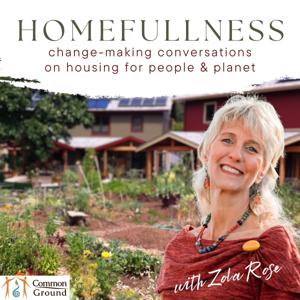


I’m no longer selling my tiny home and will instead have it trucked in mid-January to a leased site in Oratia near the Waitākere Ranges of West Auckland, to live closer to my daughter in Auckland. This follows on after my recent partnership breakup made staying in Nelson-Tasman feel like it wasn’t quite home any longer and the strong pull to be close to my family.
I celebrate the Homefullness Podcast PledgeMe fundraiser being fully funded for another year. I’m grateful for all the pledgers.
I reflect on my background as a diplomat’s kid accustomed to moving to very different countries and cultures and my skill at building a sense of belonging and fitting in to a new place quickly.
I explain the practical site features of my new place that makes it easy to move in with my tiny home and the three-year lease security. I compare the ~$15,000 relocation cost with being more affordable than renting in Auckland for a one-bedroom, emphasizing my values of autonomy and being free of rental property management.
I outline plans to build community connections in Auckland and build the social and professional opportunities.
I will pursue living in a co-housing neighbourhood, preferably the longstanding Earthsong Eco Neighbourhood, or I will seek to set up a community land trust tiny-home co-housing.
I’m seeking full time work in community/organizational development.
I’m offering “Tiny Living, Together”, an online workshop from 6:30-8pm NZT on Dec 8, for those interested in living in a tiny home and in an intentional community.
I’m offering a second workshop called "Find Your Ideal Neighbours and Community" from 6:30-8pm on Dec 14 for those either seeking to live in an intentional community or form one. We start with values-alignment.
I plan to host an Auckland Homefullness meetup in Feb or March to meet people keen on collective and affordable housing.
I’m asking friends in Nelson-Tasman in January to help me to dismantle and pack up my whole home area.
00:00 Keeping The Tiny Home
01:15 Fundraiser Success Thanks
03:01 A Life Of Moving
04:26 Why Leaving Nelson
05:31 Finding The Oratia Site, West Auckland
06:34 The Money Math
07:44 Building Auckland Community
08:57 Co Housing Dream
09:41 Job Hunt In Auckland
10:21 Two online housing Workshops
13:02 Meetups And Moving Help
14:40 Farewell And Next Steps
Find out more and register for the online workshops:
https://events.humanitix.com/tiny-living-together
https://events.humanitix.com/find-your-ideal-neighbours-and-community
Register for the Women Revolutionising Housing event on 3 Nov (online)
https://us06web.zoom.us/meeting/register/Ib4UVam0TpGstemt-XJVjw
Zola welcomes Eli Spevak of Orange Splot, Portland, Oregon developer-builder-advisor, who treats development as a mission by paying himself less and reinvesting in community features like common houses and public artwork.
Eli argues “housing policy is climate policy,” emphasizing smaller homes, more homes per lot, and “missing middle” housing as both greener and more affordable. He describes policy work that made Portland’s rules more predictable and enabled by-right ADUs, tiny homes on wheels, and up to four homes per lot, plus reforms to occupancy rules.
Eli explains partnering with community land trusts to keep some homes permanently affordable through long-term deed restrictions, even within condominium/unit-title projects, sometimes using public funds to buy down prices.
They discuss cohousing design elements, gardening, limits on customization, conflict management, and advice for aspiring communities: start small, secure land early, and ensure strong development and finance expertise.
04:08 Support the Show's PledgeMe fundraiser
05:12 Tiny Home for Sale
07:43 Interview with Eli Begins
10:21 Defining Homefulness
12:09 From Habitat to Developer
14:13 Mission Driven Development
17:15 Changing the Rules
19:17 Legalizing Small Homes
27:30 Cohousing Design Essentials
30:37 Designing Privacy Outdoors
30:59 Preserving Site Character
31:29 Angles and Color Variety
32:13 Tenure Models and Experiments
32:28 Gardens and Shared Harvests
33:45 Why Renters Need Gardens
34:32 Unit Titles and Condos
35:39 Land Trust Affordability Tools
39:03 Developer Challenges and Presales
41:16 Training for Community Conflict
44:16 Right Sizing the Community
45:01 Advice for New Communities
48:02 Building a Lean Team
50:34 Planning Education and Fellowship
53:01 Start Small and Scale Up
Links:
PledgeMe Homefullness Show fundraiser:
https://pledgeme.co.nz/projects/9165-homefullness-fund-a-year-of-affordable-collective-regenerative-housing-stories-that-build-a-movement
Orange Splot: https://www.orangesplot.net/
Zola's tiny home specs with photos and details:
https://drive.google.com/file/d/1qL0viFYhq63WgXUUszKFBm0Dc5-1lp0z/view?usp=sharing
In this episode I shine light on the behind the scenes of my own personal homefullness challenge & opportunity, and the same for the show itself.
I've got to move: My tiny home lease at the Riverside intentional community near Motueka ends on January 18.
I’m moving from Lower Moutere (South Island NZ) to Auckland (North Island NZ) to be closer to my daughter Oriah. This massive change is due to my life partnership ending along with our plans to buy a home together. And, ultimately, living near family is very important for me.
What does that mean for my mobile tiny home? I've decided to sell it as it's too expensive to transport to Auckland.
I reflect on what I love and will miss about tiny-home living (natural materials, warm lighting, spacious kitchen and bathroom, and my Clivus Multrum composting toilet) and the ongoing land/policy challenges for those owning tiny homes but not the land.
I explain my career pivot into HR due to limited funding and work opportunities in housing and community development.
My living situation (where and how) in Auckland is unknown as I need to land a job and then choose a neighbourhood not far away (traffic is horrendous in Auckland). Ideally, I would live at Earthsong Eco-Neighbourhood, West Auckland, the oldest cohousing community in New Zealand--getting to live in alignment with my housing values.
My work on the Homefullness mission is continuing work through me hosting the Women’s Revolutionising Housing Network and serving on the committee of the Housing Innovation Society (THIS) and helping organise THIS’ bi-annual hui. And, last but not least, producing this podcast.
Most importantly and urgently, this podcast cannot continue without funding, so, this coming week, I’m launching a PledgeMe fundraising campaign seeking about $6,000 to fund 12 more podcast episodes, with pledge tiers where people get “rewards” for their contribution. And, I’m inviting listeners/audience to collaborate with me as a Show and Campaign Ambassador to help raise the awareness and funds.
Links
PledgeMe campaign page: https://pledgeme.co.nz/projects/9165-keep-the-homefullness-podcast-alive-fund-a-year-of-game-changing-housing-conversations
Video tour of Zola's tiny home:
https://youtu.be/-jRhNsalIC8?si=teIJqoBSs2zY0xN5
Time stamps
00:00 Welcome to Homefullness
00:41 Big Move Announcement
01:44 Life at Riverside
02:46 Breakup and New Direction
04:58 Career Pivot to HR
06:43 Tiny Home Living
12:30 Selling the Tiny Home
13:50 Auckland Housing Concerns
15:51 Websites and Staying Connected
17:16 Networks and Upcoming Hui
21:12 Why We Need Funding
25:49 Pledge Tiers and Rewards
27:13 Ambassadors and Final Call
Zola interviews Emerging Realtor, Desmond, about building equitable neighborhoods through development, strategy, and education.
He frames “homefullness” as rebuilding true community—neighbors knowing each other, gathering informally, and designing the built environment to support that social “software,” not just housing “hardware.”
He advocates a smaller-scale, toolbelt approach to development—right-sizing projects to what a community says it needs, from single-family homes and Accessory Dwelling Units (ADUs, like Granny Flats) to 15–50 unit mixed-use, mixed-income buildings where higher-rent units can help subsidize attainable ones.
A core part of his work is education: he’s developing a practitioner-led curriculum to make it easier for everyday people to become community-minded developers, pairing training (including community engagement) with real-world funding pathways like a pitch day with lenders and potential City of Raleigh support such as donating city-owned lots.
Desmond highlights community land trusts as a key tool for keeping homeownership affordable in perpetuity.
He recommends resources including The Color of Law, The Death and Life of Great American Cities, Strong Towns, and the “Happy Urbanist”, plus learning from groups like Strong Towns and the Incremental Development Alliance.
Links:
Desmond's LinkedIn: https://www.linkedin.com/in/desmondcdunn/
r.plan: https://www.linkedin.com/company/r-planninggroup/
Timestamps:
02:57 Why Place (Southeast Raleigh) Matters
04:25 Porch Culture and Belonging
05:57 Sprawl and Social Division
07:51 From Psychology to Real Estate
09:26 Flipping vs Community Housing
11:52 Community Engagement Pivot
13:20 Small Scale Toolbelt Development
16:05 Advocacy and Accountability
19:05 Representation and Lifelong Mission
20:04 Teaching New Developers
24:50 Land Trusts and Mixed Income
27:07 Barriers Funding and City Hall
33:21 Staying the Course
37:36 Celebrations and Inspirations
40:09 Books and Learning Resources
44:14 Final Call to Community Action
45:59 Closing Reflections
Sustaining Homefullness: Building a Collective Future for Affordable, Regenerative Housing
This special Homefullness Show episode because it is a call for collaboration to keep this show alive and the Homefullness programmes to thrive. It's also about clarity on the transition of Homefullness as a separate entity to Common Ground.
Zola explains why Homefullness and Common Ground focus on “homefullness” rather than homelessness: Supporting affordable, collective, regenerative housing in Aotearoa New Zealand and beyond.
She shares her background in community development, Habitat for Humanity, community land trusts, ecovillages, natural building, and her own experience struggling to secure quality housing as a migrant and later single mother amid intense rental competition.
She outlines the three current Homefullness projects—Women Revolutionising Housing (hui and peer network), the Homefullness Show (28 episodes on models like land trusts, cohousing, cooperatives, and policy/finance), and a proposed community-focused housing property development course.
To date, this work has been done under Common Ground and has been self-funded since 2019. Zola says she no longer wants to or is able to sustain this purpose-driven work on her own.
She invites supporters to join governance, sponsor/fund, contribute via Patreon, an upcoming PledgeMe campaign, by sharing stories.
There is a a survey for people to indicate their interest to contribute (see link below).
Zola estimates about $18,000 is needed to continue these programmes through June 2027; otherwise, she will pause the mission.
Zola will shift Common Ground to be re-branded as a business offering training-consulting-facilitation to improve collaboration, communication and conflict transformation for businesses, organisations, groups, and families.
Homefullness contribution survey: https://forms.gle/MkzBqaY9ieDFSC9s7
Document to see the details of the Homefullness programmes and budget: https://docs.google.com/document/d/1h-cqTSL_xWwv5E5sByV_fEItBACl2LtylWC5Ztc2qsY/edit?usp=sharing
Homefullness is currently at this URL: www.commonground.net.nz
Patreon to be a paid member for as little as a cuppa coffee a month:
patreon.com/commonground_zola
Time stamps
00:49 Why Homefullness Matters
01:51 Housing Models That Inspired Me
04:40 From South Africa To NZ
05:53 Starting Common Ground
06:36 Single Mum Housing Struggle
07:58 Programs Under Homefullness
10:21 Costs And Patreon Reality
11:17 Call For Co Creators
13:41 Funding Plan And Budget
16:47 How You Can Help
18:04 If Funding Falls Short
18:19 Next Chapter For Common Ground
Robin Allison is the founder of Earthsong EcoNeighbourhood in West Auckland, a 32-home, medium-density cohousing community on 1.2 hectares. It is guided by permaculture ethics, eco-building, and social sustainability, with an educational commitment to share learning.
Zola and Robin discuss “homefullness” as individual autonomy plus shared belonging, intergenerational support, accountability, and personal and collective growth opportunities by working actively with diversity and conflict.
Robin describes Earthsong’s resilience work with the Global Ecovillage Network (GEN), concluding urban and community resilience depends on cultivating and fostering wider caring and connected neighbourhood relationships.
A team at Earthsong is launching a film and workshop, “Neighbourliness for Resilience,” which is offered to groups wishing to generate discussion and solutions for their own local resilience. Be in touch with Robin to request a screening and workshop for your community or area.
Earthsong offers tours to groups (by demand) and the public (quarterly). Robin offers seminars on cohousing governance and design, her latest offerings being in Japan. Her book Cohousing for Life is available to get learnings from her experience of developing Earthsong and tips for aspiring intentional community developers (and groups).
Zola at Common Ground is offering a number of services to support councils, housing organisations and professionals, and leaders and groups aspiring to create an innovative housing projects.
Beyond housing, Zola offers services to those wishing to add more connection and harmony to their workgroups--finding and deepening the common ground amongst all members to work and live better together.
Services include:
Timestamps
01:19 Announcements and Updates
03:12 Meet Robin and Earthsong
03:41 Cohousing and Permaculture Ethics
06:54 Defining Homefullness
10:03 Diversity and Discomfort
12:31 Resilience Research Insights
15:20 Neighborliness Film and Workshops
17:19 Governance Skills for Society
25:38 Cohousing Training and Tours
31:26 Conflict Skills and Meetings
41:12 Personal Note and Future Cities
45:17 Closing Thanks and Vision
Links:
https://www.earthsong.org.nz/
Home page and newsletter sign up: https://www.commonground.net.nz/
Working together--how I support teams and leaders: https://www.commonground.net.nz/work-together
WRH: https://www.commonground.net.nz/women-revolutionising-housing-network
Property Devp course: https://www.commonground.net.nz/property-devp-course
Newsletters: https://www.commonground.net.nz/common-ground-newsletter
Connection Lab Playshops: https://www.commonground.net.nz/connection-labs
Homefullness Community: patreon.com/commonground_zola
CG FB: https://www.facebook.com/CommonGroundAotearoaNZ/
CG LinkedIn: https://www.linkedin.com/company/commonground-nz
CG YT: https://www.youtube.com/@CommonGroundchannel
April Theme: Belonging and the Neighbour Connection Challenge
In this episode, Zola introduces April’s theme of belonging through designing connection with neighbours, linking it to Common Ground’s focus on collective living and affordability via sharing and reciprocity, and permaculture’s people care ethic.
She’s excited to share that she’s making changes to the Homefullness Show to be more practical and announces a Patreon-based Homefullness community with monthly resources.
This includes a “Neighbour Connection Challenge” which offers simple actions and a 7-day structure to build neighbourly ties, with even more resources available for Patreon members through the platform.
Zola shares her personal experiences of community inclusion and isolation across different places she's lived, highlights intentional community benefits at Riverside Community (New Zealand), and discusses lessons from Serenbe and Steve Nygren’s book Start In Your Own Backyard about designing walkable, nature-integrated, clustered neighbourhoods.
Check out www.commonground.net.nz for additional services for housing leaders and enthusiasts, housing-related events, and sign up for the newsletter and subscribe to the show to be alerted to upcoming content on compassionate communication for resolving neighbour tensions.
Timestamps
00:00 April Theme Belonging
00:33 Show Format And Homefullness Community on Patreon
02:14 Neighbour Connection Challenge
03:54 Simple Ways To Connect
05:40 Seven Day Challenge Plan
06:32 Personal Story Early Neighbourhoods
11:31 Riverside Community Support
14:33 South Africa Lessons Learned
16:02 Bad Neighbours Experiences
18:37 Serenbe And Better Design
24:20 Start In Your Backyard Actions
26:05 Free Kit And Patreon Journey
26:49 Let Them Roam Pledge
28:04 Services Events And Resources
Links:
Reshaping Aotearoa’s Planning Laws: Regenerative Housing, Community Agency, and Structural Affordability
New Zealand’s housing crisis, like many countries around the world, stems from a system producing unaffordable homes, ecological harm, and isolated communities.
Zola highlights this “rare opportunity” as the government rewrites the planning and natural resources bills replacing the RMA.
Zola warns of risks in these bills like growth-led development and reduced citizen participation that could create degenerative outcomes for rural and urban area development for generations to come.
Her call to action to listeners, wherever they are in the world, is to advocate to their local and central governments for policies and laws that explicitly enable regenerative land use, community-led housing models, and structural affordability, including:
Zola also advocates shifting land use from industrial animal agriculture toward plant-based systems and farmer transition pathways.
Timestamps
00:00 Housing System Crisis
00:25 Planning Reform Moment
01:50 Submission Overview
02:24 Why Replace RMA
03:18 Tiny Homes Legitimacy
04:53 Rural Cluster Housing
06:27 Circular Economy Villages
07:01 Affordability Tools
08:54 Regenerative Land Use Shift
10:46 Six Risks Two Futures
13:45 Call to Engage
14:42 Course and Network Updates
17:22 Housing Guides and Housing Networks to access
19:20 NZ Housing Survey and Patreon Support for the Show
Download her submission presentation on the reports and guides page of the Common Ground website.
Sign up for the Common Ground newsletter and women are invited to join the Women Revolutionising Housing network from the website.
You can join her Patreon community to support her work and this podcast:
https://www.patreon.com/commonground_zola
To inquire about Zola's consulting services or to be a guest on the show, you can book a meeting here:
https://calendly.com/common_ground_zola_rose/quickcall
or here if you are out of the Australasian region:
https://calendly.com/common_ground_zola_rose/quick-call-int-l
https://www.commonground.net.nz/
https://www.facebook.com/CommonGroundAotearoaNZ/
https://www.linkedin.com/company/commonground-nz
https://www.youtube.com/@CommonGroundchannel
https://karenflett.com/
Zola interviews Lyndall Parris, founder and resident of Narara Ecovillage on Australia’s central, east coast (about an hour north of Sydney), about what it takes to create and lead an intentional ecovillage from vision to reality and what daily life feels like there.
The episode outlines Narara’s cooperative membership model (including the $30,000 buy-in), efforts toward affordability and intergenerational living through CLAN, and key sustainability infrastructure such as a smart grid and localized water systems.
Lyndall shares the long fundraising and development journey (including setbacks during the financial crisis of 2008, the 2012 tender to buy the property, and 2013 settlement), reflects on belonging, kindness, and ongoing conflict-resolution work.
Lyndall offers her free PDF book for those wanting to learn from their model and, of course, to visit their website.
00:52 Narara Ecovillage 101: Location, Land & Community Layout
02:07 How Membership Works: Co‑op Buy‑In, Responsibilities & Building Standards
03:18 Making It Affordable: CLAN, Shared Shares & Attracting Younger Families
05:16 Sustainability Systems: Smart Grid Energy + Water & Sewage Independence
06:28 Visit & Learn More: Website, Tours, Getting There from Sydney
07:33 Defining “Homefullness”
09:09 From Sheep Farm to “We Could Live Differently”
11:28 Courage to Build an Ecovillage: One Step at a Time (The Elephant Story)
13:54 Finding the Land + The Great Financial Crisis Setback (2008–2012)
16:43 Keeping the Dream Alive: Open Days, Newsletters & Founder Stamina
20:43 Life as a Resident: Kindness, Events, Healthier Living & Nature Connection
26:07 Not Utopia: Governance, Conflict Resolution & Personal Growth Ripples
29:39 Founder Fuel: “What’s In It for Me?” Avoiding Burnout + Financing Returns
31:33 From Setbacks to Solidarity: Building Trust to Fund the Land Purchase
33:20 Women Revolutionizing Housing Network: Monthly Meetups & How to Join
34:24 The $5M Tender Strategy: Pledges, Co-op Setup, and 24 ‘Pioneers’
37:53 2012–2013: Settlement, Early Works, and Recruiting a Project Director
39:00 Paying the Professionals: Commercial Rates, Deferred Fees, and Success-Based Compensation
40:50 Member-Funded Infrastructure: Installments, Bridging Loans, and Keeping Banks Out
43:01 Co-op Membership & Shares: The $30k Buy-In, Assets, and Creative Affordability
44:38 Community-Building Practices: Weekly Zooms, Alliances, and Staying Connected
46:15 The Ecovillage Mission: Economic, Environmental, and Social ‘Three-Legged Stool’
50:21 Charitable Arm & Tax-Deductible Giving: The Eco Living Network Explained
52:49 Sharing the Model: Website Resources, Free PDF Book, and ‘Joy of Purpose’ Workshop
55:20 Inspiration & Closing Reflections: Spiritual Practices, Nature, and Next Steps
Links:
https://youtu.be/x_RYTEx1Cxk
https://nararaecovillage.com/
https://nararaecovillage.com/2022/12/lyndall-and-dave/
https://www.commonground.net.nz/
In this episode, host Zola Rose interviews Zola Ndimande, a Zulu woman from KwaZulu Natal South Africa about her return to her ancestral land to build her own home using traditional earth building methods, and integrating into that community-focused way of living in relationship with people and relationship with the elements.
The discussion covers a range of topics such as traditional housing construction methods, indigenous community living, tribal land stewardship and right to occupy vs ownership, tribal authority vs regulatory governance, traditional ceremonies for returning to occupy land, and the balance between modern and indigenous ways of building and living.
Zola provides insights into the communal support systems prevalent in Zulu communities, the challenges of integrating modern aspirations with traditional values, and the importance of maintaining cultural rituals and land stewardship.
The conversation also touches on the parallels between Zulu and Maori cultures, highlighting the universal human need for community and connection to land.
Zola Rose refers to another episode (May 2025) where she interviews her daughter Oriah about growing up, learning, and creating a home in a similar way when they lived near a Zulu community in KwaZulu Natal South Africa.
02:18 Land Rights and Ancestral Connections
03:36 Community and Tribal Land Systems
10:07 Ceremonies and Traditions in Zululand
17:44 Building with Natural Materials
21:12 Community-Based Tourism and Integration
30:48 Learning the Basics of Cob Building
31:38 Building a Home While Pregnant
32:06 Construction Timeline and Techniques
33:35 Inspiration to Build My Own House
35:29 Exploring the Land and Community
37:07 Traditional vs. Modern Building Materials
39:01 The Importance of Community Support
41:43 Challenges and Legislation in Building
43:16 Sustainable Living Practices
57:42 Cultural Reflections and Language
Your reflections are welcome--we'd love to hear from you. Email to [email protected]
From the publisher's feed