
Sign up to save your podcasts
Or

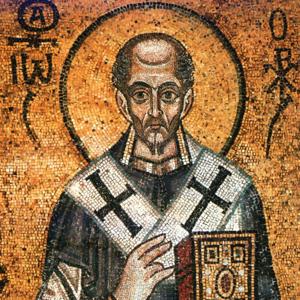

Homily VII of John Chrysostom's Adversus Judaeos (delivered ca. 387 CE in Antioch) argues that Jewish rituals and worship are permanently invalidated due to the destruction of the Temple and ongoing exile.
Chrysostom examines Old Testament rites (e.g., the ordeal of bitter water for suspected adultery from Numbers 5) that required the Temple, altar, and sacrifices—now impossible. He extends this to prove no restoration of priesthood, kingship, or full Mosaic Law is possible, as Jewish subjugation contradicts scriptural promises.
He harshly depicts current Jewish gatherings as immoral and unworthy, urging Christians to shun them completely to avoid defilement and maintain separation. The homily reinforces divine rejection of post-Christ Judaism.
 View all episodes
 By Joseph Daniel
Homily VII of John Chrysostom's Adversus Judaeos (delivered ca. 387 CE in Antioch) argues that Jewish rituals and worship are permanently invalidated due to the destruction of the Temple and ongoing exile.
Chrysostom examines Old Testament rites (e.g., the ordeal of bitter water for suspected adultery from Numbers 5) that required the Temple, altar, and sacrifices—now impossible. He extends this to prove no restoration of priesthood, kingship, or full Mosaic Law is possible, as Jewish subjugation contradicts scriptural promises.
He harshly depicts current Jewish gatherings as immoral and unworthy, urging Christians to shun them completely to avoid defilement and maintain separation. The homily reinforces divine rejection of post-Christ Judaism.