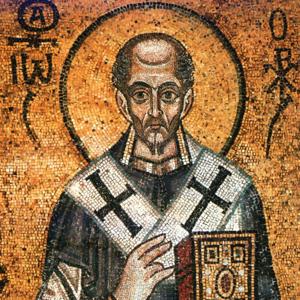
In his first homily (delivered in Antioch around 386-387 CE), John Chrysostom urgently warns Christians against participating in upcoming Jewish festivals, including the Feast of Trumpets, Tabernacles, and fasts.
He describes this attraction to Jewish practices as a dangerous "Judaizing disease" that threatens the church, fearing that some congregants—despite professing Christian beliefs—will join Jews in their observances due to familiarity or ignorance, rendering his warnings ineffective if not addressed immediately.
Chrysostom contrasts the reverent fear in Christian churches, filled with teachings on eternal judgment (e.g., hellfire, unquenchable worms), with Jewish synagogues, which he harshly denounces as unworthy of honor—comparing them to inns, brothels, or dens of robbers, cheats, and demons, and extending this condemnation to Jewish souls.
He argues that Jews oppose God and thus serve demons. The homily ends with a solemn oath, invoking heaven and earth as witnesses, declaring himself guiltless if any Christians persist in attending synagogues or observing Jewish rituals.