
Sign up to save your podcasts
Or

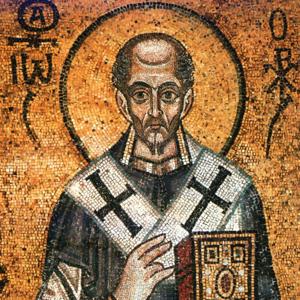

Homily VIII of John Chrysostom's Adversus Judaeos (delivered ca. 387 CE in Antioch) addresses Christians seeking healing from Jewish incantations, amulets, and healers during illnesses like fevers.
Chrysostom condemns this as idolatry and betrayal of Christ, urging endurance of suffering as a trial that tests faith—like gold in fire—and can lead to martyrdom. He contrasts biblical figures (e.g., the paralytic at the pool, Lazarus) who suffered without relief yet gained eternal reward, with Judaizers who run to "Christ-killers" for cures.
He portrays Jewish practices as demonic and ineffective, calling for total avoidance to preserve Christian purity. The homily promotes an "anti-medicinal" stance: embrace fever as a path to heavenly glory rather than seek forbidden aid.
 View all episodes
 By Joseph Daniel
Homily VIII of John Chrysostom's Adversus Judaeos (delivered ca. 387 CE in Antioch) addresses Christians seeking healing from Jewish incantations, amulets, and healers during illnesses like fevers.
Chrysostom condemns this as idolatry and betrayal of Christ, urging endurance of suffering as a trial that tests faith—like gold in fire—and can lead to martyrdom. He contrasts biblical figures (e.g., the paralytic at the pool, Lazarus) who suffered without relief yet gained eternal reward, with Judaizers who run to "Christ-killers" for cures.
He portrays Jewish practices as demonic and ineffective, calling for total avoidance to preserve Christian purity. The homily promotes an "anti-medicinal" stance: embrace fever as a path to heavenly glory rather than seek forbidden aid.