
Sign up to save your podcasts
Or

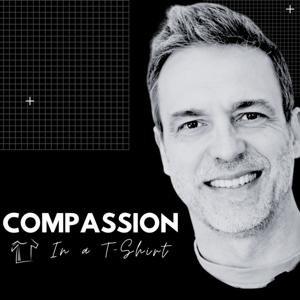

What if compassion isn’t just something we feel—but something we can train?
In this conversation, I sit down with social psychologist Associate Professor Paul Condon to explore his new book How Compassion Works (with John Makransky) and their evidence-based approach to Sustainable Compassion Training (SCT).
We dive into a powerful idea: that we already have an innate capacity for love, compassion, and wisdom—but life experiences, attachment patterns, and our tendency to get caught in thoughts can pull us away from it.
Paul shares a clear, practical framework for reconnecting with that capacity through three key modes of practice:
. Receptive mode – learning to take in care and reconnect with a “secure base”
. Deepening mode – shifting from reactive thinking to expansive awareness
. Inclusive mode – widening compassion beyond our usual limits
We also explore how to develop a “holding environment” for difficult emotions, the difference between love and compassion, and how this approach can help prevent burnout, empathic distress, and compassion fatigue.
If you’ve ever struggled to stay compassionate without feeling overwhelmed—or wondered how compassion actually develops—this is a deeply insightful and practical conversation.
Timestamps
00:00 Welcome and Guest Intro
02:31 Innate Compassion Explained
05:59 Why We Lose Touch
13:20 Equanimity and Holding Space
17:56 Love vs Compassion
23:14 Sustainable Compassion Training
28:43 Receptive Mode Field of Care
33:09 When Care Feels Inaccessible
40:28 Deepening Mode Expansive Awareness
49:37 Inclusive Mode Widening the Circle
58:27 Avoiding Burnout and Distress
01:05:21 Motivation and Daily Practice
01:10:48 Closing Thoughts and Thanks
Links:
Dr Paul Condon’s website:
https://paulcondon.org/
How Compassion Works (Makransky & Condon, 2025)
https://www.amazon.com.au/How-Compassion-Works-Step-Step/dp/164547173X/
Sustainable Compassion Training: Integrating Meditation Theory With Psychological Science (Condon & Makransky, 2020) Open Access article from Frontiers in Psychology.
https://www.frontiersin.org/journals/psychology/articles/10.3389/fpsyg.2020.02249/full
If you would like to learn more about compassion focused therapy, you can find Dr Stan Steindl's book The Gifts of Compassion here: https://www.ausapress.com/p/the-gifts-of-compassion-how-to-understand-and-overcome-suffering/
Say hi on social:
Facebook: https://www.facebook.com/drstansteindl
Twitter/X: https://twitter.com/StanSteindl
Instagram: https://www.instagram.com/dr_stan_steindl/
LinkedIn: https://www.linkedin.com/in/stan-steindl-150a5264/
Website: https://www.stansteindl.com/
YouTube Video URL: https://youtu.be/8zBzKtw25ew
*Affiliate Disclaimer: Note this description contains affiliate links that allow you to find the items mentioned in this video and support the channel at no cost to you. While this channel may earn minimal sums when the viewer uses the links, the viewer is in no way obligated to use these links. Thank you for your support!
Hashtags:
compassion training, mindfulness meditation, compassion fatigue, self compassion, psychology and wellbeing, burnout prevention
 View all episodes
 By Dr Stan Steindl
What if compassion isn’t just something we feel—but something we can train?
In this conversation, I sit down with social psychologist Associate Professor Paul Condon to explore his new book How Compassion Works (with John Makransky) and their evidence-based approach to Sustainable Compassion Training (SCT).
We dive into a powerful idea: that we already have an innate capacity for love, compassion, and wisdom—but life experiences, attachment patterns, and our tendency to get caught in thoughts can pull us away from it.
Paul shares a clear, practical framework for reconnecting with that capacity through three key modes of practice:
. Receptive mode – learning to take in care and reconnect with a “secure base”
. Deepening mode – shifting from reactive thinking to expansive awareness
. Inclusive mode – widening compassion beyond our usual limits
We also explore how to develop a “holding environment” for difficult emotions, the difference between love and compassion, and how this approach can help prevent burnout, empathic distress, and compassion fatigue.
If you’ve ever struggled to stay compassionate without feeling overwhelmed—or wondered how compassion actually develops—this is a deeply insightful and practical conversation.
Timestamps
00:00 Welcome and Guest Intro
02:31 Innate Compassion Explained
05:59 Why We Lose Touch
13:20 Equanimity and Holding Space
17:56 Love vs Compassion
23:14 Sustainable Compassion Training
28:43 Receptive Mode Field of Care
33:09 When Care Feels Inaccessible
40:28 Deepening Mode Expansive Awareness
49:37 Inclusive Mode Widening the Circle
58:27 Avoiding Burnout and Distress
01:05:21 Motivation and Daily Practice
01:10:48 Closing Thoughts and Thanks
Links:
Dr Paul Condon’s website:
https://paulcondon.org/
How Compassion Works (Makransky & Condon, 2025)
https://www.amazon.com.au/How-Compassion-Works-Step-Step/dp/164547173X/
Sustainable Compassion Training: Integrating Meditation Theory With Psychological Science (Condon & Makransky, 2020) Open Access article from Frontiers in Psychology.
https://www.frontiersin.org/journals/psychology/articles/10.3389/fpsyg.2020.02249/full
If you would like to learn more about compassion focused therapy, you can find Dr Stan Steindl's book The Gifts of Compassion here: https://www.ausapress.com/p/the-gifts-of-compassion-how-to-understand-and-overcome-suffering/
Say hi on social:
Facebook: https://www.facebook.com/drstansteindl
Twitter/X: https://twitter.com/StanSteindl
Instagram: https://www.instagram.com/dr_stan_steindl/
LinkedIn: https://www.linkedin.com/in/stan-steindl-150a5264/
Website: https://www.stansteindl.com/
YouTube Video URL: https://youtu.be/8zBzKtw25ew
*Affiliate Disclaimer: Note this description contains affiliate links that allow you to find the items mentioned in this video and support the channel at no cost to you. While this channel may earn minimal sums when the viewer uses the links, the viewer is in no way obligated to use these links. Thank you for your support!
Hashtags:
compassion training, mindfulness meditation, compassion fatigue, self compassion, psychology and wellbeing, burnout prevention