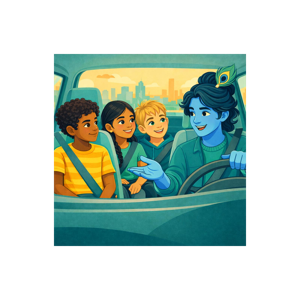
Hastinapur. A tour of the city, the kingdoms radiating outward for hundreds of miles, and the eight kinds of beings who share this world. And at the center: one divine being in a human body, holding all of it together with nothing but a vow and a will.
KEY CONCEPTS & PLACES
Hastinapur: "City of Elephants." Capital of the Kuru kingdom, on the banks of the Ganga in what is now Uttar Pradesh. Archaeological site confirmed by B.B. Lal's Painted Grey Ware findings (1100–800 BCE).
The Eight Beings: Devas (divine beings), Asuras/Daityas/Danavas (cosmic rivals of the Devas), Gandharvas (celestial musicians), Apsaras (celestial dancers), Yakshas (elemental/nature beings), Rakshasas (often translated "demons," but far more complex), Vanaras (forest beings with their own civilization and divine lineage), and Humans.
Vasu: One of thirty-three primary Devas in the Vedic tradition. Bhishma is the eighth Vasu, sent to earth to live out a human life as consequence of a past transgression.
SOURCES CITED THIS EPISODE
- Bibek Debroy — The Mahabharata (unabridged, 10 volumes), Penguin Books India, 2010–2014.
- B.B. Lal — Archaeological excavations at Hastinapur, 1950s. Painted Grey Ware findings confirming the city's historical existence, dated 1100–800 BCE.
CALLBACKS TO PREVIOUS EPISODES
- Menaka and Shakuntala: Episode 4
- Shantanu, Ganga, and Bhishma's origin: Episodes 6 & 7
- The concept of Swarga (Indra's heaven): Episode 6
- The multi-being chandravanshi lineage pattern of the Kuru dynasty: Episodes 2, 4, 6, 7
NEXT EPISODE
Three brothers are born into this world. Dhritarashtra. Pandu. Vidura. Each carrying something different. Each about to inherit all of this.
CONNECT
Subscribe wherever you listen.
Tell one person please - that is how this show finds its people.
Drop a comment: Which of these beings — the Gandharvas, the Yakshas, the Vanaras — did you grow up hearing stories about?