
Sign up to save your podcasts
Or

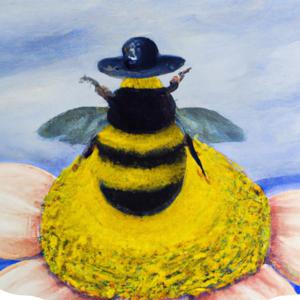

There's a bee that makes polyester. Not metaphorically — an actual transparent, waterproof, antimicrobial film that she paints onto the walls of her underground brood cells with a forked tongue.
Chemists have identified the compounds. Industry wants the material for biodegradable packaging. Nobody has been able to reproduce it.
This week: the cellophane bees of the genus Colletes, the Dufour's gland secretions they polymerize into natural cling wrap, how to spot a nesting aggregation, and why the low cloud of bees hovering over a bare patch of lawn in early spring is one of the most misunderstood sights in North American nature.
www.secretpollinators.com
#SecretPollinators #CellophaneBees #Colletes #NativeBees #WildBees #GroundNestingBees #PollinatorPodcast #NativePollinators #BeeScience #PlasterBees #PolyesterBees #SolitaryBees #NaturePodcast #Entomology #PollinatorHabitat
 View all episodes
 By Kelly Parks
There's a bee that makes polyester. Not metaphorically — an actual transparent, waterproof, antimicrobial film that she paints onto the walls of her underground brood cells with a forked tongue.
Chemists have identified the compounds. Industry wants the material for biodegradable packaging. Nobody has been able to reproduce it.
This week: the cellophane bees of the genus Colletes, the Dufour's gland secretions they polymerize into natural cling wrap, how to spot a nesting aggregation, and why the low cloud of bees hovering over a bare patch of lawn in early spring is one of the most misunderstood sights in North American nature.
www.secretpollinators.com
#SecretPollinators #CellophaneBees #Colletes #NativeBees #WildBees #GroundNestingBees #PollinatorPodcast #NativePollinators #BeeScience #PlasterBees #PolyesterBees #SolitaryBees #NaturePodcast #Entomology #PollinatorHabitat