
Sign up to save your podcasts
Or



Based on Podcast App listening data
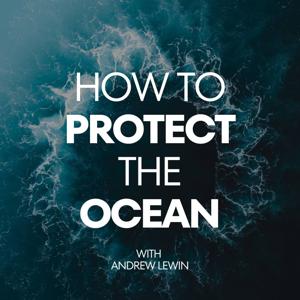
Deep sea hydrothermal vents reveal a hidden world where life thrives without sunlight, forcing scientists to rethink how ecosystems can exist in extreme heat, pressure, and darkness. Nearly two kilometers beneath the Pacific Ocean, superheated fluids erupt from the seafloor at Endeavour, creating environments that challenge everything we thought we knew about life on Earth and how it survives.
Deep-sea hydrothermal vents are not isolated deep ocean curiosities, they actively influence the chemistry of the entire Pacific Ocean. In this episode, scientists explain how minerals and iron released at Endeavour can be traced thousands of kilometers across the ocean, fueling productivity far from the vents themselves and connecting deep ocean processes to surface ecosystems in surprising ways.
Ocean Networks Canada enables this discovery through one of only two cabled deep-sea observatories in the world, allowing scientists to monitor volcanic activity, chemistry, and biodiversity in real time. This episode explores why Endeavour is one of the most important natural laboratories on the planet, what it teaches us about the origins of life, and how it may even help us understand life beyond Earth.
Surprising insight: the fluids released at Endeavour do not disappear into the ocean, they can be chemically traced across the entire Pacific, meaning deep-sea activity shapes ocean life on a planetary scale.
Help fund a new seagrass podcast: https://www.speakupforblue.com/seagrass
Join the Undertow: https://www.speakupforblue.com/jointheundertow Connect with Speak Up For Blue Website: https://bit.ly/3fOF3Wf Instagram: https://bit.ly/3rIaJSG TikTok: https://www.tiktok.com/@speakupforblue Twitter: https://bit.ly/3rHZxpc YouTube: www.speakupforblue.com/youtube
Climate Solutions for the Ocean are urgently needed as warming seas, biodiversity loss, and ecosystem collapse accelerate faster than most people realize, and one of the most powerful tools may be hiding just beneath the waves. In this episode, Andrew Lewin sits down with Scott Bohachyk, Director of Seaforestation at Ocean Wise, to explore how kelp forests function as underwater life support systems for the ocean, supporting fisheries, stabilizing coastlines, and helping ecosystems recover from climate stress.
Kelp forests have declined by up to 50 percent globally, with some regions losing more than 90 percent of their kelp after marine heatwaves and ecosystem imbalances. Scott explains how Ocean Wise is actively restoring kelp forests in British Columbia through hands-on seaforestation, partnerships with First Nations, innovative nursery techniques, and standardized monitoring that tracks biodiversity recovery and ecosystem health over time.
One of the most surprising insights from this conversation is that kelp restoration is not primarily about carbon credits or climate hype. Instead, the real win comes from rebuilding biodiversity and ecosystem resilience, with climate benefits becoming a powerful bonus rather than the sole goal. This shift in perspective reframes how we think about climate solutions and what truly works in the ocean.
Help fund a new seagrass podcast: https://www.speakupforblue.com/seagrass
Join the Undertow: https://www.speakupforblue.com/jointheundertow Connect with Speak Up For Blue Website: https://bit.ly/3fOF3Wf Instagram: https://bit.ly/3rIaJSG TikTok: https://www.tiktok.com/@speakupforblue Twitter: https://bit.ly/3rHZxpc YouTube: www.speakupforblue.com/youtube
Tree-Free Products are disrupting industries that have relied on the same wasteful materials for more than a century, and the shift is happening faster than most people realize. In this episode, we explore how Emerald Ecovations produces over 370 sustainable alternatives without cutting down a single tree, dramatically reducing carbon emissions, water use and ocean-bound pollution. Ralph Bianculli shares why legacy companies resist change and how younger decision-makers are pushing corporate purchasing toward genuine sustainability.
Sustainable business is more than a buzzword; it is the measurable impact behind everyday products. Ralph explains why some corporations save 7,000 to 8,000 trees every year simply by switching to tree-free materials. He also breaks down how soil protection, water reduction and raw material sourcing shape the environmental benefits of their products, and why education is often a bigger barrier than cost.
Environmental impact reporting becomes the emotional centerpiece of this conversation when Ralph reveals how only a small percentage of consumers identify as environmentalists, yet almost anyone can be moved by seeing exactly how many trees, gallons of water, and pounds of carbon their decisions can save. That moment often turns reluctant corporations into sustainability leaders.
Help fund a new seagrass podcast: https://www.speakupforblue.com/seagrass
Join the Undertow: https://www.speakupforblue.com/jointheundertow Connect with Speak Up For Blue Website: https://bit.ly/3fOF3Wf Instagram: https://bit.ly/3rIaJSG TikTok: https://www.tiktok.com/@speakupforblue Twitter: https://bit.ly/3rHZxpc YouTube: www.speakupforblue.com/youtube
Mass penguin die off explained, a crisis that wiped out ninety five percent of some African penguin colonies, raises a heartbreaking question: how does a thriving species fall to fewer than ten thousand breeding pairs and almost no one sees it happening? This episode uncovers the chain reaction that pushed an entire population toward collapse, from vanishing sardines to the brutal timing of the molt that left tens of thousands of penguins starving. One of the most emotional discoveries in the research was that more than sixty thousand penguins died simply because they did not have enough body fat to survive a three week fast.
African penguin population collapse reveals a deeper story about the ocean. Sardines and anchovies shifted out of reach as warming waters changed plankton patterns, leaving penguins stranded at colonies they could not abandon. Even as conservation groups step in with nest protection, rescues, and fishing closures, the core problem remains that the food web itself has moved. Without a return of sardine abundance, recovery is nearly impossible at scale.
The collapse of the ocean food web illustrates how fragile marine ecosystems can become when climate pressure and overfishing intersect. Listeners will learn why conservation helps slow the decline but cannot reverse it until prey returns, why projections warn of possible extinction in the wild by 2035, and what actions people can take right now to protect one of the most iconic seabirds on Earth.
Help fund a new seagrass podcast: https://www.speakupforblue.com/seagrass
Join the Undertow: https://www.speakupforblue.com/jointheundertow Connect with Speak Up For Blue Website: https://bit.ly/3fOF3Wf Instagram: https://bit.ly/3rIaJSG TikTok: https://www.tiktok.com/@speakupforblue Twitter: https://bit.ly/3rHZxpc YouTube: www.speakupforblue.com/youtube
Marine Wildlife Victory raises a powerful question: what does it take to finally protect some of the ocean's most threatened giants, and why did it take this long? In this episode, you will hear how manta rays, devil rays, and several shark species faced years of intense pressure from overfishing and international trade, and why the world finally agreed they needed stronger protection. The emotional turning point comes when we uncover that manta ray gill plates were so valuable in global markets that populations were declining faster than conservationists could respond.
Shark Conservation reveals how Appendix II regulations helped stabilize some species but were not strong enough to stop the decline. You will learn how international demand for shark fins pushed species like hammerheads and threshers to the brink, and why Appendix I status is such a game changer. One of the most surprising insights is how early, modest protections actually proved the concept that stronger measures work, giving global leaders the justification they needed to upgrade these species to the highest level of protection.
Ocean Protection Efforts highlight where this victory fits in the bigger story. This isn't just about sharks and rays; it is about a shift in how the world values marine wildlife. These new protections cut off the legal international trade that fueled decades of exploitation, giving these animals a real chance at recovery while ensuring local conservation efforts have a fighting chance.
Call to Action: Listen to the full episode.
Help fund a new seagrass podcast: https://www.speakupforblue.com/seagrass
Join the Undertow: https://www.speakupforblue.com/jointheundertow Connect with Speak Up For Blue Website: https://bit.ly/3fOF3Wf Instagram: https://bit.ly/3rIaJSG TikTok: https://www.tiktok.com/@speakupforblue Twitter: https://bit.ly/3rHZxpc YouTube: www.speakupforblue.com/youtube
Northern Right Whale crisis: For years, scientists and advocates have watched this critically endangered species decline due to ship strikes, fishing gear entanglement, and rapid ocean change. This episode asks a crucial question: Does the first population increase in years signal real recovery or just a temporary pause in a long-term crisis, and what must change now to keep that number rising?
Whale conservation stories: Oceana campaigner Nora Ives brings clear insights into how monitoring efforts and shifting whale behavior shape our understanding of their future. She explains how storytelling has become a powerful tool for connecting people with an animal most will never see in person. She also shares a moving moment from the field, the unexpected birth of a calf from an older mother, a surprising and emotional reminder that hope can appear when least expected.
Oceana advocacy: The episode explores vessel slowdowns, fishing gear solutions, and the policy gaps that still threaten these whales. Listeners will come away with a deeper understanding of what is working and what is urgently missing from the conservation conversation.
Help fund a new seagrass podcast: https://www.speakupforblue.com/seagrass
Join the Undertow: https://www.speakupforblue.com/jointheundertow Connect with Speak Up For Blue Website: https://bit.ly/3fOF3Wf Instagram: https://bit.ly/3rIaJSG TikTok: https://www.tiktok.com/@speakupforblue Twitter: https://bit.ly/3rHZxpc YouTube: www.speakupforblue.com/youtube
Supermarket tuna raises a disturbing question: What's behind your canned tuna? In this episode, you uncover the hidden human cost of the global tuna industry, including the devastating story of fisherman Deby Putra Bunanda, whose health collapsed after months at sea supplying tuna for major supermarket brands. His experience reveals a deeper and darker truth about forced labor, long deployments without oversight, and the human suffering behind one of the world's most common foods. The surprising emotional insight: Bunanda returned home barely able to walk or speak after seven months at sea.
Sustainable fishing sounds simple on a label, but the reality is far more complicated. We look at the environmental toll of industrial tuna fleets, from destructive fishing methods like FADs to the bycatch of sharks, turtles, and juvenile tuna. We examine why certification labels, including MSC, often fail to guarantee true sustainability or ethical labor practices. You will also hear how ISSF pushes the industry forward while still facing major limits in transparency and enforcement.
Ethical seafood is possible, but only if consumers know what to look for. This episode breaks down which labels matter, why "pole-and-line" and "troll-caught" tuna are safer choices, and how certain brands perform better on transparency than others. If you've ever wondered whether your tuna is truly sustainable or if the worker who caught it was treated fairly, this episode gives you the clarity you need.
Help fund a new seagrass podcast: https://www.speakupforblue.com/seagrass
Join the Undertow: https://www.speakupforblue.com/jointheundertow Connect with Speak Up For Blue Website: https://bit.ly/3fOF3Wf Instagram: https://bit.ly/3rIaJSG TikTok: https://www.tiktok.com/@speakupforblue Twitter: https://bit.ly/3rHZxpc YouTube: www.speakupforblue.com/youtube
Help fund a new seagrass podcast: https://www.speakupforblue.com/seagrass
Join the Undertow: https://www.speakupforblue.com/jointheundertow Connect with Speak Up For Blue Website: https://bit.ly/3fOF3Wf Instagram: https://bit.ly/3rIaJSG TikTok: https://www.tiktok.com/@speakupforblue Twitter: https://bit.ly/3rHZxpc YouTube: www.speakupforblue.com/youtube
How Deep Sea Mining could permanently disrupt the ocean's most important animal routes, and most people have never thought about it. This episode asks the critical question: what happens when mining operations collide with species that rely on vast migratory pathways to survive? We break down the science in a way that makes the stakes impossible to ignore, from whale communication and sea turtle navigation to seabird feeding routes and shark migrations.
Whales: Our guest, Dr. Andrew Thaler, explains how mining doesn't just damage the seafloor. It sends noise, light, sediment, and pollution across the entire water column. The most surprising takeaway is that animals living near the surface could suffer major impacts from mining occurring thousands of meters below them, simply because their survival depends on calm, uninterrupted travel corridors. It turns the deep sea into a threat zone rather than a sanctuary.
Ocean conservation: This conversation exposes a major gap in global mining policy. The focus is always the seabed, but the species most at risk never go anywhere near it. That realization leads to a powerful conclusion: when we talk about protecting the ocean, we can't just talk about the bottom. We have to protect everything that connects it from top to bottom.
Listen now to understand the full story.
Help fund a new seagrass podcast: https://www.speakupforblue.com/seagrass
Join the Undertow: https://www.speakupforblue.com/jointheundertow Connect with Speak Up For Blue Website: https://bit.ly/3fOF3Wf Instagram: https://bit.ly/3rIaJSG TikTok: https://www.tiktok.com/@speakupforblue Twitter: https://bit.ly/3rHZxpc YouTube: www.speakupforblue.com/youtube
Fish Farm Clean Up reveals the hidden reality beneath a quiet coastline in Methana, Greece, where a ghost fish farm left behind more than forty tons of plastic cages, nets, metal frames, pipes, and even sunken boats. What looked peaceful on the surface hid a toxic underwater scrapyard that had been breaking apart and polluting the Saronic Gulf for years.
Shocking Footage from this cleanup shows how abandoned aquaculture sites become long-term pollution hotspots. The divers, Healthy Seas Foundation, and the Athanasios C. Laskaridis Charitable Foundation worked together to cut, lift, tow, and haul massive amounts of debris out of the ocean, revealing how ghost farms threaten coastal ecosystems, fish habitats, and water quality.
Marine Conservation efforts like this show why cross-sector collaboration matters. From recycling nets into ECONYL yarn to educating local communities and cleaning beaches, this operation highlights how recovery, restoration, and better oversight must become the global standard for aquaculture waste.
Healthy Seas: https://www.healthyseas.org/
Help fund a new seagrass podcast: https://www.speakupforblue.com/seagrass
Join the Undertow: https://www.speakupforblue.com/jointheundertow Connect with Speak Up For Blue Website: https://bit.ly/3fOF3Wf Instagram: https://bit.ly/3rIaJSG TikTok: https://www.tiktok.com/@speakupforblue Twitter: https://bit.ly/3rHZxpc YouTube: www.speakupforblue.com/youtube
From the publisher's feed
Ranked by our users in the last 21 days

3,201 Listeners

608 Listeners
12,188 Listeners

395 Listeners
418 Listeners

161 Listeners
359 Listeners

24,539 Listeners
3,415 Listeners

112 Listeners

15,702 Listeners
179 Listeners

2,833 Listeners

2,458 Listeners

779 Listeners