
Sign up to save your podcasts
Or

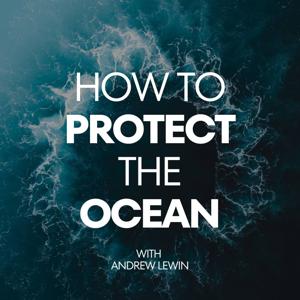


Based on Podcast App listening data
Thao Nguyen is a travel content creator with a background in marine conservation. She shares her inspiring journey, from doing graduate work on Marine Protected Areas in Indonesia to working in renewable energy to pursuing her passion for marine conservation. She discusses her transition into content creation, focusing on travel and marine conservation, and explains how she aims to inspire others, especially solo female travelers, to explore the world sustainably. Tune in to hear Thao's unique experiences and her perspective on being a creator in the travel industry while benefitting marine conservation and local people.
Connect with Thao Nguyen: Instagram: https://www.instagram.com/thaonguyening Website: www.thaotalks.com
Share your conservation journey on the podcast by booking here: https://calendly.com/sufb/sufb-interview Fill out our listener survey: https://www.speakupforblue.com/survey Join the audio program - Build Your Marine Science and Conservation Career: https://www.speakupforblue.com/career Facebook Group: https://bit.ly/3NmYvsIConnect with Speak Up For Blue: Website: https://bit.ly/3fOF3Wf Instagram: https://bit.ly/3rIaJSG Twitter: https://bit.ly/3rHZxpc
Are you tired of feeling frustrated and powerless in the face of misinformation about climate change? Have you been told to simply recycle and turn off the lights, only to see little progress toward a sustainable future? It's time to take action by recognizing fallacies and promoting productive conservation conversations. Join us in this episode as we explore the benefits of transitioning from fossil fuels, uncover ditactics, envision a sustainable economy, and gain the skills to detect fallacious arguments. Let's combat misinformation and work towards a healthier planet together.
In this episode, you will be able to:
Discover the long-term advantages of replacing fossil fuels with more sustainable energy sources.
Expose the diversion tactics utilized to sidetrack focus on climate change problems.
Contemplate the steps required to establish an economy resilient against environmentally damaging practices.
Understand the impact of effective communication by scientists and policymakers in lessening fossil fuel consumption.
Enhance your skills in discerning fallacious arguments that impede conservation progress.
The resources mentioned in this episode are:
Reduce your personal use of fossil fuels by using public transportation, biking, or walking whenever possible.
Support companies that prioritize sustainability and have transparent supply chains.
Educate yourself and others on the red herring fallacy and how to identify and challenge diversion tactics in conversations about climate change and ocean protection.
Advocate for government policies that prioritize reducing the use of fossil fuels and transitioning to a sustainable economy.
Support and invest in research and development of alternative energy sources and carbon sequestration technology.
Take action on a local level by participating in beach cleanups, supporting local conservation organizations, and advocating for environmental protections in your community.
Cutting Through the BS It is critical to pierce through the obfuscation and challenge manipulation tactics in environmental conversations, specifically addressing fallacies such as red herrings. By maintaining a keen awareness of these deceptive approaches and calling them out, individuals can ensure that conversations remain focused on the relevant issues, contributing to meaningful progress in combating climate change and protecting our oceans. In his podcast episode, Andrew Lewin emphasizes the importance of identifying and challenging the diversion tactics and fallacies used to sidetrack essential discussions about climate change and environmental conservation. He encourages listeners to be aware of these tactics in conversations and to remain steadfast in focusing on the central issues at hand. By cutting through these distractions, one can facilitate a more productive and impactful conversation surrounding environmental issues.
Call to Action Individuals, communities, and governments must take action to recognize fallacies, maintain focus during conversations, and work together to address the pressing environmental issues we face. By sharing experiences, knowledge, and stories, we can inspire others and promote a united effort toward environmental conservation and responsibility. Andrew Lewin asks listeners to share their thoughts on the impact of fallacies in conservation efforts, inviting open conversation and encouraging community building through shared experiences. He emphasizes the importance of inspiring others by sharing personal conservation journeys and challenges encountered in their efforts. Through open dialogue, collaborative thinking, and a unified focus on the environmental challenges we face, meaningful progress toward sustainability can be made.
Focus on Transitioning to a Sustainable Economy Shifting the focus of the conservation debate to emphasize the importance of transitioning to a sustainable economy is essential in addressing the impacts of climate change. By placing attention on renewable energy sources, sustainable practices, and eco-friendly developments, individuals, communities, and entire nations can work together to create a future that minimizes harm to our environment while fostering economic growth. Andrew Lewin encourages science communicators, climate activists, and policymakers to concentrate on reducing fossil fuel use and supporting companies and technologies striving for sustainability. He calls for empathetic and focused conversations that consider the multifaceted impact of climate change on our planet, emphasizing that this transition to a sustainable economy is crucial in the quest to protect our oceans.
Link to Article: https://bit.ly/3I9PnXb
Share your conservation journey on the podcast by booking here: https://calendly.com/sufb/sufb-interview Fill out our listener survey: https://www.speakupforblue.com/survey Join the audio program - Build Your Marine Science and Conservation Career: https://www.speakupforblue.com/career Facebook Group: https://bit.ly/3NmYvsIConnect with Speak Up For Blue: Website: https://bit.ly/3fOF3Wf Instagram: https://bit.ly/3rIaJSG Twitter: https://bit.ly/3rHZxpc
Just when I thought I understood the delicate balance between nature and human intervention along coastlines, the Dunes project revealed an unexpected twist that left me stunned. Get ready for a jaw-dropping revelation that will challenge everything you thought you knew about protecting our vulnerable shorelines.
In this episode, you will be able to:
Discover the critical role of sand dunes in safeguarding coastlines against erosion.
Uncover the objectives of the Dunes project in pinpointing vulnerable zones and preparing for erosion.
Realize the vulnerability of European nations to climate change and coastal flooding.
Delve into the history of human-environment interactions in coastal areas across the globe.
Find inspiration to take a stand in safeguarding our oceans for future generations.
If we can't do that [prepare for the vulnerability of coastal communities], those coastal communities are at risk and we don't know which ones will be more at risk than others. And these are people's livelihoods that we're talking about. - Andrew Lewin
The resources mentioned in this episode are:
Share your thoughts on coastal flooding and erosion on Instagram at @howtoprotecttheocean (https://bit.ly/3rIaJSG).
Book a conservation journey interview with Andrew Lewin through the calendar link: https://calendly.com/sufb/sufb-interview
Check out the Dunes project article on phys.org (https://bit.ly/3nDEpSR) for more information on how sand dunes can act as a barrier against erosion and flooding.
Consider using natural systems, such as sand dunes, to protect against erosion and flooding rather than human-altered systems.
Prepare for climate change and adapt to the consequences by identifying vulnerable areas and fortifying them with natural or human-altered systems.
Show appreciation for mothers and the sacrifices they make for their families.
Building on Past Successes Looking back at successful conservation efforts is vital in shaping the future of environmental protection. Understanding the factors that have contributed to these victories can offer valuable lessons and inspiration for future initiatives. In the podcast, Andrew Lewin expresses excitement for upcoming episodes, which will delve into past successes and challenges facing conservation efforts. By hearing from experts in ocean conservation, marine biology, and related fields, Lewin hopes to inspire others to take action and build on previous accomplishments, ultimately achieving positive results in protecting our oceans.
Challenges in Conservation The numerous challenges facing ocean conservation can seem insurmountable. However, understanding these obstacles and learning how to navigate them is key to protecting our coastlines and the marine ecosystems they support. Throughout the podcast, Andrew Lewin speaks passionately about the threats to our oceans and emphasizes the importance of overcoming these challenges. He calls listeners to action, encouraging them to take simple steps such as reducing single-use plastic to make a difference. By highlighting the successes and obstacles in conservation efforts, Lewin's podcast promises to offer valuable insights and advice that can inspire and guide coastal residents in their own battles to protect the ocean.
Dune's Evolution Understanding the evolution of sand dunes is vital to protecting coastlines from erosion. By learning how dunes have formed and developed over time, coastal residents can adapt their strategies to better suit the changing landscape. The interactions between humans and their coastal environments have left their mark on dunes, shaping their past and future evolution. During the podcast, Andrew Lewin discusses the international span of the Dunes project, which is researching coastal regions across countries like France, Portugal, the UK, Brazil, Mozambique, North America, and New Zealand. By examining the history of human-environment interactions in these coastal areas, the Dunes project aims to gain insights into how dunes have evolved and will continue to act as barriers against erosion in the face of climate change.
Share your conservation journey on the podcast by booking here: https://calendly.com/sufb/sufb-interview Join the audio program - Build Your Marine Science and Conservation Career: https://www.speakupforblue.com/career Facebook Group: https://bit.ly/3NmYvsI
Connect with Speak Up For Blue: Website: https://bit.ly/3fOF3Wf Instagram: https://bit.ly/3rIaJSG Twitter: https://bit.ly/3rHZxpc
Connect with Speak Up For Blue: Website: https://bit.ly/3fOF3Wf Instagram: https://bit.ly/3rIaJSG Twitter: https://bit.ly/3rHZxpc
Connect with Speak Up For Blue: Website: https://bit.ly/3fOF3Wf Instagram: https://bit.ly/3rIaJSG Twitter: https://bit.ly/3rHZxpc
Connect with Speak Up For Blue: Website: https://bit.ly/3fOF3Wf Instagram: https://bit.ly/3rIaJSG Twitter: https://bit.ly/3rHZxpc
Connect with Speak Up For Blue: Website: https://bit.ly/3fOF3Wf Instagram: https://bit.ly/3rIaJSG Twitter: https://bit.ly/3rHZxpc
Connect with Speak Up For Blue: Website: https://bit.ly/3fOF3Wf Instagram: https://bit.ly/3rIaJSG Twitter: https://bit.ly/3rHZxpc
Connect with Speak Up For Blue: Website: https://bit.ly/3fOF3Wf Instagram: https://bit.ly/3rIaJSG Twitter: https://bit.ly/3rHZxpc
Book your interview time: https://calendly.com/sufb/sufb-interview
Fill out our listener survey: https://www.speakupforblue.com/survey Join the audio program - Build Your Marine Science and Conservation Career: https://www.speakupforblue.com/career Facebook Group: https://bit.ly/3NmYvsIConnect with Speak Up For Blue: Website: https://bit.ly/3fOF3Wf Instagram: https://bit.ly/3rIaJSG Twitter: https://bit.ly/3rHZxpc
From the publisher's feed
Ranked by our users in the last 21 days

3,198 Listeners

606 Listeners

12,175 Listeners

391 Listeners
420 Listeners

162 Listeners

359 Listeners

24,536 Listeners
3,421 Listeners

112 Listeners

15,653 Listeners
179 Listeners

2,837 Listeners

2,463 Listeners

786 Listeners