
Sign up to save your podcasts
Or

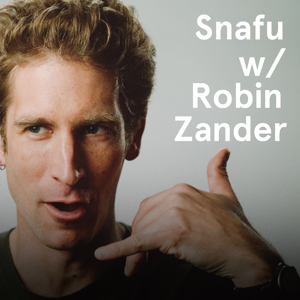

Robin Zander hosted a Snafu webinar for the Sidebar community on non-sales selling—think self-promotion for career transitions, freelancers, entrepreneurs, and product people. The goal: learn to "sell yourself" without the ick factor.
Participants shared fears: follow-ups feel intimidating, sales feels slimy, and success seems like a numbers game. Robin reframed it: selling is really about enrollment—being a chief evangelist for your work, not begging for attention.
Drawing on stories from his childhood pumpkin patch, his time as a personal trainer (where desperation lost him clients), and opening Robin's Cafe in San Francisco (raising $40k, serving multiple stakeholders, training staff with Danny Meyer's principles), he showed the difference between selling from need vs. service. Long-term success comes from genuine connection, curiosity, optimism, and passion.
Attendees explored their "authentic attitude" and reflected on times self-promotion felt good versus slimy. Exercises included mapping all the people who benefit from your work—employees, customers, managers, mentees, community—and practicing generosity in selling (a "Miracle on 34th Street" mindset: help customers even if it means sending them elsewhere).
In Q&A, Robin tackled:
Asking for promotions as modeling for others, especially women and minorities
Persistence in follow-ups (yes, emailing Mark Benioff 53 times counts)
Relationship-based enterprise selling
Avoiding fear-based AI marketing by knowing who you serve and what problem you solve
Recommended reading: Setting the Table (Danny Meyer), Unreasonable Hospitality (Will Guidara), The New Strategic Selling.
Robin also shared upcoming Snafu conference details (March 5, Oakland Museum of California) and reminded everyone: Snafu = situation normal; all fucked up.
00:00 Start 01:06 Audience Fears About SellingRobin Zander welcomes 93 participants to the webinar
Notes the session is interactive with exercises planned
Encourages participants to drop questions in chat or interrupt him
Last 15–20 minutes reserved for questions
Robin introduces himself briefly
Focuses on storytelling as a tool for self-promotion
Shares experience as a community builder
Runs a conference called Responsive since 2016 (not Snafu)
Tools, structures, and company cultures for resilient organizations
Two-day event each September on the future of work
Focus on building resilience in organizations
Observations on rapid change
Technology and work-life changes happening at a fast pace
Questions about resilience in individuals
Traits needed in careers, personal relationships, professional relationships
Ability to stay resilient through change
Robin frames his expertise
Emphasizes his strength in asking questions and fostering honest conversations
Labels himself a reluctant salesperson
Not the world's leading expert on self-promotion or selling
Key lessons from research and interviews
Two buckets matter in business and life:
Example: Sidebar community forming coalitions for learning and action
Operational excellence: being competent and at least as good as others Promotion/enrollment/sales: standing up, saying what you want, building coalitions
Started interviewing people about influence and persuasion
Started a weekly newsletter called Snafu
Written by hand, not AI
Shares lessons from his life and others about self-promotion and resilience
Focus on courage to take action: raising hand, offering something valuable
Core characteristics of self-promotion and selling yourself
Connecting with others: art of connection Courage to ask: inspired by Amanda Palmer's TED Talk and book The Art of Asking
Opposes traditional "always be closing" sales mentality
Advocates for simply asking for what you want
Current work mostly involves storytelling for large companies
Clients include Supersonic, Airbnb, Zappos, and others
Robin introduces the concept of storytelling for self-promotion
Stories used to:
Get promotions
Build coalitions
Propel career or organizational growth
Emphasizes turning personal, career, or company stories into "commercials"
Focus of today's talk: self-promotion with impact
Core principle: service
Showing up from a place of helping others
Through helping others, also helping oneself
Distinguishes between sleazy salespeople and effective self-promoters
Childhood anecdote: Robin's pumpkin patch
Tended plants all summer, learned responsibility and care
Harvested pumpkins and sold them using a small red tin box labeled "money"
Ran "Robin's Pumpkin Patch" for five to seven years
At age five, father had him plant pumpkin seeds
Engaged neighborhood kids for fun, collaborative promotion
Explained product (pumpkins) enthusiastically to potential buyers
Used scarecrow costumes and creative gestures to attract attention
Lessons learned from pumpkin patch:
Authentic enthusiasm creates value
Helping people do what they were already inclined to do
Early experience of earning and serving simultaneously
Self-promotion is most effective when it's service-driven, not manipulative
Applying childhood lesson to career and business
Asking for a raise
Persuading companies to choose one service over another
Promoting oneself or others (e.g., Evan, web developer)
Key principle: approach self-promotion from delight and service, not need or fear
Authentic enthusiasm as foundation for:
Interactive exercise for participants
Not influenced by sleep deprivation or stress
Could be inspired by childhood or adult experiences
Opposite of fear; personal and unique for each participant
Question posed: what is your authentic attitude when self-promoting?
Examples shared from participants:
Curiosity
Passion
Inspiration
Service to others
Observation
Possibility
Insight
Value
Helping others
Creativity
Belief in serendipity
Optimism
Key takeaway from exercise and story
Promoting from delight, enthusiasm, and service
Promoting from need or fear
Two versions of self-promotion:
Effective self-promotion aligns with authenticity and enthusiasm, creating value for others while advancing oneself
Robin shares the next story and sets up the next exercise
Gym culture is sales-heavy
Initial motivation: love of fitness, desire to help people
Quickly realizes environment incentivizes personal trainers to sell aggressively
Timeframe: ~20 years later, at age 20, moved to San Francisco
First post-college job: personal trainer in gyms
Early experience at gyms
Key lesson from early failure
Selling from need feels gross
Promoting oneself from fear or desperation leads to poor results
Recognizes similarity to unwanted sales calls received personally
First authentic success in self-promotion
Worked at Petro and World's Gym in San Francisco, Pilates instructor
Owner confronted Robin after two weeks: no clients, potential clients being lost to others
Threatened termination by Friday if no clients acquired
Robin froze under pressure, approached clients but with needy, desperate energy
Outcome: fired by Friday, left gym
Encounters man in pain on Valencia Street, offers help as personal trainer
Approach comes from genuine care, desire to serve
Leads to three-year working relationship, consistent sessions, good income
Next client: world-famous photographer Michael Light at UCSF swimming pool
Client comes from natural connection, not pushy salesmanship
Dichotomy observed:
Pushy, need-based self-promotion → freeze, poor results
Service-oriented self-promotion → natural connections, sustained relationships
Exercise for participants
Prompt: identify two moments:
One time self-promoting felt slimy → what were you doing?
One time self-promoting felt good → what were you doing differently?
Two-minute reflection / chat participation
Participant reflections/examples
Slimy examples:
Interviewing for a job during layoffs, giving desperate energy
Selling P&L at a hyperscaler
Selling computers and printers in UK post-college
Sales emails getting ghosted
Feeling inauthentic or performative, taking advantage of someone
Good examples:
Offering services out of care and love rather than ROI
Showing impact of work to junior child
Knowing services add real value and solve a challenge
Being clear on what the other person needs
Key takeaway
Self-promotion feels different depending on intent and knowledge
Slimy → desperate, inauthentic, unclear value to recipient
Authentic → service-driven, clear value, connection-focused
Effective self-promotion combines knowing your value and serving others, not just pushing for personal gain
Feeling good in self-promotion comes from genuinely helping, solving problems, and sharing information
Santa Claus hired at Macy's to hold kids and give candy canes, but real goal: persuade parents to buy from Macy's
Santa instead sends parents to competitor to truly serve them
Macy's manager initially furious
Outcome: customers feel genuinely served, return praising Macy's, become loyal fans
Robin references Miracle on 34th Street (original version)
Key insight: providing real value, even if it benefits someone else, eventually returns value to you
"Put enough bread across the water, eventually good things come back"
Participant reflections
Slimy: knowing audience expects judgment, catering to them for approval
Good: giving the gift of knowledge, providing service freely
Takeaway: authentic self-promotion is rooted in service, generosity, and sharing expertise, not manipulating for immediate gain
Robin shares a major professional turning point: opening Robin's Cafe in 2016
No restaurant experience beyond college busing tables
Opened in three weeks, eventually grew to 15 employees by 2018
Worked in multiple industries: Pumpkin patch, personal trainer, circus performer
Opened a café/restaurant in Mission District, San Francisco
Courage and conviction came from clear focus on service to others
Employees: create a great workplace, go-giver culture Investors: $40k raised from friends/family, provided value and potential return
Landlords (ODC, nonprofit dance center): wanted success of business to support community
Customers: diverse—tech workers, kids in dance classes, local community
Robin himself: financial sustainability, learning, personal growth
Key audiences served by Robin's Cafe
Approach to challenges
Used Danny Meyer's Setting the Table as a service-focused framework for employees
Philosophy: "giving in order to get paid"
Examples: spouse, kids, dog, manager, peers, mentees, clients, community, customers, extended family, mentors
Served multiple stakeholders during crises: break-ins, flooding, city permitting, neighborhood issues
Exercise: identify all the people who benefit from your work or success
Key idea: the more stakeholders served, the easier self-promotion becomes, because it comes from service, not need or pressure
Show up thinking: does this serve the person I'm talking to?
Principle: selling yourself from a place of service
Consider multiple stakeholders simultaneously
Audience question: elaborate on applying this service mindset specifically to asking for a promotion
Tying service to self-promotion in career advancement
Result: asking for a raise, applying for jobs, pitching clients—all easier and more authentic
Asking for a promotion from a place of service
Example: doing the role already, deserving recognition, asking for what you believe you've earned.
Personal perspective: advocating for yourself is a form of service to yourself
Recognize other stakeholders in the process:
Modeling courage and advocacy for the next generation
Authority enables ideas to be taken more seriously
Stories gained from new responsibilities enhance value to clients or teams
People you mentor, especially women or underrepresented groups
The organization: your promotion can make it stronger
Your family or children: showing them what it looks like to advocate
Concrete examples
Outcome: trajectory of career positively influenced, demonstrated courage, modeled behavior
Asking first time for a manager role
Later asking for VP title as a director
Courage and small steps
Courage = acting despite fear, not absence of fear
Practice by taking incremental steps toward what scares you
Avoid masking or hesitation; direct action builds confidence and results
Persistence and follow-up
Busy people require patience and multiple nudges
Example: Mark Stubbings emailing Mark Benioff 53 times before a yes
Persistence = respectful, consistent follow-ups
Role modeling for women and minorities
Demonstrates that asking is a normal, expected, and service-oriented act
Many don't ask for promotions or raises due to upbringing or cultural norms
Modeling advocacy teaches the next generation, including children, to speak up
Service mindset in practice
Approach self-promotion by asking: is this good for the other person?
Keep intention aligned with service, not desperation
Books for guidance:
Setting the Table – Danny Meyer: service-driven sales and employee culture
Unreasonable Hospitality – Will Guidara: lessons from the restaurant world on giving value and delight
Key takeaways for promotion and asking
Serve yourself, your mentees, your organization, and your broader audience
Take small, courageous steps to ask for what you deserve
Follow up respectfully and consistently; don't assume silence = no
Self-promotion becomes easier and authentic when rooted in service, not fear or need
Snafu Newsletter
Weekly newsletter written by Robin
Covers influence, persuasion, and modern workplace dynamics
A resource for ongoing learning and practical insights
Robin's newsletter covers influence, persuasion, and modern work.
Snafu Conference
 View all episodes
 By Robin P. Zander
5
1515 ratings
Robin Zander hosted a Snafu webinar for the Sidebar community on non-sales selling—think self-promotion for career transitions, freelancers, entrepreneurs, and product people. The goal: learn to "sell yourself" without the ick factor.
Participants shared fears: follow-ups feel intimidating, sales feels slimy, and success seems like a numbers game. Robin reframed it: selling is really about enrollment—being a chief evangelist for your work, not begging for attention.
Drawing on stories from his childhood pumpkin patch, his time as a personal trainer (where desperation lost him clients), and opening Robin's Cafe in San Francisco (raising $40k, serving multiple stakeholders, training staff with Danny Meyer's principles), he showed the difference between selling from need vs. service. Long-term success comes from genuine connection, curiosity, optimism, and passion.
Attendees explored their "authentic attitude" and reflected on times self-promotion felt good versus slimy. Exercises included mapping all the people who benefit from your work—employees, customers, managers, mentees, community—and practicing generosity in selling (a "Miracle on 34th Street" mindset: help customers even if it means sending them elsewhere).
In Q&A, Robin tackled:
Asking for promotions as modeling for others, especially women and minorities
Persistence in follow-ups (yes, emailing Mark Benioff 53 times counts)
Relationship-based enterprise selling
Avoiding fear-based AI marketing by knowing who you serve and what problem you solve
Recommended reading: Setting the Table (Danny Meyer), Unreasonable Hospitality (Will Guidara), The New Strategic Selling.
Robin also shared upcoming Snafu conference details (March 5, Oakland Museum of California) and reminded everyone: Snafu = situation normal; all fucked up.
00:00 Start 01:06 Audience Fears About SellingRobin Zander welcomes 93 participants to the webinar
Notes the session is interactive with exercises planned
Encourages participants to drop questions in chat or interrupt him
Last 15–20 minutes reserved for questions
Robin introduces himself briefly
Focuses on storytelling as a tool for self-promotion
Shares experience as a community builder
Runs a conference called Responsive since 2016 (not Snafu)
Tools, structures, and company cultures for resilient organizations
Two-day event each September on the future of work
Focus on building resilience in organizations
Observations on rapid change
Technology and work-life changes happening at a fast pace
Questions about resilience in individuals
Traits needed in careers, personal relationships, professional relationships
Ability to stay resilient through change
Robin frames his expertise
Emphasizes his strength in asking questions and fostering honest conversations
Labels himself a reluctant salesperson
Not the world's leading expert on self-promotion or selling
Key lessons from research and interviews
Two buckets matter in business and life:
Example: Sidebar community forming coalitions for learning and action
Operational excellence: being competent and at least as good as others Promotion/enrollment/sales: standing up, saying what you want, building coalitions
Started interviewing people about influence and persuasion
Started a weekly newsletter called Snafu
Written by hand, not AI
Shares lessons from his life and others about self-promotion and resilience
Focus on courage to take action: raising hand, offering something valuable
Core characteristics of self-promotion and selling yourself
Connecting with others: art of connection Courage to ask: inspired by Amanda Palmer's TED Talk and book The Art of Asking
Opposes traditional "always be closing" sales mentality
Advocates for simply asking for what you want
Current work mostly involves storytelling for large companies
Clients include Supersonic, Airbnb, Zappos, and others
Robin introduces the concept of storytelling for self-promotion
Stories used to:
Get promotions
Build coalitions
Propel career or organizational growth
Emphasizes turning personal, career, or company stories into "commercials"
Focus of today's talk: self-promotion with impact
Core principle: service
Showing up from a place of helping others
Through helping others, also helping oneself
Distinguishes between sleazy salespeople and effective self-promoters
Childhood anecdote: Robin's pumpkin patch
Tended plants all summer, learned responsibility and care
Harvested pumpkins and sold them using a small red tin box labeled "money"
Ran "Robin's Pumpkin Patch" for five to seven years
At age five, father had him plant pumpkin seeds
Engaged neighborhood kids for fun, collaborative promotion
Explained product (pumpkins) enthusiastically to potential buyers
Used scarecrow costumes and creative gestures to attract attention
Lessons learned from pumpkin patch:
Authentic enthusiasm creates value
Helping people do what they were already inclined to do
Early experience of earning and serving simultaneously
Self-promotion is most effective when it's service-driven, not manipulative
Applying childhood lesson to career and business
Asking for a raise
Persuading companies to choose one service over another
Promoting oneself or others (e.g., Evan, web developer)
Key principle: approach self-promotion from delight and service, not need or fear
Authentic enthusiasm as foundation for:
Interactive exercise for participants
Not influenced by sleep deprivation or stress
Could be inspired by childhood or adult experiences
Opposite of fear; personal and unique for each participant
Question posed: what is your authentic attitude when self-promoting?
Examples shared from participants:
Curiosity
Passion
Inspiration
Service to others
Observation
Possibility
Insight
Value
Helping others
Creativity
Belief in serendipity
Optimism
Key takeaway from exercise and story
Promoting from delight, enthusiasm, and service
Promoting from need or fear
Two versions of self-promotion:
Effective self-promotion aligns with authenticity and enthusiasm, creating value for others while advancing oneself
Robin shares the next story and sets up the next exercise
Gym culture is sales-heavy
Initial motivation: love of fitness, desire to help people
Quickly realizes environment incentivizes personal trainers to sell aggressively
Timeframe: ~20 years later, at age 20, moved to San Francisco
First post-college job: personal trainer in gyms
Early experience at gyms
Key lesson from early failure
Selling from need feels gross
Promoting oneself from fear or desperation leads to poor results
Recognizes similarity to unwanted sales calls received personally
First authentic success in self-promotion
Worked at Petro and World's Gym in San Francisco, Pilates instructor
Owner confronted Robin after two weeks: no clients, potential clients being lost to others
Threatened termination by Friday if no clients acquired
Robin froze under pressure, approached clients but with needy, desperate energy
Outcome: fired by Friday, left gym
Encounters man in pain on Valencia Street, offers help as personal trainer
Approach comes from genuine care, desire to serve
Leads to three-year working relationship, consistent sessions, good income
Next client: world-famous photographer Michael Light at UCSF swimming pool
Client comes from natural connection, not pushy salesmanship
Dichotomy observed:
Pushy, need-based self-promotion → freeze, poor results
Service-oriented self-promotion → natural connections, sustained relationships
Exercise for participants
Prompt: identify two moments:
One time self-promoting felt slimy → what were you doing?
One time self-promoting felt good → what were you doing differently?
Two-minute reflection / chat participation
Participant reflections/examples
Slimy examples:
Interviewing for a job during layoffs, giving desperate energy
Selling P&L at a hyperscaler
Selling computers and printers in UK post-college
Sales emails getting ghosted
Feeling inauthentic or performative, taking advantage of someone
Good examples:
Offering services out of care and love rather than ROI
Showing impact of work to junior child
Knowing services add real value and solve a challenge
Being clear on what the other person needs
Key takeaway
Self-promotion feels different depending on intent and knowledge
Slimy → desperate, inauthentic, unclear value to recipient
Authentic → service-driven, clear value, connection-focused
Effective self-promotion combines knowing your value and serving others, not just pushing for personal gain
Feeling good in self-promotion comes from genuinely helping, solving problems, and sharing information
Santa Claus hired at Macy's to hold kids and give candy canes, but real goal: persuade parents to buy from Macy's
Santa instead sends parents to competitor to truly serve them
Macy's manager initially furious
Outcome: customers feel genuinely served, return praising Macy's, become loyal fans
Robin references Miracle on 34th Street (original version)
Key insight: providing real value, even if it benefits someone else, eventually returns value to you
"Put enough bread across the water, eventually good things come back"
Participant reflections
Slimy: knowing audience expects judgment, catering to them for approval
Good: giving the gift of knowledge, providing service freely
Takeaway: authentic self-promotion is rooted in service, generosity, and sharing expertise, not manipulating for immediate gain
Robin shares a major professional turning point: opening Robin's Cafe in 2016
No restaurant experience beyond college busing tables
Opened in three weeks, eventually grew to 15 employees by 2018
Worked in multiple industries: Pumpkin patch, personal trainer, circus performer
Opened a café/restaurant in Mission District, San Francisco
Courage and conviction came from clear focus on service to others
Employees: create a great workplace, go-giver culture Investors: $40k raised from friends/family, provided value and potential return
Landlords (ODC, nonprofit dance center): wanted success of business to support community
Customers: diverse—tech workers, kids in dance classes, local community
Robin himself: financial sustainability, learning, personal growth
Key audiences served by Robin's Cafe
Approach to challenges
Used Danny Meyer's Setting the Table as a service-focused framework for employees
Philosophy: "giving in order to get paid"
Examples: spouse, kids, dog, manager, peers, mentees, clients, community, customers, extended family, mentors
Served multiple stakeholders during crises: break-ins, flooding, city permitting, neighborhood issues
Exercise: identify all the people who benefit from your work or success
Key idea: the more stakeholders served, the easier self-promotion becomes, because it comes from service, not need or pressure
Show up thinking: does this serve the person I'm talking to?
Principle: selling yourself from a place of service
Consider multiple stakeholders simultaneously
Audience question: elaborate on applying this service mindset specifically to asking for a promotion
Tying service to self-promotion in career advancement
Result: asking for a raise, applying for jobs, pitching clients—all easier and more authentic
Asking for a promotion from a place of service
Example: doing the role already, deserving recognition, asking for what you believe you've earned.
Personal perspective: advocating for yourself is a form of service to yourself
Recognize other stakeholders in the process:
Modeling courage and advocacy for the next generation
Authority enables ideas to be taken more seriously
Stories gained from new responsibilities enhance value to clients or teams
People you mentor, especially women or underrepresented groups
The organization: your promotion can make it stronger
Your family or children: showing them what it looks like to advocate
Concrete examples
Outcome: trajectory of career positively influenced, demonstrated courage, modeled behavior
Asking first time for a manager role
Later asking for VP title as a director
Courage and small steps
Courage = acting despite fear, not absence of fear
Practice by taking incremental steps toward what scares you
Avoid masking or hesitation; direct action builds confidence and results
Persistence and follow-up
Busy people require patience and multiple nudges
Example: Mark Stubbings emailing Mark Benioff 53 times before a yes
Persistence = respectful, consistent follow-ups
Role modeling for women and minorities
Demonstrates that asking is a normal, expected, and service-oriented act
Many don't ask for promotions or raises due to upbringing or cultural norms
Modeling advocacy teaches the next generation, including children, to speak up
Service mindset in practice
Approach self-promotion by asking: is this good for the other person?
Keep intention aligned with service, not desperation
Books for guidance:
Setting the Table – Danny Meyer: service-driven sales and employee culture
Unreasonable Hospitality – Will Guidara: lessons from the restaurant world on giving value and delight
Key takeaways for promotion and asking
Serve yourself, your mentees, your organization, and your broader audience
Take small, courageous steps to ask for what you deserve
Follow up respectfully and consistently; don't assume silence = no
Self-promotion becomes easier and authentic when rooted in service, not fear or need
Snafu Newsletter
Weekly newsletter written by Robin
Covers influence, persuasion, and modern workplace dynamics
A resource for ongoing learning and practical insights
Robin's newsletter covers influence, persuasion, and modern work.
Snafu Conference