
Sign up to save your podcasts
Or

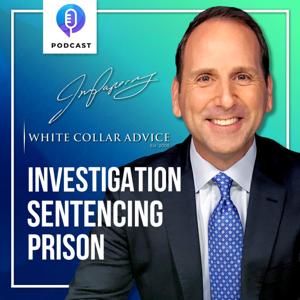

In this podcast episode titled "How To Sleep Well In Federal Prison," I share insights into the challenges of sleeping in a bright and noisy environment during my time in federal prison. Throughout my experience, I discovered strategies that significantly improved my sleep quality.
Here are key points to consider:
Engage in Physical Activity: Regular physical exercise played a transformative role for me. Incorporating activities like running and weightlifting, even if I hadn't exercised for years, left me exhausted and enabled me to sleep through noise and distractions. Prioritizing physical activity in your daily routine is crucial for better sleep in federal prison.
Establish a Consistent Routine: Following a consistent sleep schedule, including waking up early, helped me establish a reliable routine. Waking up early and going to bed at a constant time can assist in avoiding potential problems that often arise in the evenings, such as disturbances in common areas.
Create a Sleep-Conducive Environment: Despite the limitations of the prison setting, you can make your immediate sleeping area as comfortable as possible. Consider using earplugs to minimize noise disturbances and an eye mask to block excessive light.
Practice Relaxation Techniques: Some individuals I encountered while in federal prison found relaxation techniques helpful. You might explore deep breathing exercises or meditation to reduce stress and promote better sleep.
Minimize Stimulants and Electronic Devices: Avoiding stimulants, especially caffeine, is crucial for improved sleep. I advise against consuming coffee and suggest replacing television viewing before bed with reading a book.
Adjusting Well in Federal Prison: As you become more accustomed to the prison environment, there may be opportunities to request a transfer within the dormitory. Moving to quieter areas, such as the back of the dorm, can create a more conducive sleeping environment.
While these strategies cannot fully replicate the comfort of sleeping at home, they significantly contribute to a better sleep experience in federal prison.
Justin Paperny
 View all episodes
 By Justin Paperny

4.9
1717 ratings
In this podcast episode titled "How To Sleep Well In Federal Prison," I share insights into the challenges of sleeping in a bright and noisy environment during my time in federal prison. Throughout my experience, I discovered strategies that significantly improved my sleep quality.
Here are key points to consider:
Engage in Physical Activity: Regular physical exercise played a transformative role for me. Incorporating activities like running and weightlifting, even if I hadn't exercised for years, left me exhausted and enabled me to sleep through noise and distractions. Prioritizing physical activity in your daily routine is crucial for better sleep in federal prison.
Establish a Consistent Routine: Following a consistent sleep schedule, including waking up early, helped me establish a reliable routine. Waking up early and going to bed at a constant time can assist in avoiding potential problems that often arise in the evenings, such as disturbances in common areas.
Create a Sleep-Conducive Environment: Despite the limitations of the prison setting, you can make your immediate sleeping area as comfortable as possible. Consider using earplugs to minimize noise disturbances and an eye mask to block excessive light.
Practice Relaxation Techniques: Some individuals I encountered while in federal prison found relaxation techniques helpful. You might explore deep breathing exercises or meditation to reduce stress and promote better sleep.
Minimize Stimulants and Electronic Devices: Avoiding stimulants, especially caffeine, is crucial for improved sleep. I advise against consuming coffee and suggest replacing television viewing before bed with reading a book.
Adjusting Well in Federal Prison: As you become more accustomed to the prison environment, there may be opportunities to request a transfer within the dormitory. Moving to quieter areas, such as the back of the dorm, can create a more conducive sleeping environment.
While these strategies cannot fully replicate the comfort of sleeping at home, they significantly contribute to a better sleep experience in federal prison.
Justin Paperny

78,764 Listeners

229,657 Listeners

6,460 Listeners

113,035 Listeners

56,821 Listeners

10,213 Listeners