
Sign up to save your podcasts
Or



The podcast could start by discussing the general themes of trust and responsibility in AI, drawing on the findings from the study on AI advice to set the stage. This could lead to a discussion of algorithmic resignation as a potential solution for mitigating the risks of AI overreliance. The conversation could then shift to representation alignment and explainability, emphasizing the importance of designing AI systems that are both effective and understandable to humans. Finally, the podcast could conclude by exploring the possibilities of open human-robot collaboration, highlighting its potential benefits and the ongoing research in this area.
The Quantum Shore: A Guide to Organizational Transformation in the Digital Age
Study Guide
Glossary of Key Terms
Adaptive Capacity: The ability of a system, whether an individual, team, or organization, to adjust to changing conditions, overcome challenges, and capitalize on new opportunities.
Agile Decision-Making: The capacity to make timely and effective decisions in dynamic and unpredictable environments.
Ambidexterity: The ability of an organization to simultaneously exploit existing capabilities and explore new possibilities.
Cognitive Inertia: The tendency of individuals and organizations to resist changing their established ways of thinking and behaving, even when faced with evidence that suggests the need for change.
Cultural Foundations: The underlying values, beliefs, norms, and behaviors that shape an organization's culture.
Digital Ecosystems: Interconnected networks of organizations, technologies, and individuals that collaborate and exchange value in a digital environment.
Digital Maturity: The extent to which an organization has integrated digital technologies and practices into its operations, strategy, and culture.
Emotional Intelligence: The ability to perceive, understand, manage, and leverage emotions in oneself and others.
Ethical Intelligence: The capacity to navigate complex moral landscapes, make values-aligned decisions, and consider the broader implications of business actions.
Evolutionary Leadership: A leadership approach that emphasizes continuous growth, adaptation, and the ability to guide organizations through periods of transformation.
Exploitation: The process of refining and leveraging existing knowledge, resources, and capabilities to maximize efficiency and effectiveness.
Exploration: The pursuit of new knowledge, ideas, and opportunities, often involving experimentation, risk-taking, and a willingness to embrace uncertainty.
Growth Mindset: The belief that intelligence and abilities are not fixed but can be developed through effort, learning, and persistence.
Innovation Mindset: A mental orientation characterized by a willingness to embrace new ideas, experiment with different approaches, and learn from failures.
Legacy Systems: Older technology systems that are often outdated and inflexible, posing challenges for organizations seeking to adopt new technologies and practices.
Network Intelligence: The ability to leverage the collective wisdom and capabilities of a distributed network of individuals and systems.
Paradoxical Thinking: The capacity to hold and reconcile seemingly contradictory ideas or goals, recognizing that complex solutions often require embracing multiple perspectives.
Purpose-Driven Integration: The alignment of an organization's actions, strategies, and culture with its core purpose and values.
Quantum Shore: A metaphorical representation of a paradigm shift in organizational thinking and operation, characterized by adaptability, consciousness, and interconnectedness.
Regenerative Practices: Business practices that go beyond sustainability to actively restore, renew, and enhance the social and ecological systems within which the organization operates.
Social System Navigation: The ability to understand and effectively influence organizational networks and relationships.
Strategic Ambidexterity: The ability to balance and integrate both exploitative and explorative activities within an organization's strategic decision-making and resource allocation.
Strategic Vision: A clear and compelling articulation of an organization's long-term goals and aspirations, providing direction and inspiration for its transformation efforts.
Structural Inertia: Resistance to change arising from an organization's established hierarchies, processes, and systems.
Systemic Awareness: The understanding of how an organization is interconnected with broader systems and the ability to recognize the ripple effects of its actions.
Team Excellence: The achievement of high levels of performance, collaboration, and innovation within a team setting.
Technical Debt: The accumulated cost of maintaining and updating legacy technology systems, often hindering an organization's ability to adopt new technologies and practices.
Traditional Shore: A representation of established organizational practices, mindsets, and systems that have shaped businesses for decades.
Transformation Leadership: A leadership style that focuses on guiding and supporting organizational change, empowering employees, and creating a vision for the future.
Quiz
Instructions: Answer the following questions in 2-3 sentences each.
Answer Key
Drawing from Muammar Lone's extensive research and practical implementation strategies, the documentary showcases real-world applications of AI assistance that feel less like technology and more like a natural extension of human capability. From dawn to dusk, we observe the graceful dance between human intention and digital enhancement, revealing how AI agents can amplify our natural abilities without overshadowing our humanity. This POD code is to introduce to the book. The documentary will be played on gai-observe.online.
**Muammar Lone** brings two decades of transformative leadership experience across GE and Fortune 500 organizations to this comprehensive guide. As a seasoned executive leader and strategic advisor, he has guided numerous organizations through digital transformation initiatives, regulatory challenges, and strategic repositioning. His Executive MBA and hands-on experience bridge the crucial gap between academic theory and practical business application.
Known for his innovative approach to business analysis, Muammar has been a pioneer in integrating traditional business frameworks with modern digital considerations. His work has influenced how organizations approach strategic decision-making in an increasingly complex business environment.
The book suggests that embracing AI is crucial for individuals and organizations to thrive in the future of work. The author consistently emphasizes that resisting technological change is not a viable option.
Here's why embracing AI is essential:
The overarching message of the sources is that the future of work is not about humans versus machines, but about humans elevated by machines. To achieve this elevation, individuals and organizations must actively embrace AI and develop the skills and strategies to effectively collaborate with these technologies.
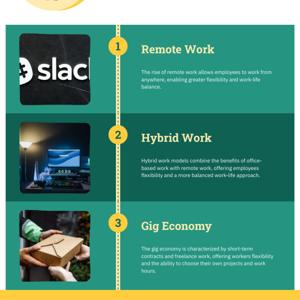
The provided text excerpts are from a book and accompanying materials focused on future-proofing careers in the age of artificial intelligence. Muammar Lone's book, Humanity Elevated, argues that AI will augment, not replace, human capabilities, emphasizing the importance of uniquely human skills like emotional intelligence and ethical decision-making. Supplementary materials explore the historical evolution of work, the impact of technological and demographic shifts, and the rise of the gig economy. These materials also offer practical frameworks for developing future-proof skills, building resilient careers, and managing personal brands in the digital age. Finally, the text includes strategies for navigating the hybrid workplace, enhancing well-being, and planning for long-term career success.
From the publisher's feed