
Sign up to save your podcasts
Or

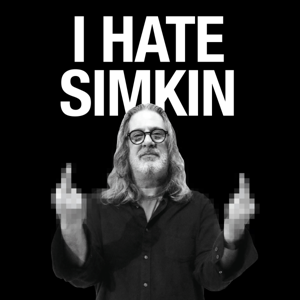


Every summer Jonathan heads to Toronto, where most of 604’s industry partners are based. This year the mood was different: major label layoffs, a wave of takeovers of independent Canadian labels, shifting streaming numbers, and AI on top of it all.
Jonathan breaks down what’s behind the panic, what it could mean for the business, and the one thing that restored his faith: a Saturday afternoon at Sonic Boom, where the line stretched out for hours and young people were buying CDs and vinyl again.
Then he goes back to 2011 for the 15th anniversary of Theory of a Deadman’s gold-certified The Truth Is: how the singles were chosen, why a love song was pushed against the grain, a nursery rhyme origin story, and what to do when a song title sparks complaints.
Theory of a Deadman have signed vinyl, special editions of albums and more available on the 604 store: https://604shop.com/collections/theory-of-a-deadman?srsltid=AYCX9vKFZ31MCRVKMocdNM6WNAJl51x2ZPYSYEf8QPI_Oen80Wik8RHR
Subscribe to I Hate Simkin for bi-weekly deep dives into iconic Canadian music stories, behind-the-scenes label moments, and artist's career turning points. Likes, comments, and feedback help massively — thank you for supporting the show.
Hosted on Acast. See acast.com/privacy for more information.
Streaming services hand labels a spreadsheet with a number in a cell and no receipts. Andrew Batey built the technology to check it, and found a fraud problem nobody knew existed.
Jonathan sits down with Andrew, co-founder of Vancouver's BeatDapp, to explain how a real-time audit tool for streaming counts turned into one of the music industry's biggest fraud-fighting operations. They cover why audits can miss 20–35% of plays, how fraudsters hide behind unsuspecting artists (34,000 flagged, only 3 actually guilty), the landmark US streaming fraud case, and the hacked prison tablets that became a fraud machine.
They also dig into AI music: why real AI tracks average about one stream per listener, why heavy AI use so often points to fraud, and where Andrew thinks AI is genuinely useful for artists. Plus SoundExchange, BeatDapp's Battle of the Bands, how Andrew won his first pro fight and ended up buying a brewery, and why Jonathan will never sign a band just because it's already viral.
Subscribe to I Hate Simkin for bi-weekly deep dives into iconic Canadian music stories, behind-the-scenes label moments, and artist's career turning points. Likes, comments, and feedback help massively — thank you for supporting the show.
Hosted on Acast. See acast.com/privacy for more information.
Coleman Hell, the Thunder Bay singer-songwriter behind "Two Heads" and "Fireproof," sits down with Jonathan to look back on a wild decade, just as the 10th anniversary edition of Summerland arrives.
In this episode Coleman talks:
• How his mom sent a rap mixtape to 604 without telling him
• Recording "Two Heads" in a single night, then watching it blow up
• Writing with Chad Kroeger and the lyric that became "Fireproof"
• Signing with Columbia and what happens when your A&R leaves
• Touring with Twenty One Pilots and Robert DeLong
• The Juno Awards sound disaster, and the comfort Jann Arden gave him backstage
• Growing up in Thunder Bay, Supertramp and The Cars
• The world-building behind Summerland
Stream the Summerland 10th anniversary edition, out now. A karaoke version of "Two Heads" is coming soon. Subscribe to I Hate Simkin for bi-weekly deep dives into iconic Canadian music stories, behind-the-scenes label moments, and artist's career turning points. Likes, comments, and feedback help massively — thank you for supporting the show.
Hosted on Acast. See acast.com/privacy for more information.
Jonathan gets a little emotional as he reunites with the founding minds behind one of Vancouver's most enduring indie-pop mainstays: Zach Gray and Tom Dobrzanski of The Zolas.
In their first-ever podcast appearance together, Zach and Tom help piece together a blurry, 18-year timeline of indie music history. Jonathan tells them that he literally launched an entirely new division of his company, Light Organ Records, as a tactical "white label" maneuver just to make the hipster-leaning band feel comfortable signing with him over the shadow of 604's related commercial acts (Nickelback, Theory of a Deadman, Marianas Trench etc.).
They chat about the early days of Lotus Child, carpooling to choir practice across Prince of Wales and Point Grey high schools, and the agonizing overnight shoots for the "Not In My Heart" stop-motion video. They also reflect on their atmospheric masterpiece Ancient Mars and how a music video inspired by the tragic Elisa Lam case ultimately forced them to change creative direction out of respect for her family.
Subscribe to I Hate Simkin for bi-weekly deep dives into iconic Canadian music stories, behind-the-scenes label moments, and artist's career turning points. Likes, comments, and feedback help massively — thank you for supporting the show.
Hosted on Acast. See acast.com/privacy for more information.
Jonathan sits down with music researcher, author, and former Twitter Canada head of communications Cam Gordon to trace 25 years of the music industry going digital — from the early download-store wars with Puretracks, to Napster panic and DRM fights, to the day Spotify changed everything.
They dig into 604's early decision to hold onto its digital rights, the disaster of 360 deals, the Marianas Trench "Hot Chocolate" video that changed how the label thought about the internet, Bieber's tweet that helped launch Carly Rae Jepsen, and why Cam thinks the AI moment right now feels a lot like 2001 all over again.
Cam's book, Track Changes: The Origin Story of Canadian Music on the Internet, 1990–2010, is out now — find it at your local bookseller or follow @trackchanges_ca on Instagram for the archive of clips and old ads that go with it.
Subscribe to I Hate Simkin for bi-weekly deep dives into iconic Canadian music stories, behind-the-scenes label moments, and artist's career turning points. Likes, comments, and feedback help massively — thank you for supporting the show.
Hosted on Acast. See acast.com/privacy for more information.
Not the Plaque Series — something a bit looser. This week Jonathan digs through everything that's piled up around the 604 offices lately: Plaques, an award, and one very personal autographed CD, going through them one by one as each turns into a story.
Jonathan also takes a look at just how much the music business has shifted — Warner Canada's leadership change, mass layoffs across the majors, and SOCAN's move to absorb CMRRA etc., as well as a longer term look at cultural and structural improvements that have happened across the years.
The episode includes analysis & stories around:
- Elliot Smith's unparalleled lyrics
- Where Nickelback's San Quentin idea came from
- Receiving Billboard recognition & why people appreciate different characters in music now
- Fionn's recent rise and developing teenage artists
- A look back on Dallas Smith's decision to go country & why more Default tracks are likely ahead
- & Much more!
Subscribe to I Hate Simkin for bi-weekly deep dives into iconic Canadian music stories, behind-the-scenes label moments, and artist's career turning points. Likes, comments, and feedback help massively — thank you for supporting the show.
Hosted on Acast. See acast.com/privacy for more information.
It's been almost two decades since Jonathan last spoke with Olivier and Sam of The Suits XL — the Quebec City pop act that became 604 Records' first francophone signing and first Top 10 pop hit with "Play."
To mark the 20th anniversary reissue of their album Quarterlife Crisis, the trio gets back together (virtually) to trace the band's whole arc: how a manager named Frank connected them with 604, the marathon recording sessions with the Berman Brothers and legendary Quebec engineer Rob Einy, shooting the "Play" video in Cuba, and the stranger, moodier world of the "Low" video shoot in Burnaby.
They also talk honestly about how the band quietly wound down, what it's like hearing your own record streamed back at you two decades later, the real (and much darker) meaning behind the lyrics of fan-favorite "Le Plaisir," and they remember bandmate Yohann Gosselin, who passed away a few years ago — his talent, his complicated relationships with the people around him, and the community that rallied for him at the end.
Plus: two previously unreleased bonus tracks, an acoustic live take on "Play," and why Jonathan still can't pronounce anybody's last name. You can find the anniversary record here: https://ffm.to/thesuitsxl
Subscribe to I Hate Simkin for bi-weekly deep dives into iconic Canadian music stories, behind-the-scenes label moments, and artist's career turning points. Likes, comments, and feedback help massively — thank you for supporting the show.
Hosted on Acast. See acast.com/privacy for more information.
CBC producer Taron Cochrane has spent years telling stories about Canadian music. In this conversation with Jonathan Simkin they cover everything from championing Saskatchewan artists to helping bring national attention to The Raccoons soundtrack revival.
Along the way they discuss Canadian punk legends DOA, The Northern Pikes, Propagandhi, rare vinyl collecting, music journalism, Expo 86, Walter Ostanek, and why Canada has far more musical history than most people realize.
The conversation includes: Taron's role at CBC Saskatchewan & Manitoba
Championing Saskatchewan artists on national radio
The story behind The Raccoons revival
Working with Kevin Gillis
Northern Pikes history and Saskatchewan music
DOA, Joey Shithead and Canadian punk
Rare vinyl collecting and music memorabilia
Why local music scenes matter
The future of Canadian music
Subscribe to I Hate Simkin for bi-weekly deep dives into iconic Canadian music stories, behind-the-scenes label moments, and artist's career turning points. Likes, comments, and feedback help massively — thank you for supporting the show.
Hosted on Acast. See acast.com/privacy for more information.
This episode is a little different.
Jonathan is joined by his son, Connell Simkin Watt, and Connell's girlfriend, Toronto-based singer-songwriter Ally, for a conversation about songwriting, music school, and launching a career in today's music industry.
Ally shares the story behind her upcoming debut single "Rabbit Hole," how a dream inspired the song, and what it's been like developing her sound while studying music in Toronto. She also opens up about pursuing music as a visually impaired artist and the impact she hopes her work will have.
The conversation also covers:
The story behind Connell's unusual name
Growing up around the music business
Jonathan's memories of choosing "Call Me Maybe" as Carly Rae Jepsen's breakthrough single
Nickelback concerts, TIFF, and backstage stories
Musical influences including Radiohead, Billie Eilish, Taylor Swift, Fionn, Marianas Trench, and more
Advice for emerging artists
Subscribe to I Hate Simkin for bi-weekly deep dives into iconic Canadian music stories, behind-the-scenes label moments, and artist's career turning points. Likes, comments, and feedback help massively — thank you for supporting the show.
Hosted on Acast. See acast.com/privacy for more information.
Jonathan welcomes a true industry titan and longtime friend: Ron Burman, the legendary former A&R executive at Roadrunner Records who famously signed Nickelback.
Jonathan and Ron jump into a time capsule to reconstruct the late-'90s grind that launched a multi-platinum powerhouse. They reveal how Chad Kroeger used to prank-call radio stations pretending to be an indie promoter, the exact moment Ron got goosebumps watching the band play "Leader of Men" in a damp Vancouver venue, and the uphill battle of pitching a mainstream rock band to a hardcore metal label.
Plus stories like watching a sold-out Hammerstein Ballroom show side-stage with Jay-Z and Lyor Cohen.
This episode is available in video on Youtube or Spotify, and in audio form on other podcast platforms. Subscribe to I Hate Simkin for bi-weekly deep dives into iconic Canadian music stories, behind-the-scenes label moments, and artist's career turning points. Likes, comments, and feedback help massively — thank you for supporting the show.
Hosted on Acast. See acast.com/privacy for more information.
From the publisher's feed
Hosted on Acast. See acast.com/privacy for more information.