
Sign up to save your podcasts
Or

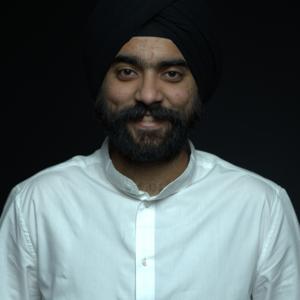


Most people dealing with hair loss feel alone. Embarrassed. Like they’re the only one. Anand Dureja felt that too, and built an entire company so nobody else has to go through it alone.
Anand Dureja has one of the most impressive CVs in India — IIT Delhi, Harvard Business School, McKinsey, OYO, Urban Company. He could have done anything. He chose to build a hair loss clinic. Not because it was glamorous. Because he had personally lived through the painful, confusing, expensive journey of hair loss and realised the market was completely broken. No trusted brand. No transparent pricing. No reliable outcomes. Just a fragmented mess of unorganised clinics each pushing their own agenda.
In 2022, he co-founded Evoke, a tech-enabled, affordable hair loss clinic chain built for the 60% of Indian men who will experience significant hair loss by age 35. In just two years, Evoke has scaled to multiple cities, cracked single-unit economics, and built a repeat patient model where trust does what marketing usually has to.
In this episode, Anand breaks down the emotional reality of hair loss that most brands ignore, how Evoke built a clinic model that actually makes money from day one, what McKinsey and Harvard really taught him about building businesses, how data decides which cities Evoke enters next, and why staying lean is the most underrated competitive advantage in healthcare.
This is a rare, honest masterclass on building a healthcare startup from someone who gave up everything to solve a problem he lived through himself.
📌 Timestamps
00:00 – Trailer
01:11 – Introduction
03:33 – Why Evoke Was Built to Solve Hair Loss
07:26 – Understanding the Hair Loss Customer
12:26 – The Emotional Side of Hair Loss
14:00 – How to Run a Hair Transplant Clinic
19:11 – Building a Healthcare Business From Scratch
24:24 – How Evoke Hires & Trains Talent
28:00 – How Evoke Chooses New Cities
32:00 – Using Data to Find the Right Markets
37:25 – How to Make a Clinic Profitable
45:06 – Building a Lean Startup Team
48:44 – Lessons From McKinsey & Harvard
54:28 – Advice to Your Younger Self
58:18 – Outro
🎙️ Guest: Anand Dureja, Founder & CEO, Evoke
Everybody is looking for hope. — Anand Dureja
#Evoke #AnandDureja #IndianSiliconValley #ISVPodcast #HairLoss #HairTransplant #HairLossIndia #HealthcareStartup #StartupIndia #IndianStartup #IITDelhi #HarvardBusinessSchool #McKinsey #OYO #UrbanCompany #FounderStory #Entrepreneurship #HealthcareIndia #HairClinic #MensHealth
₹22,000 Crore revenue. ₹603 Crore profit. Profitable from day one. And most people have never heard of them. This is India's biggest secret startup.
Vasant Sridhar is the Co-Founder & CSO of OfBusiness, India's largest B2B commerce and SME financing platform. While every startup in India was chasing D2C brands, consumer apps and quick commerce, OfBusiness quietly built the invisible operating layer that powers India's entire manufacturing ecosystem. Steel, chemicals, polymers, agri-commodities, apparel, if a small or medium enterprise in India is buying raw material or selling finished goods, chances are OfBusiness is somewhere in that chain.
45% of India's exports. 40% of India's employment. 35% of India's GDP. All powered by small and medium enterprises. And OfBusiness built the operating system for all of them.
In this episode, Vasant breaks down how OfBusiness chose the sectors nobody wanted to touch, why B2B commerce is the most misunderstood business model in India, how they built customer empathy in industries where trust takes years to earn, why 40% of what they sell is now manufactured or processed in-house, and what a decade of building one of India's most profitable companies actually looks like from the inside.
This is not a flashy startup story. No viral campaigns. No celebrity investors. No hype. Just a ₹22,000 Crore business built on discipline, customer obsession, and doing the hard things nobody else wanted to do.
📌 Timestamps
00:00:00 — Introduction
00:02:31 — What problem does OfBusiness solve?
00:05:49 — What moves the needle for customers?
00:08:36 — How does the supply side work?
00:10:51 — How do you choose sectors and geographies?
00:14:26 — What do people misunderstand about B2B?
00:19:14 — How did you develop customer empathy?
00:21:59 — How do you build the right team?
00:26:52 — How do you decide what to build next?
00:29:13 — How do you decide what to integrate?
00:33:58 — Where does OfBusiness add efficiency?
00:37:31 — Is the business domestic and export-focused?
00:38:11 — How has government policy impacted the business?
00:40:53 — What keeps you motivated after 10 years?
00:44:42 — How have the challenges changed over time?
00:47:54 — What makes a great leader?
00:48:48 — What do you look for in young talent?
00:54:48 — Is deeper backward integration coming?
00:59:34 — What would you tell your younger self?
01:02:43 — Outro
🎙️ Guest: Vasant Sridhar, Co-Founder & CSO, OfBusiness & Oxyzo
The most profitable unicorn in India. The one nobody talks about. Until now.
#OfBusiness #VasantSridhar #Oxyzo #IndianSiliconValley #ISVPodcast #B2BCommerce #SMEIndia #ManufacturingIndia #SupplyChainIndia #StartupIndia #IndianStartup #B2BIndia #SoftBank #TigerGlobal #ProfitableStartup #IndianUnicorn #FounderStory #Entrepreneurship #IPOIndia #SMEFinancing
Your spices were ground 3 months ago. Your milk lasts 15 days. And nobody told you. Anant Goel found out — and built an entire company to fix it.
Anant Goel co-founded Milkbasket in 2015 — pioneered overnight, contactless grocery delivery in India, scaled it to hundreds of thousands of households across Delhi-NCR, Hyderabad and Bengaluru, and sold it to Reliance Retail for $40 million in 2021. Most founders would have stopped there.
He didn't.
While Blinkit, Zepto and Swiggy Instamart raced to 10-minute delivery, Anant asked a completely different question — what if the problem with Indian grocery isn't speed? What if it's freshness? What if the spice you're cooking with today was ground three months ago? What if the milk in your fridge lasts 15 days because of what they put in — or took out?
That question became Handpickd — India's first zero-stock, zero-inventory fresh commerce platform. No warehouses. No packaged SKUs. No forced bundles. Just farm-fresh fruits, vegetables, dairy and spices delivered exactly how you'd pick them yourself. The platform has already turned EBITDA positive in Gurugram, raised $22.5M in funding, and is now expanding to Bengaluru — one fresh delivery at a time.
In this episode, Anant breaks down why quick commerce is fundamentally getting freshness wrong, what his "time compression theory" reveals about modern food, why Indian consumers only waste 4% of groceries versus 40% in the US, and what it really means to build a sustainable business when everyone else is chasing growth at any cost.
This is the comeback story nobody expected — and the food truth nobody wanted to hear.
📌 Timestamps
00:00 – Trailer
00:59 – Introduction
02:17 – Meet Anant Goel & The Handpickd Story
05:00 – Why Quick Commerce Gets Freshness Wrong
09:00 – The Time Compression Theory
15:00 – Zero Warehouse. Zero Dark Store. Zero Cold Storage.
22:00 – How Indian Consumers Actually Buy Fresh
28:00 – Why Handpickd Sells Fewer Products Than Everyone Else
35:00 – Building a Supply Chain With No Inventory
42:00 – Dairy, Spices & Expanding Beyond Fruits & Vegetables
50:00 – Lessons From Building & Selling Milkbasket to Reliance
58:00 – Hiring & Building Culture During Rapid Growth
01:03:00 – Where Is Commerce Heading Next?
01:09:00 – Advice for Founders Building in Consumer Commerce
01:12:20 – Outro
---
🎙️ Guest: Anant V. Goel, Co-Founder & CEO, Handpickd | Founder, Milkbasket
Next time you open your grocery bag — ask yourself. Is this actually fresh?
₹5 lakh membership fee. And you can still get rejected. This is India's most exclusive club — and this is the story of the man who built it.
Vivek Narain spent decades in the hospitality industry — working across some of the world's finest luxury hotels and understanding what truly premium experiences feel like. Then he asked a question nobody in India was asking — why doesn't India have a world-class private members club? Not a gym. Not a co-working space. A real, curated community of India's most interesting people — founders, artists, investors, creators — all under one roof.
In 2018, he co-founded The Quorum — India's first true private members club, inspired by the likes of Soho House but built entirely for the Indian sensibility. Starting in Gurugram with 450 carefully selected members, The Quorum survived COVID when it had every reason to shut down, and came out stronger on the other side. Today it's expanding to Mumbai, Bengaluru and beyond — with a ₹500 crore vision and a community that India's power players genuinely want to be part of.
In this episode, Vivek breaks down why he believes community is the new luxury, how The Quorum curates its members so carefully that money alone can't get you in, what it took to survive COVID as a hospitality business, and why India is finally ready for a world-class private members club.
This isn't just a hospitality story. This is a story about building the room where India's most interesting people want to be.
📌 Timestamps
00:00 – Trailer
02:00 – Introduction & Vivek's Background
06:00 – The Idea Behind The Quorum
10:00 – Building India's First Private Members Club
15:00 – How The Quorum Curates Its Members
20:00 – Why Money Alone Can't Get You In
25:00 – Surviving COVID & Coming Back Stronger
30:00 – Expanding to 4 Cities & ₹500 Crore Vision
35:00 – What Luxury Really Means in India Today
40:00 – Lessons for Founders & Entrepreneurs
45:00 – Outro
🎙️ Guest: Vivek Narain, Co-Founder & CEO, The Quorum
🎧 Listen on: Spotify | Apple Podcasts | JioSaavn
"Community is the new luxury." — Vivek Narain
#TheQuorum #VivekNarain #IndianSiliconValley #ISVPodcast #LuxuryIndia #PrivateMembersClub #SohoHouse #HospitalityIndia #StartupIndia #IndianEntrepreneur #ExclusiveClub #NetworkingIndia #LuxuryLifestyle #FounderStory #CommunityBuilding
His father was in the hospital for 10 days. When it was time to go home, the insurance company said — sorry, this isn't covered. That moment changed everything.
Ankit Agarwal grew up across Bihar, Assam, Calcutta and Darjeeling — a true Indian, as he calls himself. Before InsuranceDekho, he was selling goods from Thailand in Calcutta, doing event management, and figuring out life one hustle at a time. Then in 2012, his father fell seriously ill. After 10 days in hospital, the family discovered that years of paying insurance premiums meant nothing — the claim was rejected, and a middle class family was left scrambling to pay lakhs out of pocket.
That was the moment Ankit stopped looking for a problem. He found a solution.
In 2017, he co-founded InsuranceDekho — starting offline, going to places like Bahadurgarh where nobody else wanted to go, cutting his birthday cake at midnight sitting on top of a car with his team. Today InsuranceDekho has raised $362M, crossed ₹1,290 crore in revenue, built a network of 2.2 lakh agent partners, and is on its way to putting an insurance agent in every single village in India.
In this episode, Ankit breaks down how he built India's largest insurtech from scratch, why he went offline when everyone else was going online, how he survived a brutal competitor war eyeball to eyeball, and why he believes — if you want to start something, start now. Don't wait.
This is not just a startup story. This is a story about what happens when personal pain becomes national purpose.
---
📌 Timestamps
- 00:00 – Introduction
- 02:00 – From Bihar to Building InsuranceDekho
- 05:00 – The Hospital Bill That Started It All
- 08:00 – The 0 to 1 Journey — Going Offline First
- 12:00 – Surviving the Competitor War
- 18:00 – Building 2.2 Lakh Agent Network
- 24:00 – Raising $362M & Scaling InsuranceDekho
- 30:00 – The Future of Insurance in India
- 35:00 – Advice for Young Founders
- 37:00 – Outro
---
🎙️ Guest: Ankit Agarwal, Co-Founder & CEO, InsuranceDekho
🎧 Listen on: Spotify | Apple Podcasts | JioSaavn
You make money by looking for a solution — not a problem." — Ankit Agarwal
#InsuranceDekho #AnkitAgarwal #IndianSiliconValley #ISVPodcast #Insurtech #InsuranceIndia #StartupIndia #IndianStartup #FinTechIndia #BiharFounder #FounderStory #Entrepreneurship #InsuranceRevolution #D2CIndia #StartupJourney**
Philips has billions. Syska has decades. He had neither and still built a brand they can't ignore.
Himanshu Adlakha grew up in Faridabad, surrounded by his family's electronics distribution business serving giants like LG and Philips. He understood the industry from the inside and saw something nobody else did. India's beauty electronics market was dominated entirely by international brands building products for Western women. Nobody was building for Indian women, at Indian price points, with Indian skin and hair in mind. So in 2021, right in the middle of COVID, he co-founded Winston, a technology-driven beauty electronics brand that brings salon-quality results home.
No VC money. No celebrity campaigns. Just product obsession, customer feedback, and a supply chain built from scratch. From ₹60 lakh in year one to ₹5.5 crore in FY 2022-23, Winston has been growing fast and profitably while taking on global giants in one of India's most competitive consumer categories. The brand now targets ₹200 crore in revenue over the next three to four years.
In this episode, Himanshu breaks down how Winston built its supply chain from China before anyone was doing it, why product always comes before marketing, how customer feedback directly shapes every new product, and why he chose to stay bootstrapped in a world obsessed with fundraising.
This is a masterclass in doing more with less — and winning anyway.
📌 Timestamps
00:00 — Trailer
01:25 — Introduction
02:20 — How Winston Started
06:20 — Building the Supply Chain
10:15 — Launching Winston's First Product
14:26 — The Product-First Growth Strategy
17:41 — Finding the Gap in Beauty Electronics
22:09 — Building the Winston Brand
30:18 — Turning Customer Feedback Into Products
36:57 — Customer Loyalty & Retention
38:37 — Winston's Marketing & Conversion Strategy
46:51 — Why Winston Stayed Bootstrapped
51:24 — Winston's Future & Founder Lessons
01:14:56 — Outro
🎙️ Guest: Himanshu Adlakha, Co-Founder, Winston India
In a world where every startup is chasing funding — Winston is chasing customers. And it's working.
#Winston #HimanshuAdlakha #IndianSiliconValley #ISVPodcast #BeautyElectronics #D2CIndia #BootstrappedStartup #StartupIndia #SharkTankIndia #BeautyTech #PersonalCare #IndianStartup #Entrepreneurship #ProductFirst
He ran out of money 3 times. Almost shut down. Then built one of India's biggest logistics empires. This is the story nobody told you.
Gaurav Mangla grew up in Faridabad, cracked IIT, and chose the path nobody expected: a cushy corporate job, but a startup with zero backing, zero industry knowledge, and zero guarantee of success. What followed was years of failed pivots, early acquisitions that didn't work, and running out of money more than once. But Gaurav kept going — customer call at 3 AM? He picked up. Problem nobody could solve? He figured it out.
Starting from scratch in 2015, he built a logistics and shipping platform entirely backwards from the customer. No fancy playbook. No big funding to start. Just execution, obsession, and a relentless refusal to quit. Eventually, his company merged with Shiprocket in one of India's biggest logistics deals — and today Gaurav leads Profit by Shiprocket as an independent entity while actively angel investing in India's next generation of founders.
In this episode, Gaurav breaks down how he survived when he had no right to, why customer obsession is the only real moat, what the Shiprocket merger actually looked like from the inside, and why he believes — "execute karo, overthink mat karo."
This one is for every founder who's been told it won't work. Keep going.
📌 Timestamps
0:00 – Trailer
01:18 – Introduction
02:51 – From Faridabad to IIT – Gaurav's Early Journey
05:09 – Quitting His Job & Starting Shiprocket
09:32 – The Early Hustle: Raising Funds
12:02 – Why He Merged With Shiprocket
17:01 – Angel Investing & Building Wealth
21:47 – Building Profit by Shiprocket
34:49 – Where Gaurav Is Investing Today
38:43 – How AI Is Changing Startups Forever
43:52 – Advice for Every Founder
57:13 – Outro
🎙️ Guest: Gaurav Mangla, Co-Founder & Marketing Lead, Shiprocket
#GauravMangla #Shiprocket #IndianSiliconValley #ISVPodcast #LogisticsIndia #ShippingIndia #D2CLogistics #EcommerceLogistics #StartupIndia #IndianStartup #IITFounder #AngelInvesting #FounderStory #StartupJourney #Entrepreneurship
Your bank tells you there's zero FX charge. That's a lie. And this founder left Stripe to prove it.
Anand Balaji spent years at Microsoft, Amazon India, and then Stripe — where he saw firsthand how broken cross-border B2B payments really are. While everyone was talking about UPI and fintech innovation, $500 billion worth of Indian export payments were still stuck in the 90s, slow, opaque, and quietly eating 50% of exporters' margins. So he left Stripe, spent 16 months just navigating regulations and bank partnerships, and built Xflow — a $100M fintech solving India's most ignored financial problem.
In this episode, Anand breaks down why cross-border B2B payments are fundamentally broken, how Indian exporters are getting fleeced without even knowing it, what it took to convince JPMorgan Chase to partner with a startup for the first time in APAC, and why he calls his biggest product insight — "Know Your Cost" — a different take on KYC.
This is one of the most eye-opening fintech conversations we've had on ISV. If you've ever sent or received money internationally — you need to watch this.
📌 Timestamps
00:00:00 – Introduction
00:03:01 – Career journey
00:08:10 – What is the exact problem that you're trying to solve with Xflow?
00:13:52 – How far have you come in the last 4–5 years?
00:16:28 – How did you decide what customer problems to solve first?
00:22:43 – How did you navigate regulations, banks and compliance?
00:30:05 – Are partnerships and regulations a one-time effort or continuous?
00:35:42 – How do global events and FX volatility impact your business?
00:41:01 – What does your role as founder look like today?
00:42:46 – How are you implementing AI across the company?
00:49:40 – What are your biggest learnings from Stripe?
00:52:16 – How did you approach fundraising and choosing investors?
00:58:27 – What advice would you give to young founders?
01:00:55 – Looking back, what would you do differently?
01:02:43 – What's next for Xflow?
01:04:14 – Outro
🎙️ Guest: Anand Balaji, Co-Founder & CEO, Xflow
Every Indian exporter losing money to hidden FX charges needs to hear this one.
#Xflow #AnandBalaji #IndianSiliconValley #ISVPodcast #Fintech #CrossBorderPayments #FXIndia #ExportIndia #PaymentsIndia #Stripe #JPMorgan #StartupIndia #IndianStartup #B2BFintech #Entrepreneurship
7 out of 10 grocery products you buy are lying to you. The label says one thing. The product is something else. Ayyappan Rajagopal found out and built a $250M business to fix it.
Ayyappan Rajagopal is the Co-Founder & CEO of FirstClub — India's first quality commerce platform delivering premium, lab-tested groceries in 30 minutes across Bangalore and Hyderabad. While Blinkit, Zepto and Swiggy Instamart raced to 10-minute delivery, Ayyappan made a completely contrarian bet that quality will always beat speed. With $50M in revenue, 1,70,000+ customers, ₹1,200 average order value, and zero performance marketing spend, FirstClub is proving that bet right every single day.
In this episode, Ayyappan breaks down why quick commerce is getting the fundamentals completely wrong, how FirstClub tests every single product across 200+ parameters before it reaches your home, why 7 out of 10 products fail their own label claims, and what it actually takes to convince big brands to change their recipes for Indian consumers.
This is not a story about being fast. This is a story about being right.
---
📌 Timestamps
- 00:00 – Trailer
- 01:48 – Podcast Introduction
- 02:11 – Meet Ayyappan & The FirstClub Story
- 05:01 – Why Quality Commerce Beats Quick Commerce
- 09:03 – Making Quality Affordable
- 12:06 – How FirstClub Curates Every Product
- 20:36 – Why They Sell Fewer Products Than Everyone Else
- 24:26 – Exclusive Brands & Building Better Products
- 28:02 – Convincing Big Brands to Change
- 33:48 – Expanding Beyond Grocery
- 43:12 – Why Ayyappan Started FirstClub
- 49:01 – Lessons From Building a $50M Business
---
🎙️ Guest: Ayyappan Rajagopal, Co-Founder & CEO, FirstClub
Next time you order groceries — ask yourself, do you actually know what's in them?
#FirstClub #AyyappanRajagopal #IndianSiliconValley #ISVPodcast #QualityCommerce #QuickCommerce #Blinkit #Zepto #GroceryIndia #FoodSafety #D2CIndia #StartupIndia #HealthyEating #FoodTech #IndianStartup #Entrepreneurship
₹200 Crore ARR. 2 Lakh Customers. EBITDA Positive. All in just 8 months. This is not a fundraising story; this is an execution story.
Vimarsh Razdan is the Co-Founder of UnderNeat, India's fastest growing D2C shapewear and innerwear brand, built specifically for Indian women. Co-founded with content creator Kusha Kapila and backed by Ghazal Alagh of Mamaearth, UnderNeat crossed ₹200Crore ARR in just 8 months while staying profitable, making it one of the most remarkable D2C stories India has ever seen.
In this episode, Vimarsh breaks down how UnderNeat scaled so fast without breaking the business, why having a celebrity co-founder is both an advantage and a challenge, how they built a supply chain moat from day one, and what most founders get completely wrong in their first year.
This is a raw, honest conversation about speed, systems, and what it actually takes to build a brand that Indian women trust.
📌 Timestamps
00:00 – Introduction
02:13 – How did your journey lead to UnderNeat?
11:27 – How should founders think about supply chains and market size?
16:07 – What is the real advantage of a celebrity-led brand?
20:15 – How does a celebrity co-founder impact growth and customer acquisition?
23:57 – How do you develop and validate new products?
26:50 – How did you scale so quickly without breaking the business?
30:01 – How did you hire and build culture during rapid growth?
33:12 – What did you get wrong during the first year?
35:35 – What advice do you have for young founders and professionals?
42:00 – Have you always been a strong communicator?
43:51 – How did Gazal become part of the UnderNeat story?
45:17 – What does the future of UnderNeat look like?
48:36 – What would you be doing if you weren't in fashion?
49:31 – How would your friends describe you?
50:14 – What books have influenced you the most?
51:35 – What would you tell your younger self after your biggest failure?
55:55 – Outro
🎙️ Guest: Vimarsh Razdan, Co-Founder, UnderNeat
If you're building a D2C brand or thinking about a celebrity co-founder - don't skip this one.
#UnderNeat #VimarshRazdan #KushaKapila #GhazalAlagh #IndianSiliconValley #ISVPodcast #D2CIndia #StartupIndia #WomenEntrepreneurs #Shapewear #IndianFashion #FounderStory #BrandBuilding #Entrepreneurship #FastestGrowingBrand
From the publisher's feed