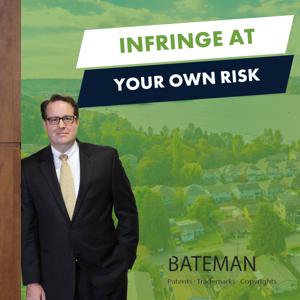
In this episode of InFringe at Your Own Risk, host Lisa Mosbey and patent attorney Randall Bateman delve into the critical topic of trade secret theft. Randall explains how businesses can safeguard their confidential information, such as customer lists and future business plans, from being misappropriated by employees. He highlights the importance of segmenting information, using confidentiality agreements, and implementing non-disclosure agreements to protect trade secrets.
The discussion also covers the potential legal consequences of failing to protect this information and offers practical steps for companies to minimize risks and preserve evidence in case of a breach. Listeners will gain valuable insights into maintaining a competitive edge by effectively managing and protecting their intellectual property.
00:02 – Introduction
0:24 – What Constitutes a Trade Secret
1:08 – The Importance of Customer Lists
2:05 – Competitive Advantage Through Information
4:02 – Internal Threats to Business
5:12 – Segmenting Confidential Information
6:00 – Misuse of Future Business Plans
7:03 – Risks of AI in Legal Practices
10:00 – Protecting Secret Formulas
12:02 – Legal Requirements for Trade Secret Protection
13:03 – The Role of Confidentiality Agreements
14:09 – Actions After Suspected Trade Secret Theft
15:59 – Balancing Collaboration and Secrecy
17:08 – Long-term Practices to Prevent Disputes
InFringe at Your Own Risk is a podcast dedicated to providing valuable insights into intellectual property law for businesses of all sizes. Hosted by Lisa Mosbey, the show features expert discussions with seasoned attorneys like Randall Bateman, who share their knowledge on protecting patents, trademarks, and trade secrets.
The podcast aims to educate listeners on legal strategies and best practices to safeguard their innovations and maintain a competitive edge. Whether you're a startup or an established company, InFringe at Your Own Risk offers practical advice and real-world examples to help you navigate the complexities of intellectual property law.