
Sign up to save your podcasts
Or

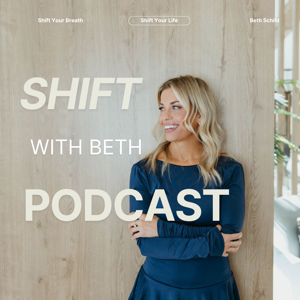

But what if those reactions aren’t about what’s happening right now? What if they are echoes from a younger version of you who is still trying to feel safe?
In the latest episode of the podcast, we dive deep into a concept that often feels abstract or even a little “woo-woo” until you actually experience it: Inner Child Work.
If you are a high-achieving woman, a solopreneur, or someone who is constantly holding it all together, this episode is specifically for you. We explore why understanding your inner child is often the missing key to healing the anxiety, burnout, and perfectionism that keeps you stuck.
Let’s demystify this term right away. Inner child work isn’t about blaming your parents or dwelling on a terrible childhood. In fact, many people—myself included—avoid this work because they feel their childhood was “good enough.” We tell ourselves, “I had food, I had a home, my family loved me. I shouldn’t be complaining.”
But your nervous system doesn’t deal in logic; it deals in safety.
Inner child work is simply recognizing that parts of you learned how to survive when you were younger. Those parts—whether they are five, ten, or fifteen years old—developed strategies to stay safe, connected, and loved. And those strategies, which served you well back then, are often the very patterns causing you stress today.
When we talk about the inner child, we are talking about the younger parts of you that learned what the world felt like and what you had to do to survive in it.
We tend to think of trauma only as the big, obvious events—abuse, severe loss, or violence. But there is also what we call “little t” trauma. These are the subtle, consistent moments that taught your nervous system that it wasn’t safe to be fully you.
Maybe you learned that:
Your body remembers these lessons. Even if you’ve built a successful business and a beautiful life, your nervous system might still be operating on outdated software, scanning for danger where there isn’t any.
In this episode, I share my personal story of growing up in Southern California with terrifying earthquakes. My body learned early on that danger could strike at any moment, especially when I was resting. Years later, as a mother and entrepreneur, that same survival mechanism kicked in when life got overwhelming, manifesting as severe anxiety and insomnia.
It wasn’t until I connected the dots back to that frightened little girl that I could finally heal the anxiety instead of just managing it.
As driven women, we are excellent at “managing” things. We manage our businesses, our households, and yes, our anxiety. We might use medication, exercise, or sheer willpower to push through the discomfort.
I did this for years. I managed my anxiety. I managed my insomnia. I kept showing up, coaching, and parenting while internally I was exhausted and wired.
But managing isn’t healing.
Healing requires us to stop fighting the anxiety and start listening to it. When you feel triggered or overwhelmed, it’s usually a signal that a younger part of you is activated and needs support. Instead of asking, “What is wrong with me?” try asking, “What does this part of me need right now?”
Often, the answer is simple: safety, validation, and compassion.
You don’t need a complicated ritual to start this work. In the episode, I share the practical ways I connect with my “Little Bees” (my name for my younger selves).
Here are a few steps to get you started:
Next time you feel a reaction that seems out of proportion to the event, pause. Notice the physical sensation in your body. Is your chest tight? Is your jaw clenched? Recognize that this is likely a younger part of you stepping forward.
I love doing this work while walking or moving my body. It helps move the energy. Set an intention to connect with your younger self. You might simply say internally, “I’m here. I’m listening.”
Gaslighting ourselves is a common coping mechanism. We tell ourselves we shouldn’t feel this way. Instead, validate it. Tell that younger part of you, “It makes sense that you feel scared. You are safe now. I’ve got you.”
Breathwork has been a profound tool in my journey. It helps bypass the analytical mind and allows the body to release stored emotion. It creates a safe container for you to meet those younger parts of yourself without judgment.
If there is one thing I want you to take away from this post and this episode, it is this: There is nothing wrong with you.
Your patterns make sense. Your anxiety makes sense. Your perfectionism makes sense. They were all brilliant solutions your younger self created to keep you safe.
Healing is simply the process of thanking those parts for their service and letting them know that the adult you—the capable, powerful, wise woman you are today—is in charge now. You can handle the scary things. You can keep yourself safe.
This blog post only scratches the surface of the deep, vulnerable conversation we have in Episode 3. If you are ready to stop abandoning yourself and start healing the root causes of your stress, I invite you to listen to the full episode.
You can tune in on Castos, Apple Podcasts, Spotify, or wherever you get your podcasts.
 View all episodes
 By Beth Schild
But what if those reactions aren’t about what’s happening right now? What if they are echoes from a younger version of you who is still trying to feel safe?
In the latest episode of the podcast, we dive deep into a concept that often feels abstract or even a little “woo-woo” until you actually experience it: Inner Child Work.
If you are a high-achieving woman, a solopreneur, or someone who is constantly holding it all together, this episode is specifically for you. We explore why understanding your inner child is often the missing key to healing the anxiety, burnout, and perfectionism that keeps you stuck.
Let’s demystify this term right away. Inner child work isn’t about blaming your parents or dwelling on a terrible childhood. In fact, many people—myself included—avoid this work because they feel their childhood was “good enough.” We tell ourselves, “I had food, I had a home, my family loved me. I shouldn’t be complaining.”
But your nervous system doesn’t deal in logic; it deals in safety.
Inner child work is simply recognizing that parts of you learned how to survive when you were younger. Those parts—whether they are five, ten, or fifteen years old—developed strategies to stay safe, connected, and loved. And those strategies, which served you well back then, are often the very patterns causing you stress today.
When we talk about the inner child, we are talking about the younger parts of you that learned what the world felt like and what you had to do to survive in it.
We tend to think of trauma only as the big, obvious events—abuse, severe loss, or violence. But there is also what we call “little t” trauma. These are the subtle, consistent moments that taught your nervous system that it wasn’t safe to be fully you.
Maybe you learned that:
Your body remembers these lessons. Even if you’ve built a successful business and a beautiful life, your nervous system might still be operating on outdated software, scanning for danger where there isn’t any.
In this episode, I share my personal story of growing up in Southern California with terrifying earthquakes. My body learned early on that danger could strike at any moment, especially when I was resting. Years later, as a mother and entrepreneur, that same survival mechanism kicked in when life got overwhelming, manifesting as severe anxiety and insomnia.
It wasn’t until I connected the dots back to that frightened little girl that I could finally heal the anxiety instead of just managing it.
As driven women, we are excellent at “managing” things. We manage our businesses, our households, and yes, our anxiety. We might use medication, exercise, or sheer willpower to push through the discomfort.
I did this for years. I managed my anxiety. I managed my insomnia. I kept showing up, coaching, and parenting while internally I was exhausted and wired.
But managing isn’t healing.
Healing requires us to stop fighting the anxiety and start listening to it. When you feel triggered or overwhelmed, it’s usually a signal that a younger part of you is activated and needs support. Instead of asking, “What is wrong with me?” try asking, “What does this part of me need right now?”
Often, the answer is simple: safety, validation, and compassion.
You don’t need a complicated ritual to start this work. In the episode, I share the practical ways I connect with my “Little Bees” (my name for my younger selves).
Here are a few steps to get you started:
Next time you feel a reaction that seems out of proportion to the event, pause. Notice the physical sensation in your body. Is your chest tight? Is your jaw clenched? Recognize that this is likely a younger part of you stepping forward.
I love doing this work while walking or moving my body. It helps move the energy. Set an intention to connect with your younger self. You might simply say internally, “I’m here. I’m listening.”
Gaslighting ourselves is a common coping mechanism. We tell ourselves we shouldn’t feel this way. Instead, validate it. Tell that younger part of you, “It makes sense that you feel scared. You are safe now. I’ve got you.”
Breathwork has been a profound tool in my journey. It helps bypass the analytical mind and allows the body to release stored emotion. It creates a safe container for you to meet those younger parts of yourself without judgment.
If there is one thing I want you to take away from this post and this episode, it is this: There is nothing wrong with you.
Your patterns make sense. Your anxiety makes sense. Your perfectionism makes sense. They were all brilliant solutions your younger self created to keep you safe.
Healing is simply the process of thanking those parts for their service and letting them know that the adult you—the capable, powerful, wise woman you are today—is in charge now. You can handle the scary things. You can keep yourself safe.
This blog post only scratches the surface of the deep, vulnerable conversation we have in Episode 3. If you are ready to stop abandoning yourself and start healing the root causes of your stress, I invite you to listen to the full episode.
You can tune in on Castos, Apple Podcasts, Spotify, or wherever you get your podcasts.