
Sign up to save your podcasts
Or



Invisible Struggles: Episode 2 (November)
“Why Is It So Hard to Get a Diagnosis? Navigating Invisible Leg Disorders”
Episode 2 dives into the challenge millions face when living with unseen, misunderstood, and often dismissed leg disorders—especially conditions like Lipedema and Chronic Venous Insufficiency (CVI). Through personal storytelling, medical explanations, and advocacy references, this episode reveals why patients often spend years searching for answers while their symptoms are minimized or misinterpreted.
The episode opens with my personal journey: unexplained swelling, heaviness, leg pain, and changes in mobility that were brushed aside as weight-related or “normal aging.” I describe the emotional toll—self-doubt, frustration, and the constant battle to push for proper medical evaluation.
Listeners learn how common it is for women, especially women of color, to be misdiagnosed or dismissed due to bias, outdated training, and the hidden nature of these disorders. The episode explains the diagnostic confusion around Lipedema, lymphedema, venous disease, DVT history, and obesity-related swelling—and how overlapping symptoms complicate the process.
The key tests performed at UCSF, such as:
* Duplex ultrasounds to measure vein function and detect reflux
* ABI/TBI tests for circulation
* Vascular lab imaging that reveals how blood pools in the legs
* Lymphatic evaluations that identify protein-rich fluid buildup
The episode highlights how difficult it is to get these tests approved, scheduled, or interpreted correctly when symptoms do not fit textbook expectations.
Expert definitions are woven throughout: what CVI is, how venous valves fail, why Lipedema fat does not respond to diet or exercise, and why both conditions are medically necessary to have treatment despite being frequently labeled as “cosmetic.”
I guide listeners through the exhausting process of navigating Medi-Cal, referrals, authorizations, and the need to advocate persistently. Real strategies are shared, including:
* How to document symptoms over time
* Questions to ask vascular specialists
* How to appeal insurance denials
* Why compression therapy, exercise, and lymphatic care are essential even before a formal diagnosis
The episode closes by affirming the importance of believing your own symptoms, trusting your lived experience, and finding providers who understand invisible disorders. You emphasize that misdiagnosis is not a personal failure—it’s a systemic issue in healthcare training, particularly around women’s vascular and lymphatic health.
Episode Footer – Invisible Struggles (December 2025)
Thank you for listening to Invisible Struggles, where we shine a light on the conditions too often overlooked and the voices too often unheard.
If today’s episode resonated with you, please take a moment to:
🔹 Subscribe or follow the show so you never miss an episode.
🔹 Share this episode with someone who may be navigating invisible symptoms or fighting for a diagnosis.
🔹 Leave a rating or review—your feedback helps others discover the podcast and reminds the medical community that our stories matter.
🔹 Join the conversation: Tell us your experience, questions, or topics you want featured in future episodes. Your voice helps shape upcoming content.
✨ Next month: December 2025
We’ll explore the emotional labor of chronic conditions during the holidays—from managing flare-ups to setting boundaries and finding moments of joy in a season that isn’t always easy. You won’t want to miss this one.
Thank you for being part of this community.
Together we make the invisible visible.
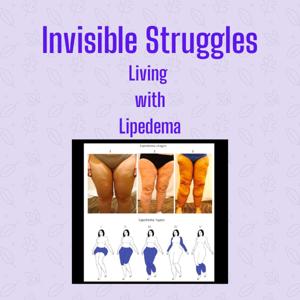
This podcast raises awareness about Lipedema, a chronic and misunderstood fat disorder that primarily affects women. The pilot blends personal storytelling with clear, evidence-based medical information to highlight the barriers patients face: frequent misdiagnosis, dismissal by providers, and the emotional burden of being disbelieved.
The pilot also sets the foundation for future episodes focused on advocacy, treatment options, and patient community support.
Episode Footer – Invisible Struggles (December 2025)
Thank you for listening to Invisible Struggles, where we shine a light on the conditions too often overlooked and the voices too often unheard.
If today’s episode resonated with you, please take a moment to:
🔹 Subscribe or follow the show so you never miss an episode.
🔹 Share this episode with someone who may be navigating invisible symptoms or fighting for a diagnosis.
🔹 Leave a rating or review—your feedback helps others discover the podcast and reminds the medical community that our stories matter.
🔹 Join the conversation: Tell us your experience, questions, or topics you want featured in future episodes. Your voice helps shape upcoming content.
✨ Next month: December 2025
We’ll explore the emotional labor of chronic conditions during the holidays—from managing flare-ups to setting boundaries and finding moments of joy in a season that isn’t always easy. You won’t want to miss this one.
Thank you for being part of this community.
Together we make the invisible visible.
From the publisher's feed
This podcast is dedicated to raising awareness about Lipedema, a chronic and often misunderstood fat disorder that primarily affects women. "Invisible Struggles" will blend personal…