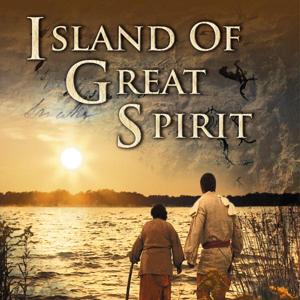
From the original Odawa inhabitants, to the other Anishinabek Nations that they welcomed to the land; to lumbermen, fishermen, and farmers, the Island has always had a unique appeal.
The Seventh Prophecy of the Anishinabek tells of the coming of a generation that would retrace the steps of the sacred ways. Now, that generation is here and is hard at work.
The car changed everything on Manitoulin Island – the ferries opened the island up to tourists in a way that have never before been possible. The 1950’s harkened the golden age of tourism on the Island.
The fish filled, crystal clear waters of the Manitoulin and the North Channel have attracted tourists since the day of the canoe. Yachts, steamers and the railway ensured their continued presence on the Island.
As inhabitants of an island, the weather and water have historically played large roles in the lives of Manitoulin’s residents. Navigational aids were designed to help mitigate the dangers of lake Huron’s waters.
After the Treaty of 1862 speculators of all kinds flocked to the Manitoulin to exploit its resources. The lumber was abundant and the geological survey of 1840 had indicated that oil was a strong possibility on the Island.
Disagreements over fisheries licenses prompted what became known as ‘The Manitoulin Incident’ – a conflict between the people of Wikwemikong and the Fisheries Commissioner, William Gibbard.
The pressure on the Colonial government to open the Manitoulin for white settlement were intense, as available arable lands in Southern Ontario were running out. The result was the much-contested Treaty of 1862.
Colonists looking to cash in on the abundant resources of the North increasingly began encroaching on Native territories. Native leaders, such as George Abotossaway, fought against colonial intrusions.
6 min
About Island of Great Spirit - The Legacy of Manitoulin
From the publisher's feed
The history of Ontario is exciting and relevant to Canada and North America. Our goal is to use emerging technologies to present the stories that weave the makeup of our province in a way that is…
interesting and accessible to young and old alike. We create sets of modern, entertaining media meant to teach, preserve and promote our past. We are a non-profit venture funded primarily by the Ontario Trillium Foundation in partnership with the Living History Multimedia Association.