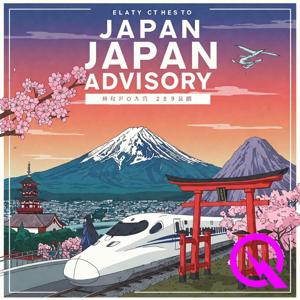
Japan remains one of the safest destinations for travelers in 2026, with the U.S. State Department maintaining its Level 1 advisory, the lowest risk level indicating normal precautions suffice, according to the State Department's Japan Travel Advisory on travel.state.gov. Berkshire Hathaway Travel Protection echoes this, ranking Japan among the safest countries globally due to low crime rates, efficient public transport, and strong disaster preparedness, while advising vigilance for traffic, typhoons, and crowded subways. Listeners planning trips should note these key updates and precautions for a seamless experience.
Starting with entry and costs, U.S. passport holders enjoy visa-free stays up to three months, as confirmed by the U.S. Embassy in Japan, but prepare for stricter immigration checks via integrated kiosks and Visit Japan Web for faster processing, per Ryukoch's 2026 tourist changes guide. The departure tax, or "sayonara tax," rises from 1,000 yen to 3,000 yen starting July 2026 under Ministry of Finance proposals to combat overtourism, with funds improving infrastructure. Visa fees for extensions could jump to 30,000-40,000 yen, though most tourists won't need them. JESTA pre-arrival registration isn't mandatory yet but watch for 2029 rollout.
Overtourism measures hit popular spots: Kyoto hikes accommodation taxes from March 1, 2026, adding costs for mid-range stays, and Himeji Castle introduces dual pricing at 2,500 yen for non-residents versus 1,000 yen for locals, requiring ID verification, both detailed in Ryukoch. Mount Fuji limits climbers to 4,000 daily with a 2,000 yen fee to ease congestion, according to Navitime's 2026 etiquette guide. No tourist ban exists—rumors are false—and visitors remain welcome amid modernization.
Transportation demands preparation: Shinkansen requires advance reservations for oversized luggage over a certain size, with stricter enforcement; subways ban eating, and women should use pink-marked women-only cars during Tokyo rush hours to avoid rare groping incidents, as advised by JRailPass's 2026 safety guide. Public trains are safe, clean, and punctual, but drive on the left if renting cars, sticking to 100 km/h limits and displaying "foreign driver" stickers for courtesy.
Etiquette ensures smooth interactions—refrain from phone calls on trains, hold backpacks in front during crowds, offer priority seats to the elderly, and remove shoes at temples or homes, per Navitime and Red Hair Travel. In onsens, wash before entering and cover tattoos; pay cash on trays, not hands; avoid sticking chopsticks upright in rice. Trash bags are essential since public bins are scarce.
Safety shines overall: Japan ranks ninth safest globally per JRailPass, with negligible Fukushima radiation risks—Tokyo levels equate to half an x-ray, safe even for a year in nearby areas per Australian, British, and U.S. advisories. Watch Japan National Tourism Organization's site for real-time tsunami, volcano, or fire alerts. Rec
This content was created in partnership and with the help of Artificial Intelligence AI.