
Sign up to save your podcasts
Or

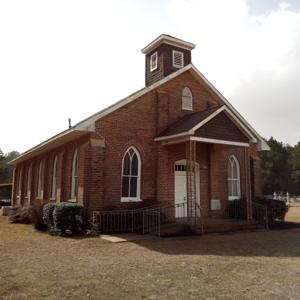


Paul and Barnabas face opposition to their preaching in Iconium. At the same time many respond to the Gospel, so Paul and Barnabas stay in the city for a long time in order to build up the young church. These new believers are equipped with principles to stand firm in when opposed.
There are various reactions to the Word of God preached by Paul in the synagogue at Psidian Antioch. There is the immediate reaction of those in attendance and a delayed reaction a week later. There is a positive reaction by the gentiles who gathered to hear Paul preach again, and a negative reaction by the prominent men and women of the city who sent Paul and Barnabas away. Everyone is responsible for how he or she reacts to the Word of the Lord.
David, the psalmist, reflects on how he was betrayed to King Saul by Doeg the Edomite. The Lord will silence the boastful and uproot the one who places his trust in power, position and possessions. The man or woman who lives consciously in the presence of God will be firmly established in the love of God.
In the second half of his message in the synagogue of Psidian Antioch, Paul outlines the four key Gospel events: Jesus' death, burial, resurrection, and the witnesses who saw him alive. Paul ties Old Testament passages together to prove that Jesus of Nazareth is the Son of God, the promised Messiah, and the eternal King who will sit on David's throne. Finally, Paul concludes that trusting Jesus brings true freedom as he proclaims both forgiveness and justification found only in Him.
Paul addresses the Jewish synagogue in Psidian Antioch. In this first half of his message, Paul speaks of God as the One who has moved in the history of Israel. God takes the initiative. He is always moving toward Jesus, both in history and in your life.
Barnabas and Saul embark on their first missionary journey. Taking John Mark as a helper, they sail to Cyprus and proceed to travel across the entire island, sharing the word of God. The proconsul, Sergius Paulus, summons them. Though interested in their message, the proconsul's court magician and false prophet, Bar-Jesus, proceeds openly opposes truth. Bar-Jesus is temporarily blinded as a judgment, and the proconsul believes. The greatest miracle is the supernatural work of salvation in the life of Sergius Paulus.
The Lord summons His people to give an account for breaking the covenant. The people of God are charged with formalism and hypocrisy. Thankfulness is the counter to formalism and repentance the way to immediately combat hypocrisy. But the ultimate cure for both is the Gospel of Jesus Christ.
The church at Antioch represented the ethnic and cultural diversity of that city. The make-up of a congregation will reflect its locale. Authentic diversity cannot be manufactured. The church seeks God with fasting and prayer. Barnabas and Saul are set aside for a specific purpose. The church confirms God's call upon their lives and sends them out with more prayer and fasting.
The Lord vindicates His church. Herod craves control and is judged for it. Like Herod, we too try to control our own lives, our circumstances, and the lives of others. The Lord receives glory when we repent of desire to be in control and acknowledge His ultimate control. The church will grow and multiply when God's people are faithful to share the truths found in His Word.
If God does not intervene, Peter will not escape his impossible situation. While he rests in the peace of God, the church prays. God works practically and supernaturally. Answered prayers should not surprise the Christian, but be the consistent experience of God's people.
From the publisher's feed