"Only a man who lives not in time but in the present is happy."“一个人只有活在当下,而不是时间中,才是幸福的。”——Ludwig Wittgenstein. "Notebooks, 1914-1916", p.57, University of Chicago Press (1984)
Ep.1 嚼本(shownotes):
0:33 为什么(又)想开始一个播客计划?
3:14 没有什么拿「死亡」来作为第一期的话题更合适的了
3:33 上道硬菜:维特根斯坦《逻辑哲学论》 - 6.4311
5:39 大黑四岁时第一次被「死亡」绊倒
9:41 Charles Du Bos 的“死亡闹钟”比喻,实在恰到好处
13:01 对死亡的态度从「恐惧」到「回避」、再到「直面」的转变
15:22 “还没得很呢”——是不是一个用来逃避的说辞呢?
16:40 观察到父辈所面对的「死亡」与「终结」
21:29 对「死亡」的态度的三个阶段的小总结
26:12 海德格尔:向死而生 (being-towards-death)
27:37 播客名《嚼一嚼》的其中一个原因
29:03 言归正传...终于开始“嚼一嚼” TLP-6.4311
41:29 嚼一嚼「意外」
44:45 被「做主」噎到
46:17 「生命没有尽头,正如视野没有界限」的道理在哪?
50:49 嚼一嚼「无(非)时间性」与「当下」
55:36 言冬的死亡记忆(T T)
1:11:39 「终结」与「小死亡」
1:14:30 嚼一嚼 "carpe diem"
1:18:38 蒙田:“进行哲思就是学习死亡”
1:20:39 是时候谈谈「永生」了
1:23:21 美文朗诵:帕斯卡尔-「人是一根芦苇」
配乐:The Great Gig in the Sky - Pink Floyd
最后,但不是最不重要的:
《逻辑哲学论》6.4311:死亡不是生命中的事件。死亡无法被活着经历。如果“永恒”不应该被理解为无穷的时间延续,而是“无时间性”,那么,那些活在当下的人便永恒活着。我们的生命是没有终点的,正如我们的视野是没有界限的。([奥]路德维希·维特根斯坦,1921)
英文翻译:"Death is not an event of life. Death is not lived through. If by eternity is understood not endless temporal duration but timelessness, then he lives eternally who lives in the present. Our life is endless in the way that our visual field is without limit." (Ludwig Wittgenstein, Tractatus Logico-Philosophicus 6.4311)
原文:"Der Tod ist kein Ereignis des Lebens. Den Tod erlebt man nicht. Wenn man unter Ewigkeit nicht unendliche Zeitdauer, sondern Unzeitlichkeit versteht, dann lebt der ewig, der in der Gegenwart lebt. Unser Leben ist ebenso endlos, wie unser Gesichtsfeld grenzenlos ist." (TLP 6.4311)
《思想录》:...人是一根芦苇,是大自然中最脆弱的事物;但人是一根会思想的芦苇。整个宇宙不需要动用全部武力就能压垮他:一缕蒸汽,一颗水滴,就能致人于死命。但是,当宇宙致人于死命之时,人,却比夺去他生命的宇宙更为高贵,因为人知道他必死的命运以及宇宙在他面前所具有的巨大的优势,而宇宙对此却一无所知。因此,我们的尊严全部都建立在思想之上。我们必须在(思想)这点上,振作我们自己——而不是在我们无法填满的时间和空间里。因此,让我们努力思考:这,就是道德的法则。([法]布莱兹·帕斯卡尔,1669)
英文翻译:...Man is only a reed, the weakest in nature, but he is a thinking reed. There is no need for the whole universe to take up arms to crush him: a vapour, a drop of water is enough to kill him. but even if the universe were to crush him, man would still be nobler than his slayer, because he knows that he is dying and the advantage the universe has over him. The universe knows none of this. Thus, all our dignity consists in thought. It is on thought that we must depend for our recovery, not on space and time, which we could never fill. Let us then strive to think well: here is the basic principle of morality.” (Blaise Pascal, Pensées, 200/347)
原文:...L’homme n’est qu’un roseau, le plus faible de la nature ; mais c’est un roseau pensant. Il ne faut pas que l’univers entier s’arme pour l’écraser : Une vapeur, une goutte d’eau suffit pour le tuer. Mais, quand l’univers l’écraserait, l’homme serait encore plus noble que ce qui le tue puisqu’il sait qu’il meurt, et l’avantage que l’univers a sur lui, l’univers n’en sait rien. Toute notre dignité consiste donc en la pensée. C’est de là qu’il faut nous relever et non de l’espace et de la durée que nous ne saurions remplir. Travaillons donc à bien penser : voilà le principe de la morale. (Blaise Pascal, Pensées)
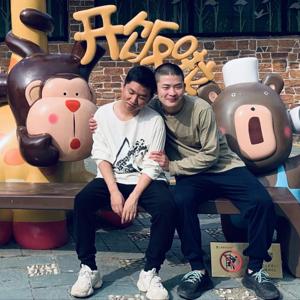
本期节目主播:大黑、言冬
联系我们:[email protected]
□
在小宇宙查看该单集文稿