
Sign up to save your podcasts
Or

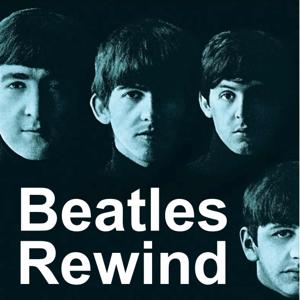

Here’s an uncomfortable truth about the Beatles: The greatest songwriting partnership in rock history actively conspired to keep their lead guitarist out of the creative process. John Lennon and Paul McCartney didn’t just dominate the band’s songwriting—they agreed to limit George Harrison’s contributions. And for years, it worked. George was the kid brother, the “young follower,” the talented guitarist who should stick to what he does best and leave the composing to the grown-ups. 🎸
As Paul recounted in the band’s 2000 autobiography, Anthology:
“I remember walking up through Woolton... with John one morning... [asking] ‘Should we? Should three of us write, or would it be better just to keep it simple?’”
They decided to keep the songwriting partnership between the two of them.
Except George didn’t stay in his lane. He broke through the gatekeeping to release a massive triple solo album in late 1970, filled with masterpieces that had been shelved or ignored during the Beatles years. All Things Must Pass didn’t just top the charts—it became a cultural phenomenon, achieving a level of critical and commercial success that proved, once and for all, that George had been a giant in hiding all along.
The story of how George went from dismissed sideman to vindicated genius is one of the most satisfying underdog tales in music history, and it starts with John Lennon fundamentally misunderstanding the “quiet” Beatle.
The Young Follower
Let’s set the scene: When George joined the Quarrymen in 1958, he was just 15 years old—a grammar school kid who looked up to John Lennon with absolute hero worship. John was already an art student, older, more experienced, more confident. Paul was John’s songwriting partner and intellectual equal. George? George was the guitarist they were lucky to have, but he wasn’t part of the creative brain trust. That hierarchy got established early and hardened into concrete over the years. 🎭
John admitted this dynamic years later with remarkable candor:
“George’s relationship with me was one of young follower and older guy. He was like a disciple of mine when we started. I was already an art student when Paul and George were still in grammar school.”
Translation: George was the kid, and kids didn’t get to write songs for the Beatles. John further acknowledged it was a “love/hate relationship” and that George bore “resentment toward me for being a daddy who left home.”
George hadn’t been a songwriter... because John and Paul never let him be a songwriter. They controlled access to the recording studio, they decided which songs made the albums, and they had an actual gentleman’s agreement to keep George’s contributions to a minimum. 💔
So George was excluded because he lacked experience. But how do you gain experience when you’re systematically excluded? It’s the musical equivalent of “you can’t get a job without experience, but you can’t get experience without a job.”
The First Attempts
George’s first original Beatles song was “Don’t Bother Me,” which appeared on their second album, With the Beatles, in 1963. The story behind it is both mundane and revealing: George wrote it while sick and bored in a Bournemouth hotel room during a tour. He was literally killing time with a guitar, seeing if he could actually write a song. The result was... fine. Not great, not terrible—just fine. It’s a competent but unremarkable track that sounds exactly like what it was: a first attempt by someone teaching himself to write songs while his bandmates had years of practice. 🏨
Songwriting is a skill you develop through practice, something that most people struggle with during the first five or ten years. John and Paul had been writing together since they were teenagers, churning out dozens (maybe hundreds) of songs before the Beatles ever recorded their first album. George was starting from scratch in his early twenties, trying to learn in public while working alongside two of the most naturally gifted songwriters in rock history, and a pair of huge egos.
George himself acknowledged the struggle:
“The most difficult thing for me is following Paul’s and John’s songs. … They obviously got better and better, and that’s what I have to do.”
George wasn’t demanding equal time. He was apologizing for even suggesting his songs might be worth recording. That’s what years of being shut out will do to you. 🎵
The Turning Point
So when did John Lennon finally realize George Harrison was a serious songwriter? The answer: 1967’s Sgt. Pepper’s Lonely Hearts Club Band.
George contributed only one song to that groundbreaking album—”Within You Without You”—but it was a quantum leap forward in quality and ambition. Influenced by his time in India and his friendship with Ravi Shankar, George created something entirely unique: a philosophical meditation set to Indian classical music that somehow fit on an album full of psychedelic pop experiments. It wasn’t trying to be a Lennon song or a McCartney song. It was unmistakably, undeniably a George Harrison song. ✨
Years later, in 1980, shortly before his death, John finally gave George credit for ‘Within You Without You’—the credit he’d withheld:
“One of George’s best songs. One of my favourites of his, too. He’s clear on that song. His mind and his music are clear. There is his innate talent; he brought that sound together.”
That was the moment John could no longer deny what was becoming obvious to everyone else: George Harrison had found his voice, and it was spectacular. 🌅
But here’s the beautiful irony: John actually helped George become the songwriter who would eventually challenge the Lennon-McCartney monopoly. George credited John with giving him crucial advice that changed his entire approach: “John gave me a handy tip. He said, ‘Once you start to write a song, try to finish it straight away while you’re still in the same mood.’”
That single piece of advice helped George complete “Something”—which John himself later called “the best song on Abbey Road“ and which Frank Sinatra declared “the greatest love song of the past 50 years.” 💕
The Floodgates Open
By 1968-69, George was on an absolute tear. “While My Guitar Gently Weeps.” “Something.” “Here Comes the Sun.” These weren’t just good songs—they were great songs, songs that could stand alongside anything John or Paul had written. George had gone from writing one forgettable track per album to creating genuine classics that would define the Beatles’ legacy.
But recognition came with a bitter edge. By 1969, during the contentious Let It Be sessions, the Beatles’ internal dynamics had become toxic. George briefly quit the band, frustrated by his continued second-class status. When the band tried to regroup and plan their future, John Lennon proposed something radical: each songwriter—John, Paul, and George—should get four songs per album, with two more slots available for Ringo if he wanted them. Equal space. Equal respect. Equal status. 🤝
Paul McCartney rejected the plan.
Paul, who often positioned himself as George’s ally, said no. The Beatles never recorded another album together.
The Ultimate Vindication
Here’s where the story gets deliciously ironic: In 1970, the Beatles broke up. Each member went solo. And George—the dismissed kid brother, the songwriter who’d been rationed to one or two songs per album—released All Things Must Pass, a massive triple album that became a critical and commercial smash. The guy they’d kept in the shadows for a decade immediately proved he had a catalog’s worth of incredible songs that never got recorded because there wasn’t room on Beatles albums.
The Lesson
George’s exclusion might have made him better. Being shut out forced him to find his own voice instead of trying to write Lennon-McCartney pastiches. Being dismissed made him determined. Being the underdog made him hungry. When he finally got his moment in the spotlight, he was ready—and he had years of pent-up creativity to unleash. ⚡
The tragedy is that by the time John fully recognized George’s talent and tried to give him equal status in the band, it was too late. The Beatles were done. The “young follower” had become a master, but the teacher would never get to fully appreciate the student’s graduation.
Visit my Beatles Store:
 View all episodes
 By Steve Weber and Cassandra
Here’s an uncomfortable truth about the Beatles: The greatest songwriting partnership in rock history actively conspired to keep their lead guitarist out of the creative process. John Lennon and Paul McCartney didn’t just dominate the band’s songwriting—they agreed to limit George Harrison’s contributions. And for years, it worked. George was the kid brother, the “young follower,” the talented guitarist who should stick to what he does best and leave the composing to the grown-ups. 🎸
As Paul recounted in the band’s 2000 autobiography, Anthology:
“I remember walking up through Woolton... with John one morning... [asking] ‘Should we? Should three of us write, or would it be better just to keep it simple?’”
They decided to keep the songwriting partnership between the two of them.
Except George didn’t stay in his lane. He broke through the gatekeeping to release a massive triple solo album in late 1970, filled with masterpieces that had been shelved or ignored during the Beatles years. All Things Must Pass didn’t just top the charts—it became a cultural phenomenon, achieving a level of critical and commercial success that proved, once and for all, that George had been a giant in hiding all along.
The story of how George went from dismissed sideman to vindicated genius is one of the most satisfying underdog tales in music history, and it starts with John Lennon fundamentally misunderstanding the “quiet” Beatle.
The Young Follower
Let’s set the scene: When George joined the Quarrymen in 1958, he was just 15 years old—a grammar school kid who looked up to John Lennon with absolute hero worship. John was already an art student, older, more experienced, more confident. Paul was John’s songwriting partner and intellectual equal. George? George was the guitarist they were lucky to have, but he wasn’t part of the creative brain trust. That hierarchy got established early and hardened into concrete over the years. 🎭
John admitted this dynamic years later with remarkable candor:
“George’s relationship with me was one of young follower and older guy. He was like a disciple of mine when we started. I was already an art student when Paul and George were still in grammar school.”
Translation: George was the kid, and kids didn’t get to write songs for the Beatles. John further acknowledged it was a “love/hate relationship” and that George bore “resentment toward me for being a daddy who left home.”
George hadn’t been a songwriter... because John and Paul never let him be a songwriter. They controlled access to the recording studio, they decided which songs made the albums, and they had an actual gentleman’s agreement to keep George’s contributions to a minimum. 💔
So George was excluded because he lacked experience. But how do you gain experience when you’re systematically excluded? It’s the musical equivalent of “you can’t get a job without experience, but you can’t get experience without a job.”
The First Attempts
George’s first original Beatles song was “Don’t Bother Me,” which appeared on their second album, With the Beatles, in 1963. The story behind it is both mundane and revealing: George wrote it while sick and bored in a Bournemouth hotel room during a tour. He was literally killing time with a guitar, seeing if he could actually write a song. The result was... fine. Not great, not terrible—just fine. It’s a competent but unremarkable track that sounds exactly like what it was: a first attempt by someone teaching himself to write songs while his bandmates had years of practice. 🏨
Songwriting is a skill you develop through practice, something that most people struggle with during the first five or ten years. John and Paul had been writing together since they were teenagers, churning out dozens (maybe hundreds) of songs before the Beatles ever recorded their first album. George was starting from scratch in his early twenties, trying to learn in public while working alongside two of the most naturally gifted songwriters in rock history, and a pair of huge egos.
George himself acknowledged the struggle:
“The most difficult thing for me is following Paul’s and John’s songs. … They obviously got better and better, and that’s what I have to do.”
George wasn’t demanding equal time. He was apologizing for even suggesting his songs might be worth recording. That’s what years of being shut out will do to you. 🎵
The Turning Point
So when did John Lennon finally realize George Harrison was a serious songwriter? The answer: 1967’s Sgt. Pepper’s Lonely Hearts Club Band.
George contributed only one song to that groundbreaking album—”Within You Without You”—but it was a quantum leap forward in quality and ambition. Influenced by his time in India and his friendship with Ravi Shankar, George created something entirely unique: a philosophical meditation set to Indian classical music that somehow fit on an album full of psychedelic pop experiments. It wasn’t trying to be a Lennon song or a McCartney song. It was unmistakably, undeniably a George Harrison song. ✨
Years later, in 1980, shortly before his death, John finally gave George credit for ‘Within You Without You’—the credit he’d withheld:
“One of George’s best songs. One of my favourites of his, too. He’s clear on that song. His mind and his music are clear. There is his innate talent; he brought that sound together.”
That was the moment John could no longer deny what was becoming obvious to everyone else: George Harrison had found his voice, and it was spectacular. 🌅
But here’s the beautiful irony: John actually helped George become the songwriter who would eventually challenge the Lennon-McCartney monopoly. George credited John with giving him crucial advice that changed his entire approach: “John gave me a handy tip. He said, ‘Once you start to write a song, try to finish it straight away while you’re still in the same mood.’”
That single piece of advice helped George complete “Something”—which John himself later called “the best song on Abbey Road“ and which Frank Sinatra declared “the greatest love song of the past 50 years.” 💕
The Floodgates Open
By 1968-69, George was on an absolute tear. “While My Guitar Gently Weeps.” “Something.” “Here Comes the Sun.” These weren’t just good songs—they were great songs, songs that could stand alongside anything John or Paul had written. George had gone from writing one forgettable track per album to creating genuine classics that would define the Beatles’ legacy.
But recognition came with a bitter edge. By 1969, during the contentious Let It Be sessions, the Beatles’ internal dynamics had become toxic. George briefly quit the band, frustrated by his continued second-class status. When the band tried to regroup and plan their future, John Lennon proposed something radical: each songwriter—John, Paul, and George—should get four songs per album, with two more slots available for Ringo if he wanted them. Equal space. Equal respect. Equal status. 🤝
Paul McCartney rejected the plan.
Paul, who often positioned himself as George’s ally, said no. The Beatles never recorded another album together.
The Ultimate Vindication
Here’s where the story gets deliciously ironic: In 1970, the Beatles broke up. Each member went solo. And George—the dismissed kid brother, the songwriter who’d been rationed to one or two songs per album—released All Things Must Pass, a massive triple album that became a critical and commercial smash. The guy they’d kept in the shadows for a decade immediately proved he had a catalog’s worth of incredible songs that never got recorded because there wasn’t room on Beatles albums.
The Lesson
George’s exclusion might have made him better. Being shut out forced him to find his own voice instead of trying to write Lennon-McCartney pastiches. Being dismissed made him determined. Being the underdog made him hungry. When he finally got his moment in the spotlight, he was ready—and he had years of pent-up creativity to unleash. ⚡
The tragedy is that by the time John fully recognized George’s talent and tried to give him equal status in the band, it was too late. The Beatles were done. The “young follower” had become a master, but the teacher would never get to fully appreciate the student’s graduation.
Visit my Beatles Store: