
Sign up to save your podcasts
Or

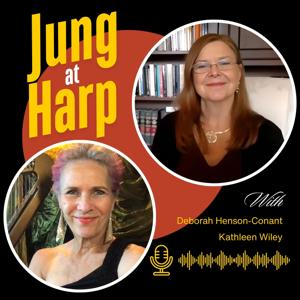


#230 How to Value What IS?
How often do we overlook the value of what we already have while focusing on what we think is missing? Why do we dismiss our own worth and fall into the belief that what we have—or who we are—is simply not enough?
In this episode, Jungian Psychoanalyst Kathleen Wiley and composer/performer Deborah Henson-Conant explore the challenge of recognizing and claiming the value of what IS. Together, they reflect on how shifting our perspective can help us move beyond feelings of inadequacy and cultivate a deeper appreciation for ourselves, our experiences, and the present moment.
Join us for another conversation of discovery at the intersection of music, psychology, and life.
Watch live: 9:15-ish EST on most Fridays Website: JungAtHarp.com
#JungAtHarp #Episode230 #SelfWorth #SelfAcceptance #PersonalGrowth #JungianPsychology #Mindfulness #ValueWhatIs #KathleenWiley #DeborahHensonConant
What holds us back from stepping into our creative potential—and how can self-doubt become a pathway toward confidence and action?
In this episode of Jung at Harp, Jungian Psychoanalyst Kathleen Wiley and Grammy-nominated composer and performer Deborah Henson-Conant explore the powerful and often limiting nature of self-doubt. Why do we question our abilities, hesitate to pursue our creative ambitions, or wonder whether we have the right to express ourselves fully? What happens when we begin to recognize the quiet beliefs that keep us from taking action?
Through conversation, reflection, and curiosity, Kathleen and Deborah examine the underlying thoughts and assumptions that shape our confidence and influence our willingness to create. Together, they explore how self-doubt can affect our choices, why it can be difficult to move beyond familiar limitations, and how becoming aware of these internal barriers may open the door to greater creative freedom.
Join two harp players—Jungian Psychoanalyst Kathleen Wiley and composer/performer Deborah Henson-Conant—for another conversation where music, psychology, and everyday life come together in unexpected ways.
Questions explored include:
How can self-doubt transform into the confidence to take action?
What hidden beliefs keep us from stepping into our creative potential?
Why do we sometimes question our right to pursue our ambitions?
How does self-doubt influence our decisions and creative expression?
What can we learn by examining the beliefs that hold us back?
How can we move beyond hesitation and begin taking meaningful action?
Topics explored include:
Self-doubt and Jungian psychology
Confidence and creative expression
Limiting beliefs and inner resistance
Overcoming hesitation and fear
Self-awareness and personal growth
Moving from uncertainty into action
Embracing creative potential and authenticity
Join us for another conversation of discovery where music becomes a doorway into psychology, imagination, and deeper understanding.
JungAtHarp.com
#228 How to Cultivate Self-Compassion
How can we cultivate self-compassion? Can we practice compassion on other people? And what happens to us when we ARE compassionate?
These are the questions we start with in today's conversation for discovery.
Join harp players, Jungian Psychoanalyst Kathleen Wiley and composer/performer Deborah Henson-Conant, for a weekly-ish conversation about music, psychology, creativity, and life.
In this episode, we explore what self-compassion really means, how we might cultivate it in ourselves, and what changes when compassion becomes something we actively practice—not only toward ourselves, but toward others.
Jung at Harp A weekly-ish conversation about music, psychology, and life.
Join us around 9:15-ish EST on most Fridays.
JungAtHarp.com
Connection or control? Which one do you cultivate in your art, your work, and your relationships—and why does it matter?
That's the question we begin with in today's conversation for discovery.
Join harp players, Jungian Psychoanalyst Kathleen Wiley and composer/performer Deborah Henson-Conant, for a weekly-ish exploration of music, psychology, creativity, relationships, and life.
In this episode, we explore:
🎼 Jung at Harp A weekly-ish conversation with Kathleen Wiley and Deborah Henson-Conant about music, psychology, creativity, and life.
Join us around 9:15-ish EST on most Fridays.
JungAtHarp.com
Connection or control? Which one do you cultivate in your art, your work, and your relationships—and why does it matter?
In this episode of Jung at Harp, Jungian psychoanalyst Kathleen Wiley and composer/performer Deborah Henson-Conant explore the difference between connection and control, and how these two ways of relating can shape the way we create, work, and connect with others.
Through an open conversation about music, psychology, creativity, and life, Kathleen and Deborah invite us to look at where we may be trying to control an experience—and what might happen if we instead focused on connection.
In this episode:💬 Question for you: Where do you notice yourself choosing control over connection—and what might change if you chose connection instead?
🎵 Jung at Harp
Join Kathleen Wiley, Jungian Psychoanalyst, and Deborah Henson-Conant, composer and performer, for a weekly-ish conversation exploring music, psychology, creativity, and life.
📅 Most Fridays at 9:15-ish EST 🌐 JungAtHarp.com
#JungAtHarp #Connection #Control #Creativity #MusicAndPsychology #JungianPsychology #SelfExpression #Relationships #Harp
Connection or control? Which one do you cultivate in your art, your work, and your relationships—and why does it matter?
In this episode of Jung at Harp, Jungian psychoanalyst Kathleen Wiley and composer/performer Deborah Henson-Conant explore the difference between connection and control, and how these two ways of relating can shape the way we create, work, and connect with others.
Through an open conversation about music, psychology, creativity, and life, Kathleen and Deborah invite us to look at where we may be trying to control an experience—and what might happen if we instead focused on connection.
In this episode:Connection versus control in creativity and relationships
How our need for control can affect artistic expression
What it means to cultivate genuine connection
Exploring the relationship between music, psychology, and life
How awareness can change the way we create and relate to others
💬 Question for you: Where do you notice yourself choosing control over connection—and what might change if you chose connection instead?
🎵 Jung at Harp
Join Kathleen Wiley, Jungian Psychoanalyst, and Deborah Henson-Conant, composer and performer, for a weekly-ish conversation exploring music, psychology, creativity, and life.
📅 Most Fridays at 9:15-ish EST 🌐 JungAtHarp.com
#JungAtHarp #Connection #Control #Creativity #MusicAndPsychology #JungianPsychology #SelfExpression #Relationships #Harp
In a world increasingly shaped by technology, how do we continue to cultivate genuine human presence?
In this episode of Jung at Harp, Kathleen Wiley and Deborah Henson-Conant explore the relationship between human presence and technological and technical processes.
Where do they meet? Where do they interfere with one another? And perhaps most importantly, how can they work together to enhance rather than diminish our experience of being fully present?
Through their conversation for discovery, Kathleen and Deborah reflect on the choices we make when navigating technology, creativity, music, psychology, and human connection. Rather than treating technology and human presence as opposites, they consider how awareness and intention can help us understand the role each plays in our lives.
This conversation invites us to consider: How can we embrace technological progress without losing the qualities that make our experiences deeply human?
In this episode:What it means to cultivate human presence
Human presence versus technological processes
The difference between technical skill and genuine presence
Where technology and human connection intersect
When technology enhances the human experience
When technical processes begin to interfere with presence
The importance of awareness and intentional choice
Presence within music, creativity, and performance
Finding balance between technology and humanity
Staying connected to ourselves and others in a technological world
💬 Question for you: When does technology enhance your ability to be present, and when does it get in the way? Share your thoughts in the comments.
🎼 About Jung at Harp
Hosted by Kathleen Wiley, Jungian Psychoanalyst and harpist, and Deborah Henson-Conant, Grammy-nominated harpist, composer, performer, educator, and creativity mentor.
Together they explore music, psychology, creativity, and life through weekly-ish conversations for discovery.
Join them most Fridays around 9:15-ish EST at JungAtHarp.com.
#JungAtHarp #HumanPresence #Psychology #Creativity #Technology #HumanConnection #Mindfulness #Music #Harp #CarlJung #SelfAwareness #PersonalGrowth
Many harpists believe they need to master every note, technique, and piece perfectly before they are ready to share their music with others.
But what if the pursuit of perfection is actually keeping you from making music?
In Episode 223 of Jung at Harp, Kathleen Wiley and Deborah Henson-Conant explore how the pressure to play perfectly can create a constant feeling of "I'm not good enough yet." Instead of experiencing music as a form of self-expression, we can become focused on avoiding mistakes, following the rules, and trying to sound like we think we are supposed to sound.
This episode invites us to look beyond perfection and discover what becomes possible when we allow ourselves to play, explore, experiment, and express ourselves with the skills we have right now.
In this episode:🎵 Your music doesn't have to be perfect to be meaningful.
Sometimes the most powerful music comes when we stop asking, "Did I play that perfectly?" and start asking, "What can I express with what I have right now?"
💬 Question for you:Has the pursuit of perfection ever stopped you from playing or sharing your music? What would change if you gave yourself permission to simply explore?
🎼 About Jung at Harp
Jung at Harp brings together Jungian psychology, music, creativity, and the human experience through conversations between Kathleen Wiley and Deborah Henson-Conant.
Each episode explores questions that invite us to look deeper, think differently, and discover new possibilities in ourselves and our creative lives.
#JungAtHarp #Harp #Harpist #Music #Creativity #SelfExpression #Perfectionism #MusicEducation #CreativeFreedom #PersonalGrowth
How do we know when we've outgrown the "box" we're living in? Are our limitations keeping us stuck—or are they the very conditions that make creativity, growth, and self-expression possible? And what if the answer isn't to escape the box, but to discover a bigger one?
In this episode of Jung at Harp, Jungian Psychoanalyst Kathleen Wiley and Grammy-nominated composer and performer Deborah Henson-Conant explore the surprising relationship between limitations, creativity, and human potential. Together, they ask what it means to recognize the invisible boxes we live within and how expanding our perspective can transform the way we learn, create, and relate to ourselves and others.
Through stories from music, education, and everyday life, Kathleen and Deborah examine the difference between limitations and conditions, the power of teaching principles instead of rigid rules, and why true learning begins when we move beyond perfectionism into curiosity and exploration. They also reflect on the importance of understanding the "box" someone else is in before trying to help them grow beyond it.
Join two harp players—Jungian Psychoanalyst Kathleen Wiley and composer/performer Deborah Henson-Conant—for another conversation where music, psychology, and everyday life come together in unexpected ways.
Questions explored include:
What does it mean to be "in a box"?
How do we know when it's time to find a bigger one?
Are limitations obstacles—or opportunities for creativity?
What's the difference between limitations and conditions?
Why is understanding someone else's perspective essential for teaching and growth?
How can simplicity lead to deeper self-expression?
What happens when we focus on principles instead of perfection?
Topics explored include:
Psychological limitations and expanding consciousness
Creativity within constraints
Human potential and authentic self-expression
Learning through experience
Music education and creative practice
Perfectionism versus exploration
Empathy, teaching, and perspective
The beauty of simplicity
Join us for another conversation of discovery where music becomes a doorway into psychology, imagination, and deeper understanding.
JungAtHarp.com
Why Listen?
Is perfection truly the highest standard we should strive for—or is there a deeper order beyond perfection that allows us to fully become who we are? How do perfectionistic patterns shape the way we live, create, and connect with ourselves and others?
In this episode of Jung at Harp, Jungian Psychoanalyst Kathleen Wiley and Grammy-nominated composer and performer Deborah Henson-Conant explore the ways perfectionism can limit our growth and keep us from experiencing the fullness of our true Self. They reflect on the difference between chasing an ideal of perfection and embracing the wholeness that already exists within us.
Through conversation, reflection, and curiosity, Kathleen and Deborah examine how perfectionism appears in creativity, relationships, work, and personal identity. They explore the possibility that there is a greater order—one that does not require us to be flawless, but invites us to live in alignment with our authentic nature.
Join two harp players—Jungian Psychoanalyst Kathleen Wiley and composer/performer Deborah Henson-Conant—for another conversation where music, psychology, and everyday life come together in unexpected ways.
Questions explored include:
Topics explored include:
Join us for another conversation of discovery where music becomes a doorway into psychology, imagination, and deeper understanding.
JungAtHarp.com
From the publisher's feed