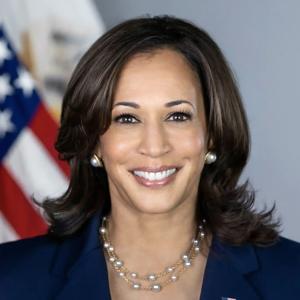
Jenifer Lewis, a renowned American actress, has recently sparked a significant discussion on voter demographics in the 2024 U.S. Presidential election. In a candid commentary, Lewis singled out Black and Latino men, holding them partly responsible for Vice President Kamala Harris’s electoral loss by arguing that sexism played a pivotal role in their voting behavior.
As Harris sought to break the glass ceiling by becoming the first female and first woman of color president, her candidacy was met with both praise and criticism from various quarters. Lewis, known for her outspoken nature and advocacy for numerous social issues, expressed disappointment in what she perceives as a lack of support from these particular voter groups. "Sexism," according to Lewis, was a significant factor that contributed to Harris's failure to secure widespread endorsement from Black and Latino male voters.
The assertion drew mixed reactions, as some individuals resonated with Lewis's perspective, affirming historical and ongoing challenges faced by female candidates, particularly women of color, in the political arena. They argue that Harris's experiences highlight broader systemic issues related to gender and racial dynamics in electoral politics. The conversation brings to light the barriers women, especially women of color, continue to encounter in their pursuit of leadership roles.
Harris’s candidacy was historic on multiple fronts; she was the first Black and South Asian female vice president, and her presidential bid symbolized potential further progress in diversifying the political leadership landscape. However, despite the symbolic nature of her campaign, Harris faced substantial hurdles. Her policy stances, public persona, and political background were subjects of intense scrutiny and debate.
This narrative underscores the complexities of identity politics in the United States. While Harris garnered significant support from many minority voters, the critiques from Lewis point to a nuanced reality: the intersection of race and gender, and how these components affect voter perceptions and behaviors. It raises important questions about solidarity and the influence of implicit biases within marginalized communities themselves.
In reaction to Lewis’s remarks, political analysts have emphasized the importance of addressing these internal dynamics while also recognizing the broader context of voter disenfranchisement, misinformation, and socio-economic challenges that affect turnout and political engagement across all demographics. This situation serves as a reminder of the multifaceted challenges future candidates may face and the critical need for sustained conversations around these themes.
As the nation reflects on the outcomes of the 2024 election, the discourse prompted by Lewis invites deeper introspection about the role of gender and race in politics, encouraging a re-examination of traditional perspectives and the pathways toward genuine inclusivity i
This content was created in partnership and with the help of Artificial Intelligence AI.