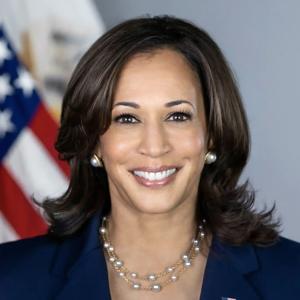
Vice President Kamala Harris has found herself at the center of a growing debate among pro-Palestinian, anti-war activists who have challenged her stance on U.S. foreign policy in the Middle East. With tensions around Israel and its ongoing conflict with Palestine, Harris is tasked with balancing diplomatic relations and addressing domestic criticism within the Democratic Party’s progressive faction.
The situation reached a new level of complexity as Senator Bernie Sanders publicly backed Harris, offering a broader perspective on her position. Sanders highlighted Harris’s commitments to human rights and a two-state solution, seeking to alleviate some concerns raised by her critics. His support is significant given his influence among young and progressive voters, a constituency that remains sharply critical of perceived injustices against Palestinians.
Sanders’s defense emphasizes that Vice President Harris has consistently promoted peaceful solutions while recognizing Israel’s right to exist. However, he acknowledged the importance of also considering the rights and perspectives of Palestinians. The Vermont senator’s endorsement appears aimed at uniting the party to present a cohesive front, especially concerning crucial issues abroad.
Vice President Harris’s stance involves supporting aid to Israel, a traditional ally of the U.S., while advocating for negotiations that respect Palestinian aspirations. This delicate balance is emblematic of her broader approach to foreign policy, characterized by attempting to mediate opposing viewpoints within a framework of established alliances.
Critics, however, argue that Harris’s actions have not met their expectations, urging a reassessment of U.S. military aid to Israel and a more vigorous condemnation of its government’s policies. They argue for a more pronounced shift in American foreign policy that aligns closer with international consensus on human rights issues in the region.
Harris, despite this criticism, continues to emphasize her commitment to fostering constructive dialogue aimed at achieving long-standing peace and security in the Middle East. Her role as part of the Biden administration puts her in a pivotal position to influence policy and guide diplomatic efforts amidst the ongoing tensions.
This conversation will likely play a vital role in the upcoming elections, as the administration’s stance on foreign policy could influence voter turnout, particularly among younger generations passionate about international justice and human rights.
In summary, Kamala Harris’s position as Vice President places her at the intersection of international diplomacy and progressive expectations within her party. Sanders’s support signals an attempt from party leadership to address internal divergences and solidify Democratic stances on key global issues, namely the Israeli-Palestinian conflict. As debates continue, Harris must navigate the political landscape with tact and sensitivity to maintain both
This content was created in partnership and with the help of Artificial Intelligence AI.