
Sign up to save your podcasts
Or

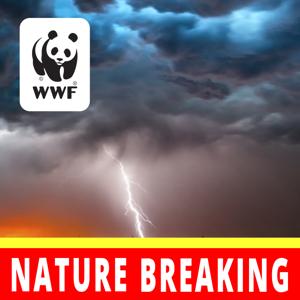

Last month a series of wildfires spread across communities in Los Angeles and left a trail of destruction in their wake. Tens of thousands of people were forced to evacuate their neighborhoods. Over 15,000 homes and other structures were burned. And at least two dozen people were killed. It's well documented that climate change contributes to making fires like these worse. And it also exacerbates other hazards like droughts, floods, and storms. So what can local leaders in LA and in other communities in the US and around the world do in the wake of these extreme events to address systemic risks and proactively reduce catastrophic disasters? Today you'll hear from Anita van Breda, WWF's senior director for environment and disaster management. Anita has decades of experience working with communities affected by natural hazards, and she'll share her insights on disaster risk management and recovery in the wake of this most recent tragedy in LA.
Links for More Info:
Anita van Breda bio
Web Story: What the 2004 tsunami taught us about disaster recovery
Op-Ed: Why there is no such thing as a "natural" disaster
Nature & Nature-Based Flood Management Guide
Green Recovery & Risk Reduction
CHAPTERS:
0:00 Preview
0:21 Intro
2:03 Lessons from the 2004 tsunami
5:09 Factors that contributed to LA wildfires
8:16 Disaster recovery tips for LA and other communities
11:49 Role of nature in disaster prevention and recovery
18:19 Parting advice to community leaders
21:10 Outro
 View all episodes
 By World Wildlife Fund
5
3232 ratings
Last month a series of wildfires spread across communities in Los Angeles and left a trail of destruction in their wake. Tens of thousands of people were forced to evacuate their neighborhoods. Over 15,000 homes and other structures were burned. And at least two dozen people were killed. It's well documented that climate change contributes to making fires like these worse. And it also exacerbates other hazards like droughts, floods, and storms. So what can local leaders in LA and in other communities in the US and around the world do in the wake of these extreme events to address systemic risks and proactively reduce catastrophic disasters? Today you'll hear from Anita van Breda, WWF's senior director for environment and disaster management. Anita has decades of experience working with communities affected by natural hazards, and she'll share her insights on disaster risk management and recovery in the wake of this most recent tragedy in LA.
Links for More Info:
Anita van Breda bio
Web Story: What the 2004 tsunami taught us about disaster recovery
Op-Ed: Why there is no such thing as a "natural" disaster
Nature & Nature-Based Flood Management Guide
Green Recovery & Risk Reduction
CHAPTERS:
0:00 Preview
0:21 Intro
2:03 Lessons from the 2004 tsunami
5:09 Factors that contributed to LA wildfires
8:16 Disaster recovery tips for LA and other communities
11:49 Role of nature in disaster prevention and recovery
18:19 Parting advice to community leaders
21:10 Outro
78,688 Listeners

38,430 Listeners

30,609 Listeners

43,687 Listeners

6,467 Listeners

14,655 Listeners
4,253 Listeners

87,868 Listeners

113,121 Listeners

24,930 Listeners

56,944 Listeners

24,585 Listeners
16,512 Listeners

6,592 Listeners
56 Listeners