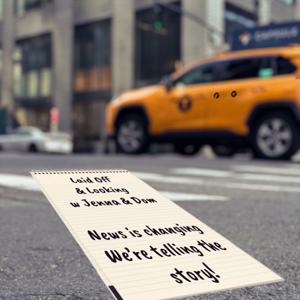
Dom and Jenna discuss the decision to revamp the editorial board at the LA Times after the paper decided to block an endorsement of Vice President Kamala Harris. Then, paywalls. As more news organizations move to put their content behind paywalls, how does that impact the public's access to verified information?
And who pays for the news?
Noted audio producer and journalist Julia Barton shares insights from her fellowship research at Harvard’s Nieman Journalism Lab on the complexities of funding news in the broadcasting industry—or the lack thereof.
Barton says she discovered a 1924 magazine contest hoping to find a sustainable, long-term solution to funding radio broadcasting. The contest declared a winner, but did the industry follow suit?
She also discusses the rise of podcasting, technological advancements, and the ongoing challenges in maintaining high-quality, publicly-minded journalism.
Headlines: 1:57
Interview: 15:22
Headlines discussed:
LA Times owner says Harris’ stance on Gaza war contributed to non-endorsement, plans editorial board revamp
https://www.cnn.com/2024/11/13/media/la-times-harris-endorsement-gaza-war-editorial-board/index.html
Reuters, CNN add website paywalls
https://www.axios.com/2024/10/01/reuters-cnn-website-paywalls
Going back to the well: CNN.com, the most popular news site in the U.S., is putting up a paywall
https://www.niemanlab.org/2024/10/going-back-to-the-well-cnn-com-the-most-popular-news-site-in-the-u-s-is-putting-up-a-paywall/
Julia Barton
https://juliabarton.com/
"Who Is To Pay For Broadcasting and How?" by Julia Barton
https://www.niemanlab.org/2024/07/in-1924-a-magazine-ran-a-contest-who-is-to-pay-for-broadcasting-and-how-a-century-later-were-still-asking-the-same-question/