
Sign up to save your podcasts
Or

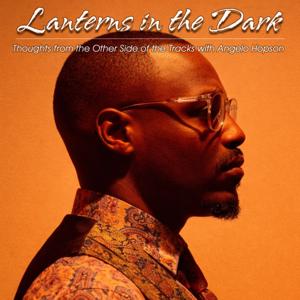


How much time do we have left before shit hit the fan? Red vs. Blue, White vs. Black, Black vs. Black, Men vs. Women, Women vs Men, Children vs. Parents etc. They got us right where they want us, in a complete state of confusion and disharmony. While we're busy arguing over celebrity scandals or supporting companies that don't care about us, the real threat—the decline of our economy, community, and safety—is quietly approaching. In this episode Angelo Hopson breaks down why many of us will be left behind when the new world arrives.
Most people aren’t living in denial by accident—they’ve perfected it.
In this episode, Angelo Hopson breaks down the concept of self-deception as something far more intentional and refined than we like to admit. It’s not always that we don’t know the truth about ourselves—it’s that we’ve built convincing narratives, habits, and identities that make the lie feel comfortable, even righteous.
Angelo challenges you to examine the version of yourself you’ve carefully maintained: the image that looks disciplined on the outside but avoids honest reflection on the inside. From masking insecurity with busyness to confusing achievement with growth, this episode exposes how easy it is to become fluent in your own false reality.
Because the most dangerous form of deception isn’t when others believe your story—it’s when you fully believe it yourself.
At some point, you have to ask: are you becoming who you truly are… or just mastering the illusion of it?
What happens when the parent who should have full custody… doesn’t? In this episode, Angelo Hopson goes "scorched Earth" by challenging the way we think about custody, parenting, and responsibility—asking a difficult but necessary question: are decisions being made based on what’s best for the child… or what’s assumed to be right?
Angelo breaks down the reality many don’t want to confront—situations where children remain in harmful environments while capable, present fathers are pushed to the sidelines. But this isn’t just about the system—it’s about accountability, ego, and the consequences of ignoring red flags in parenting.
This episode dives into the uncomfortable space where labels don’t tell the full story. Because sometimes the person society protects isn’t the one protecting the child.
At the center of it all is one question:
Are we prioritizing the child’s well-being… or protecting narratives we don’t want to challenge?
You can't be a victim and a conqueror at the same time! Angelo Hopson exposes the toxic mindset holding us back and dares you to confront the uncomfortable truth: it's time to stop blaming and start changing. This episode is a raw, unapologetic challenge to break free from societal chains and reclaim your power. Ready to face the truth and ignite real change? Listen now!
Black men are expected to fix everything… but rarely listened to when it could’ve been prevented. In this episode, Angelo Hopson breaks down the unspoken role many Black men are forced into—the cleanup crew. When situations spiral out of control, when decisions go unchecked, when everything falls apart—that’s when the call comes. Not for input. Not for leadership. But for repair.
Angelo challenges the double standard: ignored in the beginning, responsible at the end. And if things can’t be fixed? Blamed anyway.
This episode dives into the pressure of being expected to perform under chaos, the cost of constantly carrying other people’s problems, and the importance of setting boundaries when the burden isn’t yours to bear.
Because at some point, you have to ask: are you being respected… or just being used when it’s convenient?
Let’s be honest—some of y’all don’t have a results problem… you have a you problem.
In this episode, Angelo Hopson calls out the people who constantly complain, critique, and nag—but haven’t done the work to justify any of it. You want more money, more respect, more opportunities—but you’re not operating at a level that demands it. And instead of fixing that, you make noise.
Angelo breaks down how this mindset plays out in real life, including the story of Stephen A. Smith—who was once fired from ESPN for being difficult, unmanageable, and yes… a nagger. The difference? He corrected it. He got on his sh*t. And that’s why he was able to come back bigger than ever.
This episode draws a hard line: there’s a difference between people who lead and people who complain about leaders. And if you’re not producing, building, or improving—your voice carries less weight than you think.
This isn’t motivation—it’s a mirror.
Tighten up… or stay stuck explaining why nothing’s changing.
What if failure isn’t the problem… but how you’ve been taught to define it? In this episode, Angelo Hopson challenges the traditional idea of failure, arguing that some people aren’t failing—they’re misdiagnosing their experiences. Every mistake, setback, and missed opportunity carries a lesson, but when you focus only on the outcome, you miss the instruction—and end up repeating the cycle. The only time you truly fail is when you don't learn.
Angelo breaks down how life isn’t measured by wins and losses, but by awareness, growth, and the ability to extract wisdom from your decisions. From overlooked red flags in relationships to moments of insecurity and poor judgment, this episode reframes failure as feedback and pushes you to ask a better question: What was this experience trying to teach me?
At some point, we have to ask: are we just reacting to the world… or are we actually doing something to change it? In this episode, Angelo Hopson breaks down the backlash surrounding “Heaven-Sent” by LaRussell, using the moment as a lens to examine a bigger issue: selective outrage. Why do certain things trigger immediate backlash, while other messages—often more harmful—get ignored, normalized, or even celebrated?
Angelo challenges listeners to look beyond the surface of controversy and examine how quickly people react without fully processing context, intent, or meaning. More importantly, he questions where that same energy goes when it comes to real-world impact—community work, leadership, and actually creating change.
This episode isn’t just about a song—it’s about the culture of reaction. Because it’s easy to criticize from the sidelines, but much harder to build, lead, and contribute in a meaningful way.
Some behaviors aren’t just “quirks”… they’re patterns. And the more we ignore them, the more normal they become. In this episode, Angelo Hopson breaks down what he calls the loop—a cycle where untreated trauma, poor coping mechanisms, and unchecked mental health issues quietly shape how people think, act, and relate to others. What used to raise concern is now often dismissed, excused, or even embraced as part of everyday life.
Through real-life experiences and sharp cultural insight, Angelo challenges listeners to look beyond surface-level behavior and recognize when something deeper is at play. From toxic relationship dynamics to family patterns, this episode explores how dysfunction gets normalized—and why calling it out matters.
But this isn’t about judgment—it’s about awareness. Because once you can identify the loop, you can make better decisions about who you engage with, how you protect your peace, and what you’re willing to tolerate. Not everything is just “how people are.” Some cycles are meant to be broken.
Everybody wants the results—but Part 2 is about the standards behind the results. In this follow-up episode, Angelo Hopson goes deeper into the conversation sparked in Part 1, pushing past surface-level takes on “support” and getting to the root of what actually separates wise investment from costly mistakes in relationships. Using the story of Ryan Coogler as a foundation, Angelo challenges listeners to rethink what it really means to believe in someone—and more importantly, how to properly evaluate who’s worth believing in.
This episode sharpens the conversation around accountability, exposing the difference between seeing potential and ignoring red flags. Because not every struggle story is a success story waiting to happen—and confusing the two can cost you years. Angelo also revisits Bag Lady by Erykah Badu from a deeper lens, breaking down how unhealed baggage doesn’t just affect relationships—it distorts judgment. And when your judgment is off, so are your choices.
Part 2 is where the conversation gets real: discernment over desire, accountability over excuses, and the discipline it takes to stop romanticizing outcomes without understanding the decisions that created them.
From the publisher's feed