
Sign up to save your podcasts
Or

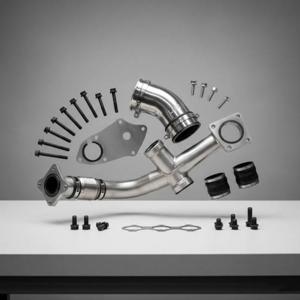


For diesel owners who are new to engine hardware, understanding emissions-related components can make vehicle maintenance and research much easier. The LBZ Duramax engine is well known among diesel enthusiasts, but discussions about EGR systems can become confusing because several components work together. When researching an LBZ Duramax EGR Delete Kit, it is important to understand what the individual parts are designed to do, how they relate to the original emissions system, and whether any modification is permitted for the vehicle's intended use and location.
Understanding the EGR System on a DuramaxExhaust gas recirculation, commonly called EGR, is an emissions-control system designed to route a portion of exhaust gases back into the engine's intake system. The purpose is to reduce certain combustion temperatures and help control nitrogen oxide emissions. On a diesel engine, the EGR system involves several related components rather than a single part. Understanding this basic function provides useful context when examining aftermarket components or discussing maintenance with a qualified diesel technician.
What an EGR Valve DoesThe EGR valve is one of the most recognizable components in an EGR system. Its basic role is to regulate the flow of exhaust gases toward the intake side of the engine. The valve operates as part of the vehicle's broader emissions-management strategy and works with other systems controlled or monitored by the engine management system. Because of its function, problems involving the valve can affect drivability, emissions performance, and diagnostic readings.
Understanding EGR-Related PipingPipes and passages are another important part of an EGR system because they provide the route through which exhaust gases travel. Their design, connections, and condition can influence how effectively the original system operates. When people discuss replacement or modification components, these passages are often mentioned because they connect different sections of the emissions system. Beginners should identify each component by its original function before considering any aftermarket alternative.
Why Block-Off Components Are DiscussedSome aftermarket emissions-related kits may include components described as block-off plates or similar fittings. Their general purpose is to prevent flow through a particular passage in a modified configuration. However, the use of such components can change how an emissions system operates. For this reason, vehicle owners should not assume that an aftermarket component is appropriate for every vehicle or driving situation. Road-use requirements should always be checked before making emissions-related changes.
Gaskets, Seals, and HardwareSmall components can be just as important as larger hardware. Gaskets and seals are used in engine systems to help maintain proper connections and prevent unwanted leaks. Fasteners and fittings also need to match the application correctly. When researching an LBZ Duramax EGR Delete Kit, beginners may see these supporting components listed alongside larger parts. Their presence does not necessarily indicate that every item is required for every configuration, so compatibility information should be carefully reviewed.
Why Engine Compatibility MattersDuramax engines can differ according to model year, configuration, and factory equipment. A component designed for one engine application may not be suitable for another. This is why buyers should verify the exact engine and vehicle specifications before purchasing aftermarket hardware. The LBZ Duramax has its own configuration and should not automatically be treated as interchangeable with other Duramax generations. Checking manufacturer information and consulting a qualified technician can help prevent compatibility problems.
Electronic Monitoring and Warning LightsModern diesel engines rely on electronic controls and sensors to monitor engine operation and emissions-related functions. Changing the original emissions system can therefore have consequences beyond the physical components themselves. Diagnostic trouble codes or warning lights may appear if monitored systems no longer operate as expected. This is one reason experienced technicians consider both mechanical and electronic factors when evaluating emissions-related modifications.
Legal and Environmental ConsiderationsBefore purchasing or installing emissions-related aftermarket equipment, owners should determine whether the modification is legal for their intended use. Emissions regulations can prohibit tampering with factory emissions controls on vehicles used on public roads. Requirements also vary by jurisdiction, while inspections and emissions testing may impose additional restrictions. Equipment intended for specialized competition or off-road applications may be subject to different rules, but those rules should be confirmed locally rather than assumed.
Choosing Parts Based on the Intended ApplicationA sensible approach begins with identifying how the vehicle will be used and what regulations apply to it. Owners should consider whether the truck is a daily driver, work vehicle, competition vehicle, or dedicated off-road machine. This information can influence which components are appropriate and what modifications are permitted. Manufacturer documentation, professional advice, and local regulations are valuable resources when evaluating any emissions-related hardware.
Final Thoughts for BeginnersLearning the purpose of individual components makes diesel maintenance and research considerably easier. An EGR system involves valves, passages, seals, fittings, sensors, and electronic controls that work together as part of the vehicle's emissions strategy. Anyone researching an LBZ Duramax EGR Delete Kit should first understand these original functions, verify vehicle compatibility, and determine whether the proposed modification is lawful for the intended application. Taking this careful approach can help beginners make more informed decisions without confusing one aftermarket component with the complete engine system.
From the publisher's feed