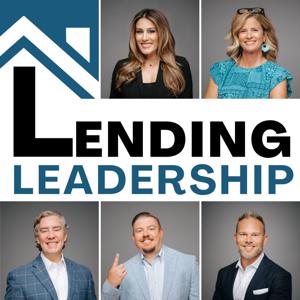
Lending Leadership

Lending Leadership

Download on the App Store

Lending Leadership episodes

  • Podcasting for Loan Officers: Authentic Branding, Storytelling, and Getting Started with Larry Roberts

    Welcome back to Lending Leadership: The Creative Brief!

    On today’s episode, we’re taking you behind the microphone for a podcast about podcasting. We’re joined by our good friend Larry Roberts of LarryRoberts.com and Red Hat Media—a true podcasting pro with years of experience helping brands and individuals grow their authority in the digital space.

    Whether you’re a loan officer curious about starting your own show or just wondering if there’s still room to stand out in a crowded podcast world, we’re digging deep with expert advice and actionable tips. From overcoming nerves to getting the right gear and harnessing the power of storytelling (and even AI!), we cover everything you need to know to start or level up your podcast journey.

    We dive into what it really takes to build authority as a loan officer, real estate professional, or entrepreneur in today’s digital world. Larry explains why having a podcast is one of three pillars (alongside a book and speaking engagements) for becoming a recognized leader in your industry. We talk about guesting on other shows as a low-pressure entry point, bust myths about podcast oversaturation, and unpack the power of authenticity: why listeners crave real, unscripted conversations.

    Larry shares his own behind-the-scenes journey: from comedy podcasts in a corporate cubicle to being called into HR for “too-blue” content, to finding his stride with shows that are as unique as their hosts. He recounts the lessons from awkward early recordings to using AI tools—and how the reputation around these tools is shifting fast.

    We also get technical: lighting, microphones, cameras, and recording environments. Whether you’re thinking about just hitting record on your closet or building a pro-level home studio, Larry demystifies the process and proves you don’t need to break the bank to get started.

    And for those worried about “what would I even talk about every week?”—we discuss practical ways to use AI (like ChatGPT) to spark fresh episode ideas, build scripts, and keep your content pipeline flowing.

    Key Takeaways:

    1. There’s Still Room for Your Voice: Despite there being 4 million podcasts worldwide, only about 8% are truly active. The market isn’t as crowded as it seems—especially if you let your authentic self shine through. No one else can cover your topics with your unique experiences and perspective.
    2. Start as a Guest to Get Comfortable: If launching a show feels intimidating, try guesting on other podcasts first. It builds connections, exposes you to new audiences, and helps you decide if hosting is right for you.
    3. Authenticity Beats Perfection: Don’t get stuck trying to sound like an announcer or over-polishing everything. Real, relatable conversations outperform corporate, stiff presentations every time—especially in media like video and podcasting.
    4. Invest in the Basics, But Keep It Simple: Good lighting, a decent camera, and an external microphone are your best friends. Even a quiet closet works as a home studio. Don’t let tech overwhelm you—start with what you have and upgrade as you go.
    5. Leverage AI for Content Creation: For those panicking about topics, AI tools like ChatGPT can generate episode ideas, outlines, and even scripts. They’re not “cheating”—they’re accelerators for your creativity and efficiency. The stigma is fading fast; even publishers are celebrating AI-assisted work.

    From sharing laughs about being “too chatty” in class to building sustainable influence in your field, this episode is packed with encouragement and practical steps for anyone considering the podcast path. Whether you want to be on the mic, behind the scenes, or somewhere in between, we hope you walk away ready to make your ripple in the podcasting pond.

    31 min
  • Mortgage Leadership Q&A: Tackling Tough Industry Questions from Our Listeners

    Welcome back to Lending Leadership: The Mortgage Pros—your go-to podcast for practical wisdom, actionable advice, and real talk on building a successful career in the mortgage industry.

    Over the past few months, we’ve seen a real uptick in listener engagement, and we love it! So this episode, we wanted to do something a little different. Instead of focusing on a set topic, we dove into our mailbag and tackled the questions you, our listeners, have submitted via our site. We’re always striving to keep the show relevant and helpful, and what better way to do that than by answering what’s on your mind?

    We had a lot of fun with this format, and based on the volume and quality of the questions, we’re sure we’ll revisit it in future episodes.

    Key takeaways:

    1. Take Ownership of Your Lead Generation: If you suspect your manager is cherry-picking the best leads, the consensus is clear: build your own book of business. Relying solely on company-fed leads limits your growth and options. Approach sensitive conversations professionally, but never let frustration breed office drama.
    2. Understand Your Competition and Pricing Structure: Losing deals on rate? Be sure you’re comparing apples to apples. Different lending models (big banks, credit unions, brokers) often have radically different compensation and support structures. Know what you offer, and if you’re consistently losing to legitimate competitors despite offering value, consider whether your company’s platform is truly supportive.
    3. Get Savvy With Unconventional Income Sources: We shared firsthand experience closing mortgages for borrowers with income from platforms like OnlyFans. The bottom line? It’s just like any self-employment income: document it well, look for a reasonable earnings history, and be prepared to navigate more complicated tax scenarios.
    4. Boundaries Are Essential—Not Optional: Whether it’s aggressive noncompete agreements or clients texting at midnight, setting and maintaining clear boundaries is key to long-term success (and sanity). Don’t let fear of missing out undermine your values or livelihood. The right partners and clients will respect your professionalism.
    5. There Are Many Paths to Prospecting Success: Not every successful originator cold calls! Open houses, adding value as a subject matter expert, strategic “warm” introductions, and consistent social media presence all work. The crucial ingredient is consistency and finding the method that aligns with your strengths and target audience.

    We appreciate every question and story you bring us. If you liked this episode, please hit that like button, leave us a five-star review, and most importantly—keep sending those questions! We’re here to support you in building a business and a life you can be proud of in the ever-changing world of mortgage lending.

    Robert, Tom, & Dave

    32 min
  • Different Is Better Than Better: Standing Out as a Loan Officer With Trevor York

    Welcome back to Lending Leadership: The Creative Brief—your trusted resource for building bold brands and thriving careers in the lending world.

    In this episode, we’re diving deep into what it truly means to stand out as a loan officer in today's crowded marketplace. We’re joined by the dynamic Trevor York from Linkspot, whose fresh perspective and storytelling skills left a lasting impression at our recent sales rally. His now-famous mantra, “different is better than better,” has inspired many in our network to break away from the pack and redefine what connection really means in client relationships and personal branding.

    Together with Trevor, we explore why authenticity and creativity should take priority over the old standard of competence marketing in lending. Trevor shares the journey that led him from feeling like an outlier in a traditionally conservative industry to becoming a creative force, guiding others to find their voice, communicate with confidence, and forge more meaningful links with their communities. He also sheds light on the psychology of trying “something different,” and how overcoming fear can lead to memorable, resonant branding.

    We also get personal—discussing everything from unique gift-giving to the roles that alter egos, personal quirks, and hobbies can play in building a brand that’s both memorable and true to you.

    If you’re looking for actionable tips, permission to take creative risks, and an inside look at why standing out is the new standard for success in lending, this is one episode you won’t want to miss.

    Key takeaways:

    1. “Different is Better Than Better”: Trevor unpacks why differentiation beats perfection in today’s lending landscape. Being the best doesn’t matter if you’re invisible—standing out by being truly yourself is what captures attention and builds relationships.
    2. Lead with Connection, Not Just Competence: Too often, loan officers default to showcasing their expertise and products. Trevor (and our own experiences) highlight that personal stories, thoughtful touches, and unexpected gifts create lasting bonds and help you move from “just another loan officer” to a memorable partner in your clients’ journeys.
    3. Creativity Requires Courage: Embracing originality can feel risky, especially in industries built on proven templates. Trevor’s advice: the first step is always the hardest, and often all you need is permission to do the thing you’ve wanted to try. The payoff is well worth pushing through the discomfort of “different.”
    4. Let Your Brand Reveal Itself: You don’t need to invent a “shtick” or rigid persona. Instead, let your interests, quirks, and day-to-day life naturally inform your branding. Whether it’s a love of dogs, hiking, or pickles, small authentic details make you relatable—and your marketing all the more engaging.
    5. Reverse Brainstorming for Better Content: Trevor’s favorite exercise for improving marketing is to flip the script: identify what makes bad content, then do the opposite. This simple, honest reflection uncovers exactly where you can stand out and breaks through creative blocks, whether you’re posting on social media or interacting with clients.

    Tune in, take notes, and get ready to start doing things differently—because better is good, but different makes you unforgettable.

    Don’t forget to like, subscribe, and follow Trevor for more inspiration, or reach out if you’re ready to have him energize your next event. As always, thanks for joining us on Lending Leadership: The Creative Brief.

    Rach & Rinn

    36 min
  • Grateful Dead, AI in Mortgages, and Surviving the Market Shift

    Welcome back to Lending Leadership: The Mortgage Pros—your front-row seat to candid conversations about the ever-evolving mortgage industry.

    On today’s episode, we decided to kick back, relax, and embrace a looser format. With Tom out and just the two of us, Robert Fillyaw and Dave Holland, at the helm, we traded structure for a little “chewing the fat.” From Vegas trips and Grateful Dead concerts to AI’s impact on mortgages and the existential debate over one gorilla versus a hundred men, no topic was off-limits.

    We took a deep dive into how AI is changing the way we work (and parent), the industry’s consolidation, and even made bold predictions for the next football season. If you're looking for a heavily scripted mortgage masterclass, you might want to skip ahead—today is all about real talk and laughs between two industry veterans.

    Key takeaways:

    1. No Topic Is Too Off the Wall When You’re Among Friends: Sometimes, the best insights come when you loosen up the format. From Las Vegas trip stories to viral internet debates, unstructured conversations can spark fresh perspectives and authentic laughs—essential for creating meaningful connections in any business.
    2. AI Is Reshaping Both Our Industry and Daily Life: We explored how AI is influencing loan origination processes, underwriting, and even our email communications. While it won’t replace the human touch, embracing AI is becoming non-negotiable for mortgage professionals who want to stay relevant and efficient.
    3. Critical Thinking Still Matters—Especially for the Next Generation: Our banter about using AI in schoolwork led us to reflect on the value of developing independent problem-solving skills. AI is a powerful tool, but it shouldn’t become a crutch that stunts intellectual growth, especially for the next generation of leaders.
    4. Consolidation Is Accelerating, and Adaptability Reigns Supreme: The mortgage industry’s long restructuring period is forcing weaker players and less-adaptive LOs out. Those who focus on relationships, technology, and advisory roles will thrive, while others will get left behind as fewer originators handle more business.
    5. Diversification, Fun, and Connection Matter Too: Whether you’re debating football schedules, planning Napa wine tours, or joking about flat-earthers at a Dead show, making room for camaraderie and personal connection can help sustain morale and creativity in a tough market.

    Thanks for joining us for this no-holds-barred episode of Lending Leadership: The Mortgage Pros. If you’re feeling lost in the mortgage maze or just want to chat business, leadership, and strategy—drop us a line. No pressure, no expectations, just good conversation.

    Don’t forget to hit subscribe and leave us that five-star review—we appreciate every single one.

    Until next time, this is Robert and Dave, reminding you: the only constant in mortgages—and life—is change. Stay curious, stay connected, and keep leading.

    Robert, Tom, & Dave

    26 min
  • The Crucial Mortgage Steps Everyone Overlooks During Divorce

    Welcome back to Lending Leadership: The Creative Brief! We’re excited to bring you a powerful and practical episode focused on a life event that touches so many—divorce—and how it intersects with one of the biggest financial assets most people have: their home.

    This week, Rachael sits down with friend and coworker Amy Malamut, who brings a truly unique perspective to the table. Amy spent over a decade as a divorce attorney, and now she’s a leading mortgage loan officer and part of one of New Jersey’s top teams at HMA Mortgage. It’s this rare combination of legal expertise and mortgage know-how that makes Amy the ideal guest to walk us through the overlooked pitfalls—and critical opportunities—presented when real estate and divorce collide.

    In this episode, we dive deep into why the mortgage process is often left until the last minute during divorce proceedings, and the costly consequences that can result. Amy shares eye-opening real-world stories about clients who did everything right by coming to her early—and some who waited until the eleventh hour and faced far more stressful outcomes.

    Key takeaways:

    1. Start the Mortgage Conversation Early: Too often, mortgage solutions are considered last during a divorce, leaving people scrambling and sometimes unable to keep their homes. Engaging a mortgage professional who understands divorce (like Amy) early in the process provides more—and better—options for everyone involved.
    2. Boilerplate Language Isn’t Enough: Standard divorce agreement text often sets unrealistic deadlines (like 60-90 days to refinance and buy out a spouse). In reality, traditional mortgage guidelines may require six months of documented income (e.g., alimony), making early planning and customized agreements essential.
    3. Credit is Crucial—And It Can Be Managed: Divorce is a major life event where credit can suffer due to unpaid bills, intentional or not. Start monitoring your credit before the divorce is finalized—many mistakes can be corrected if caught early, and a plan can be put in place to improve creditworthiness.
    4. Prequalification Isn’t a Guarantee: A basic prequalification from the family bank isn’t enough—especially when income like alimony or child support plays a central role. Only a thorough preapproval, with a review of legal and financial documents by a specialized mortgage professional, will reveal your true mortgage readiness.
    5. Ask the Right Questions: For realtors and attorneys, it’s vital to ask divorce-specific questions: Where are clients in the divorce process? What is the duration of alimony or child support? What’s the current credit situation? Are there any liens or outstanding judgments? If you’re unsure or uncomfortable, refer to an expert who can gather sensitive info compassionately and strategically.

    Divorce is difficult enough without added financial surprises or setbacks. If you or someone you know is facing these challenges, don’t hesitate to get expert advice early. We’ll have Amy’s contact info and social links available in the episode notes—share this with anyone who might need it!

    Download Amy's Divorce Income Analyzer.

    Thank you for tuning in to Lending Leadership: The Creative Brief—we’ll see you next time!

    Rach & Rinn

    25 min
  • From Loan Officer to Leader: What No One Tells You About Making the Leap to Management

    Welcome back to Lending Leadership: The Mortgage Pros—your go-to podcast for honest, unfiltered conversations about growing your mortgage career and leading at the highest level.

    On today’s episode, we opened up about one of the most pivotal (and misunderstood) transitions in the industry: moving from being a successful loan officer to stepping into a leadership role. If you’re thinking about taking the leap from originating to managing or leading a team, this is the episode you can’t afford to miss.

    We dove deep into the real-life challenges of going from loan officer to leader—how it’s not a “next-level” for everyone, why personality fit matters, and the truth about compensation and workload. We reflected on the industry-wide leadership shortage and why many high-producers struggle in management positions. From the pitfalls of riding your own pipeline to the ego-checks required to lead successfully, we covered it all. We also explored the tough moments of leading peers who were once your direct competition and how to build a team culture rooted in service, not just numbers.

    Key Takeaways:

    1. Leadership Isn’t the “Next Step” for Every Top Producer: We can’t emphasize this enough: just because you’re a top-producing loan officer doesn’t mean your next move has to be leadership. Not everyone is cut out to manage people, and there’s nothing wrong with choosing to excel as an LO. In fact, many who try to make the leap end up less happy and sometimes less successful.
    2. The Skillset for Great Origination Isn’t the Same as for Great Leadership: As we discussed, being a great originator takes hustle and ego—you’re in control and you can grind your way out of a bad month. Leadership, on the other hand, requires humility, patience, long-term consistency, and a genuine interest in empowering others. It’s a slower burn and a completely different mindset.
    3. Servant Leadership and Ego-Checking Are Non-Negotiables: Success in leadership requires putting others first, checking your ego at the door, and practicing servant leadership. It’s about helping your people get on the leaderboard—not just staying at the top yourself. If you can’t let go of being “number one,” leadership won’t be satisfying or productive.
    4. Be Ready for Less Money (and More Work)—At Least at First: Don’t make the move thinking you’ll immediately earn more or work less. The reality is, overrides and management compensation often don’t match what top LOs earn personally until much later—if ever. Plus, you’ll likely work more hours and shoulder greater mental load, especially at the onset.
    5. Consistency, Vulnerability, and the Willingness to Grow Matter Most: From holding the line equally with friends and former competitors, to taking honest feedback, to investing in your own development (sometimes with a coach), the best leaders thrive on ongoing learning and consistent, fair standards. Micromanaging or slipping into favoritism—intentionally or not—can be disastrous for team culture.

    We hope today’s episode clears up some of the myths around “climbing the ladder” and helps you clarify your own goals and motivations. If you’re already in leadership and have stories or lessons learned, or if you’re considering the jump and want to talk through what to expect, we’d love to hear from you!

    Don’t forget to like, subscribe, and share—so you never miss an episode of Lending Leadership: The Mortgage Pros.

    Robert, Tom, and Dave

    30 min
  • Fundamentals of Marketing: Crafting Consistent, Strategic Marketing Plans for Mortgage Lenders

    Welcome back to Lending Leadership: The Creative Brief—the podcast where we break down the art and science of mortgage marketing and leadership.

    Today, we dove straight into one of the fundamental questions every loan officer and marketing professional faces: what really is marketing, and what is it not? With both of us—Rachael Tresch and Corrine Bibb—on the mics this week, we brought the full energy of our marketing circus to the conversation, painting a vivid picture about how all the moving parts of marketing, from advertising to PR to sales, fit together into a cohesive strategy.

    To kick things off, we set the scene with our “circus analogy.” We walk you through the difference between advertising, promotion, publicity, public relations, sales, and how it all rolls up into marketing. Throughout the episode, we explore why so many people stop at just promoting (walking the elephant through town) and overlook the full, strategic process of marketing that can drive real business results.

    We dig into why layering is key to a successful marketing plan, examine why consistency and business planning are so crucial, and share ideas for reaching your desired audience without overwhelming them—or yourself. As always, our discussion is filled with practical steps, candid reflections, and a little encouragement to keep things simple and strategic—no need to juggle it all at once.

    We round out the episode with a challenge: take a hard look at your own marketing strengths and gaps (SWOT time!), and really define who your target client is. And as always, we invite you to share what you’re learning, what works for you, and where you might be stuck—after all, we’re all in this circus together.

    Key takeaways:

    1. Marketing Is the Whole Circus, Not Just the Elephant: Marketing isn’t just one action like a flyer or a single event—it’s the strategic plan that brings together advertising, promotion, publicity, public relations, and sales. Only by combining these can you truly create impact.
    2. Consistency and Planning Trump “Spray and Pray”: Effective marketing isn’t about doing everything at once or randomly trying tactics. It’s about consistent, strategic actions over time. We encourage planning well ahead—sometimes even pushing a great idea out a month or two—to execute each piece thoughtfully.
    3. Know Your Audience and How They Absorb Information: People internalize messages in different ways and at different times. Hitting your audience with consistent messaging across multiple channels—and repeating it often—is essential, as is tailoring your approach for different “learning styles.”
    4. Layering Beats Overwhelm: No one expects you to master every aspect of marketing overnight. Start with a plan, then build layers—adding new tactics and tools as you go. Give yourself grace, avoid burnout, and learn which areas you naturally thrive in (and where you shy away).
    5. Do a Personal SWOT & Define Your “Who”: Take stock of your own strengths and challenges when it comes to the components of marketing. Analyze your database and customer trends to define your avatar and target audience. The simplest strategies, grounded in clarity about your goals and your audience, are often the best.

    We’d love to hear your stories, your ideas, and how you define “marketing” in your own practice—reach out and let us know! Don’t forget to like, comment, and share the show, and remember: we’re all in this circus together, so let’s make our acts the best they can be. See you next time!

    Rach & Rinn

    18 min
  • Refi Booms: How Mortgage Leaders Stay Ahead and Capture Opportunity

    Welcome back to Lending Leadership: The Mortgage Pros. In this episode, we’re diving deep into a timely and critical topic: the elusive “Refi Boom.” While it seemed like we were on the brink of a refinance surge not too long ago, rising rates have complicated things. Still, with expectations for a potential boom in the next 6–12 months, we’re unpacking what a refinance boom really means, how to prepare now, and how to capitalize when it hits.

    We kick off by defining exactly what constitutes a “refi boom” in today’s environment, why it’s so crucial to be perpetually ready, and how market volatility presents both challenges and windows of opportunity. We dissect the importance of staying in front of your database, leveraging automation, and differentiating yourself from the big servicers who are sharpening their tools for this very moment.

    We don’t just stop at theory — we walk through practical ways to segment and reach your client list, how to coordinate with your team and operations, the role of automation, and why it’s vital to maintain your purchase pipeline even when refis are flying in. We also get candid about what happens if your company isn’t up to speed, and why the next boom won’t look anything like 2021. Throughout, we share both tactical tips and strategic mindset shifts to maximize your opportunities, build lasting client relationships, and keep your business future-proof.

    5 Key Takeaways:

    1. Refi Boom Readiness is Year-Round: A true refinance boom isn’t just about market conditions — it’s about being prepared. We agree that when refis hit about 30% of your book, it feels like a boom. But even a 10–20% increase can be a windfall if you’re ready. Stay in contact with your database all year, not just when rates drop, and always be building your list of ready-to-go clients.
    2. Database Is Your Goldmine (Not Just “Past Clients”): We emphasize killing the “past customer” mentality. They are not just past clients but ongoing customers and sources of future business and referrals. Keep conversations rolling, future-cast savings at target rates, and position yourself as a lifelong advisor, not a one-time lender.
    3. First to the Client Wins: Big servicers are poised to grab your clients the moment rates drop. If you’re not already in touch, you’re behind. Strategies like soft pulls, delayed payoffs, and rapid file-building can help you retain control and outmaneuver the competition. Speed and proactive communication are your best defense.
    4. Systematize and Segment for Speed and Scale: When the boom hits, it’s triage time: prioritize easy wins (streamlines, high LTVs, clean files) and utilize automation for outreach. Don’t let the three-hour “maybe” conversations slow you down — stack the easy deals fast and keep your purchase pipeline healthy. Prepare your ops teams and insist on a company-wide readiness plan.
    5. Booms Don’t Last — Stay Balanced and Financially Wise: The refi boom is real but fleeting. We talk frankly about how the 2021 boom brought “fake business, real money.” Don’t mistake temporary earnings for a new normal. Keep your eye on your core purchase business, maintain and grow key relationships (especially with agents who’ll notice if you disappear!), and be smart with the extra revenue a boom provides.

    Whether you’re a seasoned LO or just getting your feet wet, now’s the time to prep your systems, strengthen your client connections, and coordinate closely with your operations team. Start making those calls — your future pipeline (and sanity) will thank you.

    Give us a five-star rating, hit that subscribe button, and let us know in the comments how you’re preparing for your next refi boom.

    Robert, Tom, & Dave

    32 min
  • Collaboration at Its Best: Behind the Scenes of Our Sales Rally

    Welcome back to Lending Leadership: The Creative Brief.

    In today's episode, we're talking about our sales rally--a tool we use here at HMA Mortgage for fostering collaboration and innovation within our team. While we're likely bustling around at our own sales rally as you listen to this, we're excited to share insights on why showing up, leaning in, and sharing ideas can significantly transform your business landscape.

    As we navigate through this episode, we explore the immense potential of events like sales rallies in bringing together loan officers, partners, and leadership teams from different regions and sectors. We'll discuss the collaborative energy these gatherings ignite and their essential role in nurturing both personal and organizational growth.

    Key Takeaways:

    1. Power of In-Person Collaboration: We emphasize the irreplaceable value of face-to-face interactions at sales rallies. The synergy generated by belly-to-belly conversations can propel your business forward in ways virtual platforms cannot replicate.
    2. Open-Minded Participation at Events: Approaching rallies and conferences with an open mind allows us to glean new, invaluable insights, even from familiar topics. Structuring informal gatherings, like dinners and meet-and-greets, enhances these learning experiences.
    3. Emergence of AI in the Sales Industry: We discuss the relevance of AI and tech in contemporary sales strategies. Exploring these areas can broaden our professional horizons, opening new avenues for automation and strategic planning.
    4. Importance of Mindset Checkups: Regularly evaluating and nurturing our mindset is critical, especially in high-stress industries like mortgage lending. Maintaining a positive internal dialogue can significantly influence our success and productivity.
    5. Post-Event Implementation and Accountability: The real value of these events lies in implementing the knowledge gained. We share creative ways to ensure accountability, like using reminder postcards and scheduling follow-up meetings to track goal progress.

    As we gear up for our own sales rally, we're excited to bring these ideas to life and explore their impact on our team's growth. We're eager to share our experiences and learnings with you in future episodes. Remember, it's not just about the event hype; it's about using it as a launchpad for growth and collaboration.

    Thanks for tuning in to Lending Leadership. We'll catch you next time with more insights and updates!

    Rach & Rinn

    20 min
  • Overcoming Objections: Turning Nos into Business Opportunities

    Welcome to Lending Leadership: The Mortgage Pros, your go-to podcast for mastering the mortgage industry and developing leadership skills. In this episode, we're talking about the art of overcoming objections in the mortgage business.

    We're excited to have a detailed discussion about how to handle objections like a pro—whether they come from buyers or realtors—and turn a "no" into a "let's talk." Hosts Robert Fillyaw, Dave Holland, and Tom Mills explore common objections faced by mortgage professionals and provide strategies to effectively overcome them.

    We cover that particularly well-known hurdle: "I already have a preferred lender." Understanding the psychology behind these objections can help us skillfully navigate these conversations and convert skepticism into potential partnerships.

    Turning to client objections, we focused on rate-based concerns and the misconceptions surrounding them. We emphasized the importance of understanding the buyer's long-term goals and providing advisory support to align their mortgage decisions with their financial plans.

    5 Key Takeaways:

    1. Understanding Objection Foundations: Every objection has an underlying concern. Discovering and addressing this foundation can transform objections into opportunities for relationship-building and gaining trust.
    2. Strategic Realtor Engagement: It's crucial to develop a strategic approach when engaging with realtors, especially those who may initially resist due to existing relationships. Building trust and showcasing unique value propositions are key to overcoming this barrier.
    3. Customer Education on Rates: Buyers often fixate on rates, unaware of the broader impact of their mortgage decisions. Educating clients on the comprehensive benefits and aligning with their goals is essential for overcoming rate-based objections.
    4. Listening as a Sales Tool: Truly listening to clients and realtors can help mortgage professionals identify the real concerns behind objections, allowing for informed and empathetic responses.
    5. Embrace Objections as Opportunities: Objections should not deter mortgage professionals. Instead, they serve as valuable opportunities to present additional information, address concerns, and showcase value—ultimately leading to successful conversions.

    We hope this episode empowers you to view objections as stepping stones rather than stumbling blocks. Remember, your ability to handle objections with skill and empathy plays a significant role in your success as a mortgage professional.

    And the trivia answer is: According to NerdWallet's 2025 Home Buyer Report, 62% of Americans say that a 20% down payment is required to buy a home.

    If you have feedback, stories to share, or specific objection-handling techniques that work for you, reach out to us! We'd love to incorporate your insights into future episodes. Don't forget to like, subscribe, and share our podcast with your network. Until next time, thank you for joining us on Lending Leadership: The Mortgage Pros.

    Robert, Tom, and Dave

    33 min

About Lending Leadership

From the publisher's feed

Welcome to Lending Leadership: the podcast designed for mortgage loan originators who are looking to elevate their careers and gain a competitive edge in the industry. Whether you're a seasoned professional or an aspiring loan officer, this podcast will have you clear to close with valuable insights, expert advice, and jaw-dropping stories from the cutting edge of the mortgage business.