
Sign up to save your podcasts
Or

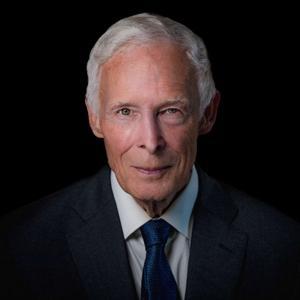


🎙️ JLS Podcast: Hosted by William Leonard Pickard
🚀 About Rick Doblin
Rick Doblin is the founder of MAPS and one of the central figures in the modern psychedelic movement. For decades, his work has focused on bringing psychedelic research out of the underground and into legitimate science, medicine, and public conversation.
❤️ The Personal Story Behind the Mission
Doblin shares how his grandmother’s severe depression became a powerful motivation for his work. After the FDA refused compassionate access to MDMA, the experience strengthened his determination to challenge policies that could prevent suffering people from accessing potentially helpful treatments.
🌍 A World of “Net Zero Trauma”
After decades focused on advancing MDMA research, Doblin describes his next great ambition: a world of “net zero trauma” by 2070. The goal is not to eliminate suffering, but to reduce the accumulation and transmission of trauma across individuals, communities, and generations.
🧠 Helping People Heal Themselves
For Doblin, psychedelic therapy is not about the therapist having all the answers. By creating a safe and supportive environment, the goal is to help people access their own capacity for healing and develop tools they can carry forward beyond the psychedelic experience itself.
🌌 Psychedelics, Aging, and the End of Life
Doblin explores the potential of psychedelics to help people confront mortality, find meaning, reconnect with loved ones, and appreciate the limited time they have left. Experiences of ego dissolution and connection to something larger may offer profound comfort as people approach the end of life.
🕊️ From Self-Actualization to Self-Transcendence
The conversation moves beyond individual healing toward the idea of self-transcendence: recognizing that we are part of something larger than ourselves. For Doblin, psychedelics may help cultivate the emotional and spiritual development needed to meet humanity’s increasingly powerful technologies.
⚖️ Beyond Prohibition
Doblin envisions a future that extends beyond the medicalization of psychedelics toward ending prohibition and creating a more psychedelic-literate society. The larger goal is not simply greater access, but finding ways for humanity to live in greater balance with one another and the planet.
🏆 Final Takeaways
A deeply personal conversation exploring psychedelics, MDMA, trauma, healing, mortality, consciousness, and the future of humanity. Rick Doblin reflects on the movement he helped bring into the mainstream while looking toward an even larger goal: using psychedelic healing to help create a more compassionate, connected, and emotionally resilient world.
✨ Support this work and unlock exclusive conversations on science, consciousness, psychedelics, and the future of civilization on Patreon: /thelastalchemist
🔗 Subscribe for more dialogues exploring psychedelic science, consciousness, human potential, healing, and the emerging frontiers of the future.
Support the show
🎙️ JLS Podcast: Hosted by William Leonard Pickard
🚀 About Peter Grinspoon
Dr. Peter Grinspoon is a primary care physician at Mass General Hospital, an instructor at Harvard Medical School, and an author and public voice on cannabis, addiction, recovery, and drug policy. His perspective combines clinical experience, personal recovery, and a lifelong connection to the evolving conversation around cannabis.
🌿 Cannabis Beyond the Hype
Cannabis is neither a miracle cure nor the menace portrayed by decades of prohibition. Grinspoon examines its genuine medical benefits alongside real risks including addiction, impairment, high-potency products, and concerns for younger users. The goal is not to be pro- or anti-cannabis, but to follow the evidence.
⚖️ The Failure of the Drug War
The conversation examines the enormous human consequences of cannabis prohibition and the millions of arrests for simple possession. Grinspoon argues for moving beyond fear-based drug policy toward an approach grounded in science, public health, and harm reduction.
🧠 Addiction from the Inside
Grinspoon speaks candidly about his own addiction to prescription opioids, losing his medical license, rebuilding his life, and eventually helping others struggling with addiction. That lived experience profoundly changed how he understands patients, recovery, compassion, and the importance of human connection.
🔄 Rethinking Recovery
Does recovery always require complete abstinence? Grinspoon advocates for a larger recovery tent that can include abstinence, moderation, medications, harm reduction, and approaches such as “California sober.” Instead of imposing a single definition of recovery, he argues for meeting people where they are.
🌌 A Family That Challenged the Consensus
Peter reflects on his father, pioneering cannabis and psychedelic advocate Dr. Lester Grinspoon, and an extraordinary childhood surrounded by thinkers and activists including Carl Sagan. Ideas once considered radical have since moved dramatically closer to the scientific mainstream.
💊 Cannabis as Medicine
From chronic pain and insomnia to anxiety and reducing reliance on more dangerous medications, cannabis can offer meaningful benefits for some patients. But Grinspoon emphasizes responsible dosing, informed decision-making, and honest conversations between physicians and patients about both benefits and risks.
👵 Cannabis and Aging
Older adults are one of the fastest-growing groups embracing cannabis. Grinspoon explores its potential for chronic pain and quality of life while emphasizing a simple rule for today’s much stronger cannabis: start low and go slow.
🏆 Final Takeaways
A candid conversation exploring cannabis, addiction, recovery, medicine, drug policy, and harm reduction. Peter Grinspoon offers a balanced perspective that rejects both fear and hype, asking what our relationship with drugs might look like if the ultimate goal were informed choice, compassion, and reducing human suffering.
✨ Support this work and unlock exclusive conversations on science, consciousness, psychedelics, and the future of civilization on Patreon: /thelastalchemist
🔗 Subscribe for more dialogues exploring medicine, consciousness, drug policy, human potential, and the emerging frontiers of science.
Support the show
🎙️ JLS Fund Podcast: Bohan Lou in conversation with William Leonard Pickard
🚀 Background on Bohan Lou: Partner at Chemistry.vc, host of the Deus Ex Machina podcast, and investor focused on the intersection of artificial intelligence, biotechnology, and frontier technologies. Known for his interdisciplinary thinking, Liu explores the future of civilization through the lenses of science, entrepreneurship, and philosophy.
🧠 The Art of Venture Capital Lou explains why early-stage investing is ultimately a study of human judgment under uncertainty. Rather than betting on business models, the conversation explores why the greatest venture investors back founders—their resilience, agency, curiosity, and ability to adapt as technology reshapes entire industries.
🤖 Artificial Intelligence & the Future of Civilization The discussion examines why Lou believes AI is not another technology bubble, but a civilizational turning point. Together they explore AGI, labor displacement, the future of work, brain-computer interfaces, and what humanity may look like as machine intelligence begins to surpass our own.
🌏 China, America & the AI Race Pickard and Lou compare the strengths of the United States and China in artificial intelligence, semiconductor development, venture capital, and scientific innovation. They discuss the geopolitical competition shaping the coming decades and what each nation can learn from the other.
🧬 Biotechnology, Longevity & Human Enhancement From AI-designed medicines to embryo selection, CRISPR, reproductive technologies, and longevity research, the conversation explores how biology is becoming an engineering discipline—and the profound ethical questions that accompany humanity's growing ability to redesign itself.
🚀 Founders, Innovation & Building the Future Lou shares what separates exceptional founders from merely intelligent people, why curiosity must be balanced with execution, and how great entrepreneurs combine vision with relentless determination to build companies capable of changing the world.
🔮 The Long View Looking toward 2040 and beyond, the two explore the Singularity, the possibility of merging with AI, existential risk, and the philosophical questions that emerge as humanity approaches unprecedented technological transformation.
🏆 Final Takeaways This wide-ranging conversation blends venture capital, artificial intelligence, biotechnology, philosophy, and the future of civilization into a thought-provoking dialogue about where humanity is headed—and how individuals can play a meaningful role in shaping that future.
✨ Support this work and unlock exclusive conversations with pioneers in AI, biotechnology, psychedelics, and frontier science on Patreon: / thelastalchemist
🔗 Stay tuned for more conversations exploring the ideas, technologies, and visionaries shaping the future of humanity.
Support the show
🎙️ JLS Fund Podcast: Kenneth Shinozuka in conversation with William Leonard Pickard**
🚀 **Background on Kenneth Shinozuka**
Stanford postdoctoral researcher studying psychedelic neuroscience, with a focus on ibogaine, traumatic brain injury, PTSD, addiction, veterans, and consciousness. His path into science began as a teenager, when he invented a wearable sensor to help care for his grandfather with Alzheimer’s.
🧠 **Ibogaine, Trauma & the Brain**
Shinozuka discusses Stanford research showing striking improvements in PTSD, depression, anxiety, cognitive function, and disability among Special Operations veterans following ibogaine treatment—and why larger controlled studies are still needed.
🌀 **The Ibogaine Experience**
Often described as a dreamlike life review, ibogaine can surface buried memories, childhood trauma, and guilt. The conversation explores why this intense confrontation with the past may be central to its therapeutic potential.
🧬 **How Ibogaine Changes the Brain**
From the default mode network and dopamine pathways to “matrix pharmacology,” Shinozuka explains what scientists are beginning to understand about ibogaine—and how much remains mysterious.
⚡ **Addiction, Ordeal & Transformation**
Pickard and Shinozuka explore why profound healing may sometimes require an ordeal. They discuss addiction, catharsis, the “long night of the soul,” and whether confronting suffering is part of what makes psychedelics transformative.
🌍 **Bwiti Tradition & Spirituality**
The discussion turns to iboga’s roots in Bwiti traditions in Gabon and what Western psychedelic medicine might learn from Indigenous approaches to ceremony, music, preparation, and integration.
🧠 **The Mystery of Consciousness**
Shinozuka explains why consciousness drew him into psychedelic neuroscience and why it remains so difficult to study. Can science measure experiences like ego death and spirituality without reducing what makes them meaningful?
⚕️ **Promise, Risk & Responsible Treatment**
Ibogaine carries serious cardiac risks and requires careful screening and medical monitoring. Shinozuka also emphasizes that it is not a panacea: some experience profound change, while others see temporary or minimal benefits.
🔬 **What Science Still Needs to Prove**
Despite promising early results, larger controlled trials are essential. Shinozuka explains what evidence would convince him ibogaine belongs in mainstream medicine—and what might show that the early enthusiasm was overstated.
🏆 **Final Takeaways**
A wide-ranging exploration of ibogaine, trauma, addiction, neuroscience, spirituality, and consciousness—and the challenge of scientifically understanding one of psychedelics’ most mysterious compounds.
✨ **Support this work and unlock exclusive conversations with pioneers in psychedelics, neuroscience, consciousness, and frontier science on Patreon:**
/ thelastalchemist
🔗 **Stay tuned for more conversations exploring the ideas, science, and people reshaping our understanding of the mind and human potential.**
Support the show
🎙️ JLS Podcast: Hosted by William Leonard Pickard
🧬 About Stephen Hsu
Stephen Hsu is a theoretical physicist, entrepreneur, and pioneer in computational genomics. A professor at Michigan State University and cofounder of Genomic Prediction, his work spans theoretical physics, artificial intelligence, machine learning, and the genetic foundations of intelligence. Hsu has become one of the leading voices exploring how AI and genomics may transform medicine, human cognition, and the future of our species.
🧠 Can Intelligence Be Predicted from DNA?
Hsu explains how advances in machine learning and genomics are making it possible to predict complex human traits from DNA. He discusses polygenic prediction, embryo screening, and the enormous datasets required to understand the genetic architecture of intelligence, while separating scientific reality from popular misconceptions.
🤖 Artificial Intelligence Meets Human Genetics
As AI models become increasingly powerful, Hsu believes they will dramatically accelerate discoveries in biology and genomics. He explores how machine learning is already reshaping genetic research, where today's AI excels, and why the next breakthroughs may come from combining massive genomic datasets with future AI architectures.
⚛️ Quantum Reality and the Nature of Intelligence
Drawing from his background in theoretical physics, Hsu discusses quantum mechanics, the Many Worlds interpretation, and why quantum computers are changing how physicists think about reality itself. The conversation explores how our understanding of intelligence may ultimately be connected to deeper questions about the universe.
🏆 Genius, Intuition, and Extraordinary Minds
What makes someone like John von Neumann fundamentally different? Hsu reflects on the nature of genius, intuitive thinking, creativity, and why the greatest breakthroughs often come from people who ask questions no one else thinks to ask. He also discusses whether exceptional intelligence is something we may one day better understand through genetics.
🚀 Superintelligence and Humanity's Future
Is artificial superintelligence inevitable? Hsu describes himself as both an accelerationist and a realist, excited by the promise of superintelligent AI while recognizing the profound risks it may pose. The discussion explores alignment, existential risk, and whether humanity can safely navigate one of the greatest technological transitions in history.
🧬 Engineering the Next Generation
The conversation turns to one of today's most controversial frontiers: embryo selection and genetic enhancement. Hsu explains where current technology stands, the ethical questions surrounding cognitive enhancement, and why many of tomorrow's medical advances may eventually become as commonplace as IVF is today.
🌍 The Future of Human Evolution
Looking a century ahead, Hsu envisions a world where artificial intelligence, gene editing, and genomic prediction may dramatically extend human lifespan, improve health, enhance cognition, and even increase prosocial behavior. Rather than replacing humanity, these technologies may fundamentally reshape what it means to be human.
🏆 Final Takeaways
From quantum physics and artificial intelligence to genomics and the future of human evolution, Stephen Hsu offers a fascinating look at some of the most important scientific questions of our time. This conversation explores not only where technology is taking us, but also the ethical choices humanity must make as we gain the power to shape our own future.
✨ Support this work and unlock exclusive conversations on science, artificial intelligence, consciousness, and the future of humanity on Patreon:
patreon.com/TheLastAlchemist
🔗 Subscribe for more dialogues exploring AI, science, philosophy, and the evolving future of being human.
Support the show
🎙️ JLS Podcast: Hosted by William Leonard Pickard
🚀 About Adrian Woolfson
Adrian Woolfson is a molecular biologist, physician, entrepreneur, and author exploring the frontier where genetics, synthetic biology, and artificial intelligence converge. His work examines one of the defining questions of our century: what happens when humanity gains the ability to design life itself?
🧬 Life Becomes a Writable Medium
For thousands of years, humanity has shaped life through selective breeding and agriculture. Today, advances in genetics are transforming biology from something we merely observe into something we can increasingly understand, engineer, and ultimately design.
🌱 Evolution Creates Its Own Designer
One of the most profound ideas explored in this conversation is the notion that evolution has produced a species capable of directing evolution itself. After billions of years of natural selection, humanity now stands at the threshold of becoming an active participant in shaping the future of life.
🤖 Artificial Intelligence and the Language of Life
As AI learns to understand language, it is also beginning to decode biology. The convergence of machine intelligence and genetic science may dramatically accelerate our ability to understand living systems, discover new therapies, and unlock entirely new biological possibilities.
🌍 Preserving Nature Through Innovation
Rather than replacing nature, emerging biological technologies may help protect it. From sustainable manufacturing and improved agriculture to environmental restoration and conservation, new tools could reduce humanity's footprint while helping preserve ecosystems for future generations.
⚖️ Innovation, Ethics, and Responsibility
Powerful technologies demand careful stewardship. As our capabilities expand, questions of governance, safety, consent, and responsibility become increasingly important. The challenge is not simply what humanity can do, but what humanity should do.
🏛️ The Sacredness of Life
Even as biology becomes increasingly understandable and programmable, Woolfson argues that life should never be reduced to a mere commodity. Scientific progress must be balanced with humility, reverence, and a deep respect for the extraordinary complexity of living systems.
🚀 A New Industrial Revolution
The fusion of artificial intelligence and synthetic biology has the potential to become one of the most transformative technological revolutions in human history. Just as previous breakthroughs reshaped civilization, these emerging tools may redefine medicine, agriculture, manufacturing, and human possibility.
🌐 Freedom, Discovery, and Human Imagination
Throughout history, progress has been driven by curiosity, creativity, and the willingness to explore new frontiers. Human imagination remains one of the most powerful forces shaping the future, continually expanding the boundaries of what is possible.
🌅 Reinventing the Sacred in an Age of Technology
As humanity acquires unprecedented abilities to understand and influence life, society will face profound philosophical questions. How do we preserve meaning, wisdom, and wonder in a world where nature itself becomes increasingly malleable?
🏆 Final Takeaways
A fascinating conversation exploring artificial intelligence, synthetic biology, evolution, ethics, and the future of life itself. Adrian Woolfson offers an optimistic yet thoughtful vision of a future where scientific discovery expands human possibility while challenging us to remain responsible stewards of the living world.
✨ Support this work and unlock exclusive conversations on science, technology, consciousness, and the future of civilization on Patreon:
/thelastalchemist
🔗 Subscribe for more dialogues exploring artificial intelligence, human potential, scientific discovery, and the emerging frontiers of the future.
Support the show
🎙️ JLS Podcast: Hosted by William Leonard Pickard
🚀 About Nick Gillespie
Nick Gillespie is one of the most influential voices in modern libertarian thought. As Editor-at-Large of Reason Magazine, author, filmmaker, and cultural commentator, he has spent decades exploring the intersection of freedom, individuality, culture, economics, and public policy. Equally comfortable discussing politics, psychedelics, technology, or personal transformation, Gillespie brings a deeply human perspective to questions of autonomy and the future of society.
🗽 Freedom, Responsibility, and Cognitive Liberty
At the heart of Gillespie’s philosophy is a belief in individual autonomy. Whether discussing politics, culture, or drug policy, he argues that human beings should have the freedom to make informed choices about their own lives, bodies, and consciousness. For Gillespie, responsibility and freedom are inseparable; genuine responsibility only exists when individuals are trusted to make meaningful choices for themselves.
🧪 Better Living Through Chemistry
Gillespie discusses his upcoming documentary, Better Living Through Chemistry, which explores humanity’s growing relationship with pharmaceuticals, psychoactive substances, and the deliberate modification of consciousness. He argues that society has already entered an age of neurochemistry, where people increasingly use substances—from coffee and cannabis to Ozempic and psychedelics—to shape mood, performance, focus, health, and identity.
🌿 The Failure of the Drug War
Drawing on decades of observation and research, Gillespie argues that prohibition has consistently failed to achieve its stated goals. Rather than eliminating drug use, prohibition often increases violence, misinformation, black markets, and human suffering. He advocates replacing fear-based narratives with open conversations grounded in education, transparency, personal responsibility, and harm reduction.
🍄 Psychedelics, Transformation, and Personal Growth
Reflecting on his own experiences with psychedelics, Gillespie describes how these substances helped dissolve rigid structures of identity, challenge old assumptions, and create space for personal transformation. He explores the historical role psychedelics played in shaping culture, technology, creativity, and even the early computing revolution, while emphasizing the importance of thoughtful and intentional use.
⚖️ Markets, Discovery, and Human Experimentation
One of Gillespie’s central themes is the idea that free societies function as discovery processes. Just as markets allow innovation to emerge through experimentation, individuals should be free to explore different paths toward meaning, well-being, and self-actualization. Progress, he argues, often comes from unexpected places, and societies flourish when people are allowed to explore rather than conform.
🧠 The Age of Designed Selves
As new compounds, peptides, therapies, and AI-driven drug discoveries emerge, Gillespie believes humanity is entering an era of increasingly personalized self-creation. Rather than seeing this as something unnatural, he views it as a continuation of a long historical trend in which individuals seek greater agency over their bodies, minds, emotions, and identities.
🌐 The Internet, Technology, and Expanding Human Possibility
Gillespie reflects on the revolutionary impact of the internet, describing it as the discovery of an entirely new social space where ideas, communities, and identities could flourish beyond traditional institutions. He sees technology as a powerful force for expanding human freedom, enabling people to connect, learn, create, and build lives that would have been unimaginable in previous generations.
🏛️ Institutions, Authority, and the Future of Freedom
Throughout the conversation, Gillespie warns against the recurring temptation to centralize authority and restrict individual choice. Whether discussing governments, cultural institutions, or medical gatekeepers, he argues that history consistently demonstrates the dangers of excessive control. The future, he believes, will be healthiest when built upon voluntary communities, open information, and trust in individuals rather than top-down management.
🌅 Optimism, Purpose, and the Human Journey
Despite acknowledging the risks associated with technological and cultural change, Gillespie remains profoundly optimistic. He believes humanity is living through one of the most extraordinary periods in history—a time when more people than ever possess the resources, freedom, and opportunity to shape meaningful lives. The challenge is not merely surviving change, but learning how to navigate abundance, choice, and possibility with wisdom.
🏆 Final Takeaways
A fascinating conversation about freedom, consciousness, personal transformation, and the future of human flourishing. Nick Gillespie offers a thoughtful and deeply optimistic vision of a world where individuals are trusted to explore, experiment, and discover who they truly are. His message is ultimately one of empowerment: a freer society is not only more prosperous—it is more creative, more compassionate, and more fully human.
✨ Support this work and unlock exclusive conversations on technology, consciousness, culture, and the future of civilization on Patreon:
/thelastalchemist
🔗 Subscribe for more dialogues exploring freedom, psychedelics, technology, philosophy, and the evolving future of being human.
Support the show
🎙️ JLS Podcast: Hosted by William Leonard Pickard
🚀 About Vint Cerf
Vint Cerf is widely recognized as one of the architects of the modern internet. As a key designer of the TCP/IP protocols that allowed computers to communicate globally, Cerf helped lay the foundation for the digital world. A former DARPA program manager and longtime leader at Google, he has spent decades thinking not only about technology itself, but about its impact on civilization, knowledge, and the future of humanity.
🌐 From the Birth of the Internet to the Age of AI
Cerf reflects on the early days of networking—from ARPANET experiments and the first commercial email systems to the explosive rise of the public internet. What began as an academic and government research tool became a planetary nervous system, reshaping communication, commerce, and culture in ways few could have predicted.
🤖 Artificial Intelligence: Powerful, Imperfect, and Already Here
When asked whether AGI exists, Cerf offers a nuanced answer: in some domains, yes. Modern AI systems can outperform humans in recall, pattern recognition, and certain specialized tasks. Yet they still hallucinate, make mistakes, and lack deeper grounding. He sees current AI not as magic consciousness, but as astonishingly capable systems that continue to evolve through specialized models and layered intelligence.
🧠 Meaning, Semantics, and How Machines “Think”
One of Cerf’s most fascinating insights centers on language models as engines of meaning. Rather than merely predicting words, these systems operate through embeddings, relationships, and semantic structures. While different from the human brain, he suggests they are processing representations of meaning in ways that are surprisingly effective—and deeply worthy of study.
⚠️ AI Agents, Risk, and the Need for Guardrails
Cerf expresses particular concern about autonomous AI agents that can act in the real world—handling finances, infrastructure, or decision-making without sufficient oversight. He emphasizes the need for audit trails, constraints, accountability, and thoughtful design before handing powerful systems the keys to human institutions.
🔬 AI and the Solving of Great Scientific Mysteries
From protein folding to medicine, physics, and chemistry, Cerf believes AI may help solve problems humans have struggled with for generations. Yet he cautions that discovery requires more than analyzing known data—it may also demand new experiments, new sensors, and theories beyond our current understanding. AI may become a partner in discovery, but not the whole story.
⚛️ Quantum Computing and the Next Frontier
Cerf discusses quantum computing with both excitement and realism. While quantum machines may revolutionize specific classes of problems, they are not universal magic boxes. Challenges like coherence, scaling qubits, and quantum networking remain immense. Still, he sees enormous potential in combining future computational tools with scientific exploration.
📱 Technology, Dependence, and Human Fragility
Despite his optimism, Cerf warns that society has become deeply dependent on digital tools. Phones, authentication systems, banking, communication, and daily logistics now rest on fragile technological layers. If those systems fail, modern life can quickly unravel. Progress brings power—but also vulnerability.
🌌 Wonder, Discovery, and the Unknown Universe
Cerf remains driven by awe. He speaks of black holes, gravitational waves, deep time, and mysteries physics has yet to solve. For him, the greatest excitement lies not in what we know, but in what we have not yet learned. Human tools—from telescopes to AI—may reveal realities still hidden from us.
🏆 Final Takeaways
A profound conversation with one of the builders of the digital age. Vint Cerf offers a rare blend of technical wisdom
Support the show
🎙️ JLS Podcast: Hosted by William Leonard Pickard
🚀 About East Forest
East Forest is a musician, composer, and guide whose work lives at the intersection of sound, meditation, and inner transformation. Known for creating immersive musical journeys used in ceremonies, concerts, and therapeutic settings, he blends ambient composition, voice, and intention to help listeners reconnect with presence, wonder, and the deeper currents of consciousness.
🌀 Music as a Space for Transformation
Rather than simply making songs, East Forest speaks of composing spaces people can enter. Through tone, rhythm, silence, and atmosphere, music becomes more than entertainment—it becomes an invitation to soften, open, and remember something essential. He describes live experiences as shared ceremonies where artist and audience co-create a more spacious state of being.
🍄 Psychedelics, Awakening, and the Inner Labyrinth
East Forest shares the powerful story of an early mushroom journey in which listening to his own music became a life-changing revelation. What began as experimentation became a profound encounter with presence, purpose, and the realization that what we seek may already be within us. He reflects on psychedelics not as the destination, but as catalysts that can help reveal the center of one’s own labyrinth.
🎹 Ceremony, Performance, and Holding Space
The conversation explores the difference between playing music and facilitating transformation. From lying-down immersive events to seated theater concerts, East Forest explains how intention, trust, and vulnerability shape the experience. He describes music as something that can guide emotional release, deepen self-awareness, and help people feel held in a rapidly distracted world.
🤖 AI Music, Creativity, and the Human Element
Turning to technology, East Forest reflects on artificial intelligence and the future of music. While acknowledging that AI may transform recorded music and generate endless content, he questions whether machines can ever replicate the lived feeling of creating. He suggests that as synthetic media expands, people may hunger even more for authentic human presence, live performance, and real-time connection.
🌄 Burnout, Nature, and Coming Home
With honesty and humility, East Forest opens up about the emotional toll of touring, constant movement, and the challenge of sustaining a giving life. He speaks of returning to the raw landscapes of Southern Utah to reset, simplify, and reconnect with what matters. Nature becomes a medicine of grounding, perspective, and renewal.
🫀 Grace, Self-Worth, and the River of Giving
One of the most intimate moments of the episode centers on receiving grace. After a triumphant performance in Berlin, East Forest found himself alone backstage overwhelmed by gratitude—and by the realization that he often struggles to fully accept the gifts life offers. Together, he and Leonard reflect on giving as one of the noblest human expressions: becoming a river that carries light to others.
🌌 The Mystery of Sound and Consciousness
The discussion moves into the origins of music itself: rhythm before language, harmony as mathematics, and sound as a bridge to dimensions beyond ordinary thought. East Forest suggests music may be one of humanity’s oldest sacred tools—a language of feeling and connection that reaches where words cannot.
🏆 Final Takeaways
A warm, searching, and deeply human conversation about music, psychedelics, creativity, burnout, grace, and what it means to live from the heart. East Forest reminds us that beneath all striving, the real work happens in the privacy of our own heart.
✨ Support this work and unlock exclusive conversations on Patreon:
/thelastalchemist
🔗 Subscribe for more dialogues exploring consciousness, music, psychedelics, techn
Support the show
🎙️ JLS Podcast: Hosted by William Leonard Pickard
🚀 About Duncan Trussell
Duncan Trussell is a comedian, podcaster, and modern-day philosopher-trickster whose work blends humor, spirituality, and existential inquiry. Through stand-up, storytelling, and his long-running podcast, he explores the strange edges of consciousness, identity, and the human condition—inviting audiences to laugh, question, and wake up all at once.
🌀 Comedy as a Gateway to Consciousness
Trussell treats comedy not just as entertainment, but as a tool for inquiry—using absurd scenarios, surreal hypotheticals, and philosophical riddles to explore ego, fear, death, and meaning. Whether imagining LSD customer support hotlines or inventing fictional religions, he reveals how humor can soften the boundaries of identity and open space for insight
🧠 Psychedelics, Ego Death, and Letting Go
Drawing from personal experience, Trussell reflects on the terror and beauty of psychedelic states—particularly the recurring fear of death that precedes surrender. He describes these experiences as invitations to release control, dissolve identity, and rediscover a deeper, interconnected nature of being.
🤖 AI, Android Love, and the Future of Humanity
The conversation expands into the rapidly evolving world of artificial intelligence, where Trussell imagines a near future of human-android relationships, AI-influenced behavior, and technological systems that subtly shape human thought. He frames AI as both a profound opportunity and a potential existential riddle—one that may redefine intimacy, identity, and society itself.
🔥 Cult Dynamics, Gurus, and the Human Need for Guidance
With humor and honesty, Trussell unpacks the psychological roots of spiritual authority—why people seek gurus, how family dynamics shape spiritual longing, and how easily power can be misused in the name of enlightenment. He reflects on the importance of discernment, autonomy, and humility on the path of inner work.
🫀 Forgiveness, Compassion, and the Human Superpower
In one of the conversation’s most intimate reflections, Trussell describes a dream of forgiving a mythical reptilian being—arriving at a realization that humanity’s greatest power may be the capacity to forgive, even in the face of harm. He points to compassion, service, and connection as the deeper lessons beneath all spiritual traditions.
🌌 Weirdness, Reality, and the Absurdity of Being Alive
From haunted comedy clubs to imaginary animated bank-robbing mushrooms, the conversation dances through the surreal textures of life—suggesting that weirdness is not something we control, but something we participate in. For Trussell, embracing the strange is part of embracing reality itself.
🏆 Final Takeaways
A playful yet profound journey through psychedelics, technology, spirituality, and the human psyche—reminding us that laughter, curiosity, and compassion may be the most reliable guides through an increasingly complex and mysterious world.
✨ Support this work and unlock exclusive conversations at the intersection of consciousness, comedy, and culture on Patreon:
/thelastalchemist
🔗 Subscribe for more dialogues exploring psychedelics, technology, spirituality, and the evolving nature of being human.
Support the show
From the publisher's feed
This channel features a range of podcasts exploring the frontiers of biotechnology, psychedelics, artificial intelligence, creativity, cognitive enhancement, and more.
We interview…
Here, you’ll encounter talented, passionate, and visionary individuals.
Join us to share in the green-growing edge of life and courageous thought, as we explore the potential futures of our species.
William Leonard Pickard