
Sign up to save your podcasts
Or

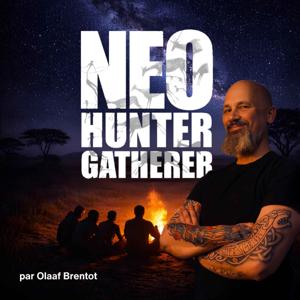

Voici le premier numéro des Questions Autour du Feu, un épisode spécial dans lequel je réponds à vos questions. Nutrition, activité physique, sommeil, liens sociaux, contact avec la nature, relations amoureuses, histoire et évolution humaine… vous pouvez poser toutes les questions sur tous les sujets qui vous intéressent, ou les problématiques qui vous préoccupent.
Vous aussi, posez vos questions sur la boîte vocale Néo Chasseur Cueilleur :
https://www.speakpipe.com/NeoChasseurCueilleur
Pour rejoindre l'écosystème Néo Chasseur Cueilleur : https://www.instagram.com/neo_chasseur_cueilleur/
Chaîne YouTube : https://www.youtube.com/@NeoChasseurCueilleur
Musique originale et création sonore par Olaaf BRENTOT
Générique d’ouverture : Burn Out Party
Générique de fin : When Bodies Speak
Sources :
· Jäger, R., Kerksick, C. M., Campbell, B. I., et al. (2017). International Society of Sports Nutrition Position Stand: protein and exercise. Journal of the International Society of Sports Nutrition, 14, 20.
· Morton, R. W., Murphy, K. T., McKellar, S. R., et al. (2018). A systematic review, meta-analysis and meta-regression of the effect of protein supplementation on resistance training-induced gains in muscle mass and strength in healthy adults. British Journal of Sports Medicine, 52(6), 376–384.
· Helms, E. R., Aragon, A. A., & Fitschen, P. J. (2014). Evidence-based recommendations for natural bodybuilding contest preparation: nutrition and supplementation. Journal of the International Society of Sports Nutrition, 11, 20.
· Hardy, K., Buckley, S., Collins, M. J., et al. (2012). Neanderthal medics? Evidence for food, cooking, and medicinal plants entrapped in dental calculus. Naturwissenschaften, 99(8), 617–626.
· Weyrich, L. S., Duchene, S., Soubrier, J., et al. (2017). Neanderthal behaviour, diet, and disease inferred from ancient DNA in dental calculus. Nature, 544, 357–361.
· Spikins, P., Needham, A., Wright, B. J. D., Dytham, C., Gatta, M., & Hitchens, G. E. (2019). Living to fight another day: The ecological and evolutionary significance of Neanderthal healthcare. Quaternary Science Reviews, 217, 98–118.
· Maloney, T. R., Dilkes-Hall, I. E., Vlok, M., et al. (2022). Surgical amputation of a limb 31,000 years ago in Borneo. Nature, 609, 547–551.
· Wager, T. D., & Atlas, L. Y. (2015). The neuroscience of placebo effects: connecting context, learning and health. Nature Reviews Neuroscience, 16, 403–418.
· Defleur, A., White, T., Valensi, P., Slimak, L., & Crégut-Bonnoure, É. (1999). Neanderthal cannibalism at Moula-Guercy, Ardèche, France. Science, 286(5437), 128–131.
· Fernández-Jalvo, Y., Díez, J. C., Cáceres, I., & Rosell, J. (1999). Human cannibalism in the Early Pleistocene of Europe: Gran Dolina, Sierra de Atapuerca, Burgos, Spain. Journal of Human Evolution, 37(3–4), 591–622.
· Rougier, H., Crevecoeur, I., Beauval, C., et al. (2016). Neandertal cannibalism and Neandertal bones used as tools in Northern Europe. Scientific Reports, 6, 29005.
· Cosnefroy, Q., Crevecoeur, I., Semal, P., et al. (2025). Highly selective cannibalism in the Late Pleistocene of Northern Europe reveals Neandertals were targeted prey. Scientific Reports, 15, 40741.
· Bello, S. M., Parfitt, S. A., & Stringer, C. B. (2011). Earliest directly-dated human skull-cups. PLOS ONE, 6(2), e17026.
· Bello, S. M., Saladié, P., Cáceres, I., Rodríguez-Hidalgo, A., & Parfitt, S. A. (2015). Upper Palaeolithic ritualistic cannibalism at Gough’s Cave: the human remains from head to toe. Journal of Human Evolution, 82, 170–189.
· Cole, J. (2017). Assessing the calorific significance of episodes of human cannibalism in the Palaeolithic. Scientific Reports, 7, 44707.
Hébergé par Acast. Visitez acast.com/privacy pour plus d'informations.
 View all episodes
 By Olaaf Brentot
Voici le premier numéro des Questions Autour du Feu, un épisode spécial dans lequel je réponds à vos questions. Nutrition, activité physique, sommeil, liens sociaux, contact avec la nature, relations amoureuses, histoire et évolution humaine… vous pouvez poser toutes les questions sur tous les sujets qui vous intéressent, ou les problématiques qui vous préoccupent.
Vous aussi, posez vos questions sur la boîte vocale Néo Chasseur Cueilleur :
https://www.speakpipe.com/NeoChasseurCueilleur
Pour rejoindre l'écosystème Néo Chasseur Cueilleur : https://www.instagram.com/neo_chasseur_cueilleur/
Chaîne YouTube : https://www.youtube.com/@NeoChasseurCueilleur
Musique originale et création sonore par Olaaf BRENTOT
Générique d’ouverture : Burn Out Party
Générique de fin : When Bodies Speak
Sources :
· Jäger, R., Kerksick, C. M., Campbell, B. I., et al. (2017). International Society of Sports Nutrition Position Stand: protein and exercise. Journal of the International Society of Sports Nutrition, 14, 20.
· Morton, R. W., Murphy, K. T., McKellar, S. R., et al. (2018). A systematic review, meta-analysis and meta-regression of the effect of protein supplementation on resistance training-induced gains in muscle mass and strength in healthy adults. British Journal of Sports Medicine, 52(6), 376–384.
· Helms, E. R., Aragon, A. A., & Fitschen, P. J. (2014). Evidence-based recommendations for natural bodybuilding contest preparation: nutrition and supplementation. Journal of the International Society of Sports Nutrition, 11, 20.
· Hardy, K., Buckley, S., Collins, M. J., et al. (2012). Neanderthal medics? Evidence for food, cooking, and medicinal plants entrapped in dental calculus. Naturwissenschaften, 99(8), 617–626.
· Weyrich, L. S., Duchene, S., Soubrier, J., et al. (2017). Neanderthal behaviour, diet, and disease inferred from ancient DNA in dental calculus. Nature, 544, 357–361.
· Spikins, P., Needham, A., Wright, B. J. D., Dytham, C., Gatta, M., & Hitchens, G. E. (2019). Living to fight another day: The ecological and evolutionary significance of Neanderthal healthcare. Quaternary Science Reviews, 217, 98–118.
· Maloney, T. R., Dilkes-Hall, I. E., Vlok, M., et al. (2022). Surgical amputation of a limb 31,000 years ago in Borneo. Nature, 609, 547–551.
· Wager, T. D., & Atlas, L. Y. (2015). The neuroscience of placebo effects: connecting context, learning and health. Nature Reviews Neuroscience, 16, 403–418.
· Defleur, A., White, T., Valensi, P., Slimak, L., & Crégut-Bonnoure, É. (1999). Neanderthal cannibalism at Moula-Guercy, Ardèche, France. Science, 286(5437), 128–131.
· Fernández-Jalvo, Y., Díez, J. C., Cáceres, I., & Rosell, J. (1999). Human cannibalism in the Early Pleistocene of Europe: Gran Dolina, Sierra de Atapuerca, Burgos, Spain. Journal of Human Evolution, 37(3–4), 591–622.
· Rougier, H., Crevecoeur, I., Beauval, C., et al. (2016). Neandertal cannibalism and Neandertal bones used as tools in Northern Europe. Scientific Reports, 6, 29005.
· Cosnefroy, Q., Crevecoeur, I., Semal, P., et al. (2025). Highly selective cannibalism in the Late Pleistocene of Northern Europe reveals Neandertals were targeted prey. Scientific Reports, 15, 40741.
· Bello, S. M., Parfitt, S. A., & Stringer, C. B. (2011). Earliest directly-dated human skull-cups. PLOS ONE, 6(2), e17026.
· Bello, S. M., Saladié, P., Cáceres, I., Rodríguez-Hidalgo, A., & Parfitt, S. A. (2015). Upper Palaeolithic ritualistic cannibalism at Gough’s Cave: the human remains from head to toe. Journal of Human Evolution, 82, 170–189.
· Cole, J. (2017). Assessing the calorific significance of episodes of human cannibalism in the Palaeolithic. Scientific Reports, 7, 44707.
Hébergé par Acast. Visitez acast.com/privacy pour plus d'informations.